




Customers return to restaurants when burgers taste the same every single visit. Inconsistent flavors confuse people and make them try other dining options instead. Burger flavor control requires careful attention to ingredients and cooking methods daily. Small changes in preparation create big differences that customers notice right away. Restaurants need systems that ensure every burger meets the same quality standards. Training staff properly prevents variations that happen between different shifts and workers. Consistent taste builds loyal customers who know what to expect always.
Why Does Meat Quality Affect Flavor Consistency So Much?
Different beef suppliers provide meat with varying fat content and taste. Fat percentage changes how juicy and flavorful each burger patty becomes. Fresh ground beef tastes completely different from frozen patties after cooking. Restaurants should stick with one trusted supplier for reliable meat quality. Changing suppliers based on price alone creates flavor variations customers notice. Ground beef should arrive fresh and get used within two days. Testing meat from different batches helps catch quality problems before cooking.
How Does Precise Seasoning Create Reliable Taste Every Time?
Eyeballing salt and pepper leads to different flavors with each batch. Measured seasoning ensures every patty gets the exact same amount always. Pre mixed spice blends eliminate guesswork during busy lunch and dinner rushes. Season meat right before cooking instead of hours ahead of time. Early seasoning draws out moisture that makes burgers dry and tough. Too much salt overpowers the beef flavor that customers want to taste. Consistent measurements produce the reliable taste that keeps people coming back.
What Makes Cooking Temperature Critical for Flavor Development?
Grills set too hot burn the outside before the insides cook through. Low temperatures make burgers steam instead of getting that grilled flavor. Medium high heat between 375 and 400 degrees works best overall. Thermometers help cooks verify grill temperature before starting each cooking session. Temperature affects how much moisture stays inside the patty during cooking. Consistent heat creates the brown crust that adds flavor to burgers. Checking grill temperature hourly prevents variations between morning and evening service.
Why Should Restaurants Standardize Patty Size and Thickness Always?
Thick patties need longer cooking time than thin ones do today. Different sizes mean some burgers finish faster and others need more time. Uniform patties ensure predictable cooking times for every single order placed. Using a scale or press creates identical portions that cook evenly. Hand formed patties vary in weight and shape between different workers. Standardized sizes also control food costs by preventing waste and overuse. Consistent portions make burger flavor control much easier for kitchen staff.
How Does Proper Topping Storage Preserve Ingredient Freshness Daily?
Wilted lettuce and brown tomatoes ruin the taste of perfect burgers. Fresh vegetables need refrigeration at correct temperatures between uses throughout shifts. Sliced tomatoes release water that makes them mushy after several hours. Cut vegetables right before peak service hours to maintain crisp texture. Cheese slices left out too long develop off flavors and textures. Condiments sitting in heat lose flavor intensity and may spoil faster. Fresh toppings complete the burger experience customers expect every single time.
What Role Does Cooking Time Play in Achieving Target Doneness?
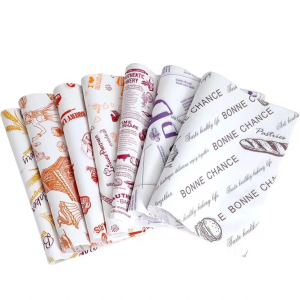
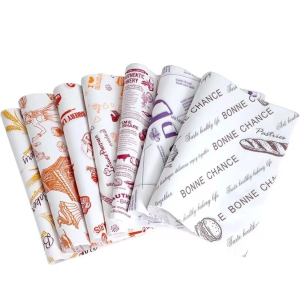
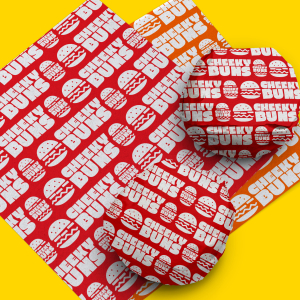
Overcooked burgers turn dry and lose the juicy flavor people want. Undercooked patties present safety risks that health departments take seriously always. Timers help cooks track multiple burgers cooking at the same time. Medium burgers need about four minutes per side on proper heat. Pressing down on patties squeezes out juice that carries flavor away. Custom burger wrapping paper helps keep finished burgers at ideal temperatures. Consistent timing produces burgers that match customer expectations for doneness levels.
Why Does Bun Selection Impact Overall Burger Taste Experience?
Cheap buns fall apart and become soggy from burger juices quickly. Quality buns should be soft enough to bite through easily. Toasted buns add texture but need consistent toasting time for uniformity. Stale buns taste like cardboard and overpower good burger flavors completely. Bun size should match patty size so proportions stay balanced throughout. WaxPapersHub provides solutions that help maintain burn quality during busy periods. The right bun enhances burger flavor instead of distracting from it.
How Can Staff Training Ensure Consistent Preparation Methods Always?
New workers may cook burgers differently than experienced staff members do. Written procedures eliminate confusion about proper cooking and assembly steps today. Regular practice helps workers develop muscle memory for consistent portion sizes. Managers should observe cooking during shifts to catch problems before service. Training videos show the correct way to handle and prepare ingredients. Many restaurants in Canada now use checklists to verify burger quality. Trained staff understand how their actions affect burger flavor control directly.
Why Does Wrapping Matter for Maintaining Flavor Until Consumption?
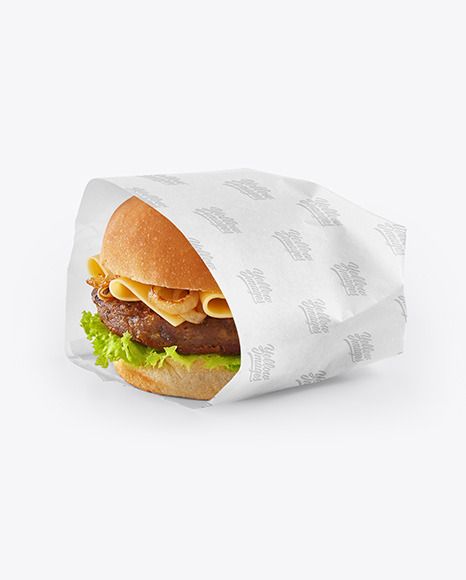
Burgers sitting in steam lose their crispy edges and become mushy. Vented wrapping lets moisture escape while keeping burgers reasonably hot inside. Food paper absorbs excess grease without drying out the entire burger. Tight wrapping traps heat but also creates soggy buns that disappoint. Quick service from kitchen to customer preserves the intended taste perfectly. Takeout orders need special attention to wrapping that protects flavor during. Smart wrapping choices extend the time window for enjoying burgers properly.
Conclusion
Burger flavor control starts with selecting quality ingredients from reliable suppliers. Precise measurements eliminate guesswork that causes taste variations between different batches. Proper cooking temperatures and times produce consistent results during every shift. Standardized patty sizes ensure predictable cooking and cost management throughout operations. Fresh toppings and quality buns complete the burger experience customers expect. Staff training creates consistency across all workers and service periods daily. Smart wrapping protects flavor from kitchen to table or customer homes. Restaurants that master these details build reputations for reliable quality always.