



Snacks represent a growing part of restaurant sales across the country today. Customers expect quick bites served in clean and sanitary ways always. Dirty serving methods spread germs that make people sick after eating snacks. Clean snack serving protects both customer health and restaurant reputation from damage. Simple procedures prevent contamination during preparation and delivery to tables or counters. Restaurants that prioritize cleanliness see better reviews and more repeat business. Getting snack service right requires attention to details that many places overlook.
Why Does Hand Hygiene Matter Most in Snack Preparation?
Workers touch multiple snack items while assembling orders for waiting customers. Unwashed hands transfer bacteria from previous tasks to ready snacks quickly. Gloves provide a barrier but workers must change them between tasks. Hand washing between different food types prevents cross contamination problems completely. Snacks like chips and pretzels go straight to your mouth without cooking. Customers watch how staff handle snacks while waiting at service counters. Clean hands show respect for customer health and build trust daily.
How Does Proper Storage Prevent Snack Contamination Before Service?
Open snack bags attract dust and insects that contaminate products overnight. Sealed storage keeps snacks fresh and protected from airborne particles always. Separate areas for different snacks prevent flavor transfer between sweet items. Raised shelving keeps snacks away from floor dirt and cleaning water. Temperature control matters for items like cheese sticks and yogurt dips. Date labeling helps workers rotate stock and discard expired items promptly. Good storage systems make clean snack serving much easier for staff.
What Makes Individual Portioning Critical for Hygiene Standards?
Shared bowls let multiple hands touch the same snacks throughout shifts. Individual servings eliminate contact between customers and remaining product batches entirely. Pre portioned bags reduce handling time and maintain product freshness longer. Scoops used for bulk items need sanitizing after every single use. Workers should never touch snacks directly with bare hands during portioning. Single serve options cost more but prevent waste from contaminated batches. Individual portions demonstrate commitment to customer safety and food quality.
Why Should Restaurants Use Dedicated Tools for Each Snack?
Using the same tongs for nuts and cookies causes allergy problems. Dedicated tools prevent cross contamination between different snack types served daily. Color coded utensils help workers remember which tool goes with which. Tools always need washing in hot soapy water between service shifts. Storing tools in a sanitizer solution keeps them ready for safe use. Separate tools show customers you take food safety seriously during operations. This practice protects people with severe allergies from dangerous exposure risks.
How Does Display Case Cleanliness Impact Customer Confidence Levels?
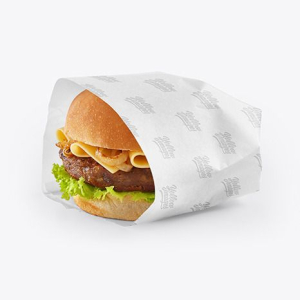
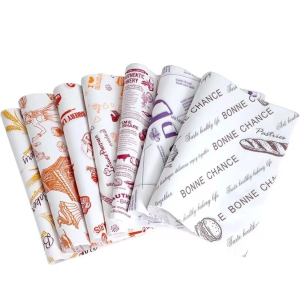
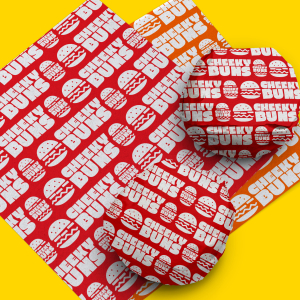
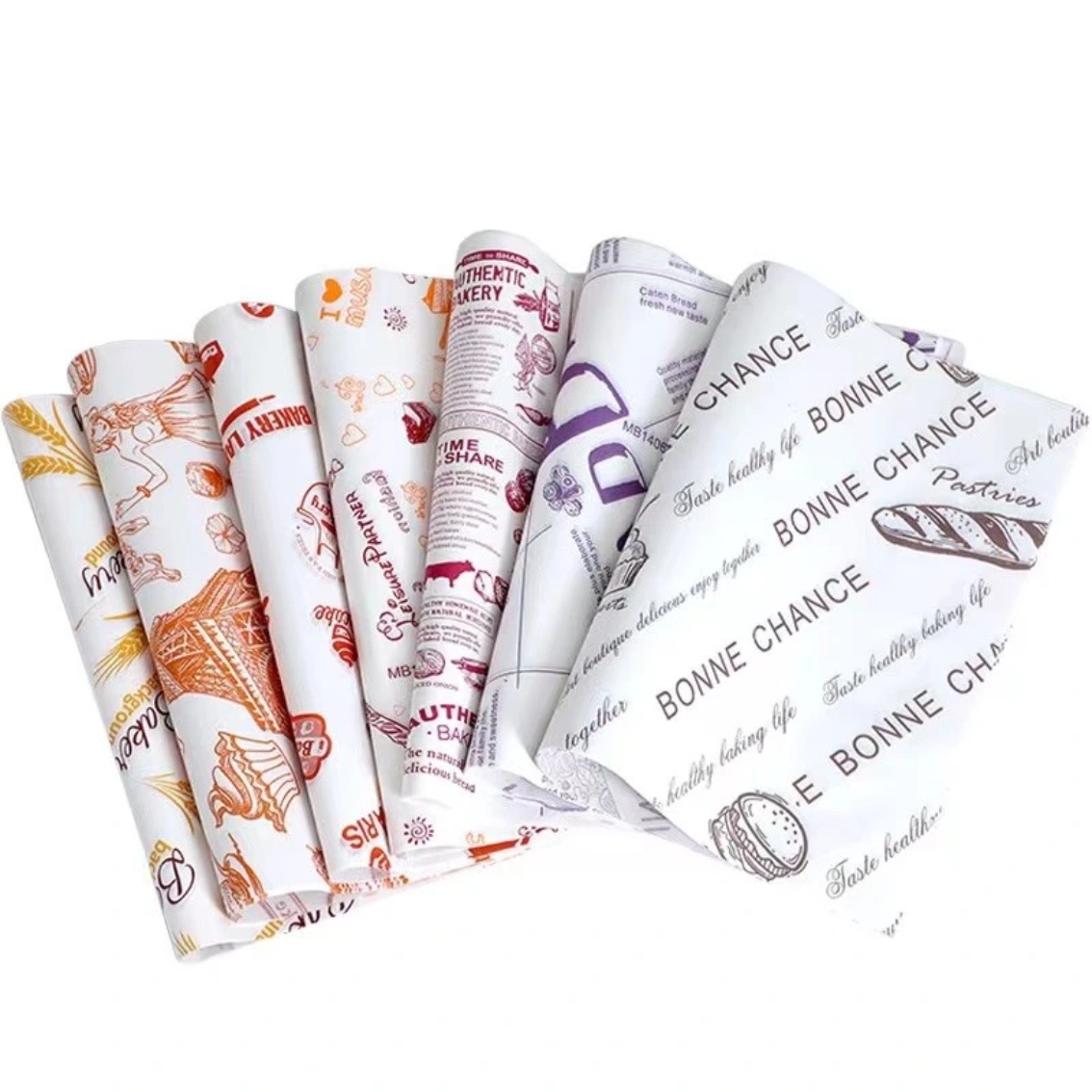
Smudged glass and crumbs inside cases make snacks look dirty immediately. Daily cleaning prevents buildup that attracts bugs and creates bad odors. Sneeze guards protect snacks from customer coughs and breathing during selection. Temperature controlled cases keep perishable snacks at safe levels all day. Regularly wiping surfaces shows active care for cleanliness standards throughout shifts. Branded wax papers for food wrapping keep display items separated and fresh. Clean displays make customers comfortable choosing and eating your snack offerings.
What Role Does Proper Serving Vessel Selection Play Today?
Reusable plates need proper washing at high temperatures between different customers. Paper products eliminate cross contamination risks from inadequate washing procedures completely. Baskets lined with clean paper create barriers between food and surfaces. Plates with raised edges contain crumbs better than flat serving options. WaxPapersHub provides solutions that help maintain sanitary serving standards throughout service. Right vessels make eating easier and reduce mess on tables afterward. Smart choices in serving materials support clean snack serving goals effectively.
Why Does Quick Service Time Matter for Snack Safety?
Snacks sitting exposed collect dust and lose freshness within just minutes. Fast service from prep area to customer reduces contamination exposure time. Covered holding areas protect snacks waiting for pickup or delivery orders. Workers should prepare snacks only after receiving orders when possible today. Long wait times increase chances of accidental contamination during busy periods. Many restaurants in Canada now use timers to track snack freshness. Speed combined with care creates the best customer experience every time.
How Can Quality Materials Maintain Standards During Peak Hours?
Cheap napkins fall apart and fail to keep hands clean properly. Food paper absorbs grease and prevents mess on tables between customer turns. Sturdy serving materials handle heavier snacks without breaking or leaking through. Good quality supplies show commitment to maintaining high cleanliness standards always. Disposable items eliminate risks from improperly washed reusable products during rushes. Investing in proper materials makes staff jobs easier during stressful times. Quality supplies directly support efforts to provide clean snack serving consistently.
Why Does Staff Training Create Better Hygiene Compliance Rates?
New workers may not understand proper hand washing and tool sanitizing. Clear training explains how germs spread and why procedures matter greatly. Regular refresher courses keep hygiene knowledge current for entire teams working. Workers who understand risks take cleaning procedures more seriously than others. Managers should test knowledge monthly to identify gaps needing extra attention. Trained staff catch problems before they reach customers at service counters. Consistent training builds a culture where clean snack serving becomes automatic.
Conclusion
Clean snack serving starts with proper hand hygiene before touching any food. Smart storage protects snacks from contamination before they reach customer plates. Individual portions eliminate shared contact that spreads germs between different people. Dedicated tools prevent cross contamination and protect customers with serious allergies. Clean display cases and quick service reduce exposure to airborne particles. Quality serving materials and wrapping maintain standards during all service hours. Staff training ensures everyone understands their role in keeping snacks safe. Restaurants that focus on these details earn trust and loyal customers.