



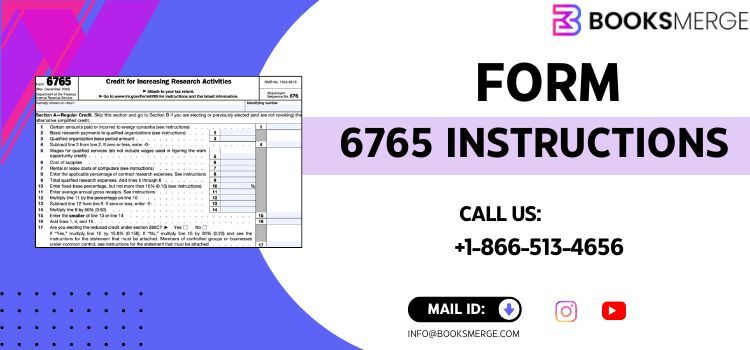
Form 6765 Instructions explain how to calculate and claim the federal R&D tax credit, choose between regular and ASC methods, and, if eligible, elect a payroll tax offset. Call +1-866-513-4656.
Table of contents
Why Form 6765 matters
If your company builds new products, improves processes, or develops software, the research tax credit can reduce taxes and improve cash flow. Form 6765 Instructions is the official way to compute and claim that credit with the IRS. Use it to figure the credit, elect the reduced credit under section 280C, and, when eligible, make the payroll tax election.
Quick snapshot of what Form 6765 does
Form 6765 Instructions walk you through:
-
Claiming the regular research credit, or
-
Electing the Alternative Simplified Credit (ASC), and
-
Electing the payroll tax credit for qualified small businesses.
The IRS publishes detailed instructions and the form itself; read both carefully before filing.
Who qualifies for the R&D tax credit
To qualify, your activities must meet the four-part test used by the IRS:
-
The activity must have a permitted purpose (new or improved function, performance, reliability, or quality).
-
It must involve experimentation to resolve uncertainty.
-
It must rely on a process of experimentation.
-
The activity must be technological in nature, based on hard sciences.
If your projects meet these, and you have qualifying expenditures, you likely qualify for the credit. The IRS audit techniques guide describes these rules in detail.
What are QREs - Qualified Research Expenses
QREs are the backbone of the credit. They typically include:
-
Wages for employees performing qualified services,
-
Supplies consumed in research, and
-
Contract research paid to third parties (subject to limitations).
Keep tight payroll records, project time logs, invoices, and supply receipts. The IRS defines QREs and treatment of in-house vs contract research in its guidance.
Regular method vs Alternative Simplified Credit (ASC)
Form 6765 lets you compute the credit two ways:
-
Regular credit (traditional method) uses a complex base-period percentage that compares current-year QREs to a fixed lookback period.
-
ASC (Alternative Simplified Credit) is simpler: it generally equals 14% of QREs over 50% of the average QREs for the prior three years, with special rules when prior years have no QREs. You may calculate both methods to see which gives a larger credit, but once you elect ASC it applies forward.
How to calculate ASC vs regular method - simple walkthrough
A concise walkthrough:
-
Gather QRE totals for the current year and the prior three years.
-
Regular method: compute the fixed-base percentage and multiply by the base amount - this method often benefits companies with rising historical spending.
-
ASC: compute 50% of the average QREs for the prior three years. Subtract that from current-year QREs, then multiply the excess by 14%.
-
Compare the two credits and pick the higher (unless ASC election rules limit your choice). The Form 6765 Instructions include worksheets and line-by-line examples to make this mechanical.
Documents required when filing Form 6765
Collect and maintain:
-
Payroll records and timesheets showing employee time on qualifying projects,
-
Vendor invoices for supplies and contract research,
-
Project descriptions and technical documentation that show experimentation,
-
Accounting support tying QREs to general ledgers, and
-
Prior-year QRE summaries used for base calculations.
Good documentation reduces audit risk. The IRS and professional advisories emphasize careful substantiation.
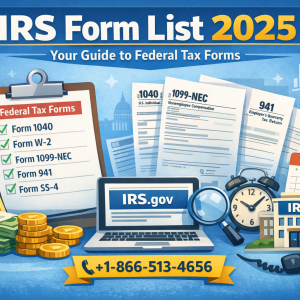
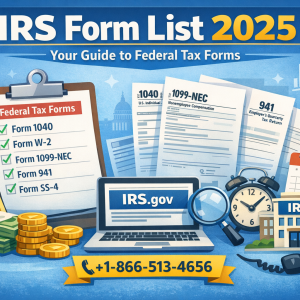
Quick Tip: Complete guide to all IRS form list for 2025, helping you quickly find, understand, and file the right tax documents for your business or personal needs.
Can startups use payroll offset? Practical notes
Yes, qualified small businesses (QSBs) can elect to apply up to a specified amount of their research credit against the employer portion of Social Security payroll tax in lieu of an immediate income tax offset. The election is made on Form 6765 and is an annual election. Check the current limit and eligibility rules before applying. For many startups, this election turns an otherwise unusable credit into cash flow relief.
What changed in 2025 - top updates to know
Tax guidance and reporting for the R&D credit evolved in 2025. Key changes include:
-
The IRS updated the Form 6765 Instructions (Jan 2025 revision), adding clarifications on QREs and group reporting.
-
Section G reporting requirements were made optional for tax year 2025 while the IRS gathers feedback. This gives filers short-term relief for newer reporting items.
-
Industry commentary advises stronger documentation and disclosure, so expect more scrutiny and a push for clearer substantiation. Plan your records accordingly.
Step-by-step filing tips and common pitfalls
-
Start early: collect QRE support during the year, not at tax time.
-
Use the worksheets in the instructions; they map to Form 6765 lines.
-
Compare both methods: compute both the regular method and ASC when eligible.
-
Document the experiment: short technical descriptions often win audits.
-
Be cautious with contract research: only certain amounts qualify and special rules apply.
-
If you are a startup, evaluate the payroll tax election: it can be transformational for cash-poor companies.
BooksMerge insight: At BooksMerge, we help clients prepare defensible Form 6765 support and choose the right election while balancing audit risk and cash flow. For help, reach our expert team at +1-866-513-4656.
For further reading on small business financial practices and how the R&D credit interacts with cash planning, see our post on small business financial literacy.
Conclusion
Form 6765 offers real tax value when you plan, document, and compute corre
1099-misc vs 1099-nec
ctly. Use the IRS instructions and trusted guidance, pick the best calculation method, and if you qualify, consider the payroll election to unlock credits as cash flow. Keep clear records, and if in doubt, consult a specialist.
FAQ
What is Form 6765 used for?
Form 6765 is used to compute and claim the federal credit for increasing research activities and to make the payroll tax election for qualified small businesses.
Who qualifies for the R&D tax credit?
Companies performing qualified research that meets the IRS four-part test and that incur QREs qualify. Many industries qualify, including software, manufacturing, and life sciences.
What are QREs?
QREs are Qualified Research Expenses such as wages for qualified services, supplies used in research, and certain contract research payments. Keep payroll and invoice records.
How to calculate ASC vs regular method?
ASC uses a 14% rate on the excess of current QREs over 50% of the prior three-year average QREs. The regular method compares current QREs to a fixed-base percentage based on historical spending. Compute both when possible.
What documents are required?
Payroll records, timesheets, supplier invoices, contractor agreements, technical project notes, and accounting tie-outs that connect QREs to your books. The IRS expects clear substantiation.
Can startups use payroll offset?
Yes. Qualified small businesses may elect to apply the credit against employer Social Security tax up to the applicable limit. This election is made on Form 6765. Verify eligibility rules and limits for the tax year.
What changed in 2025?
The IRS updated Form 6765 Instructions in January 2025 with clarifications on QREs and group reporting, and made Section G optional for tax year 2025 as it gathers feedback. Expect emphasis on stronger documentation.
Read Also: 1099-misc vs 1099-nec