

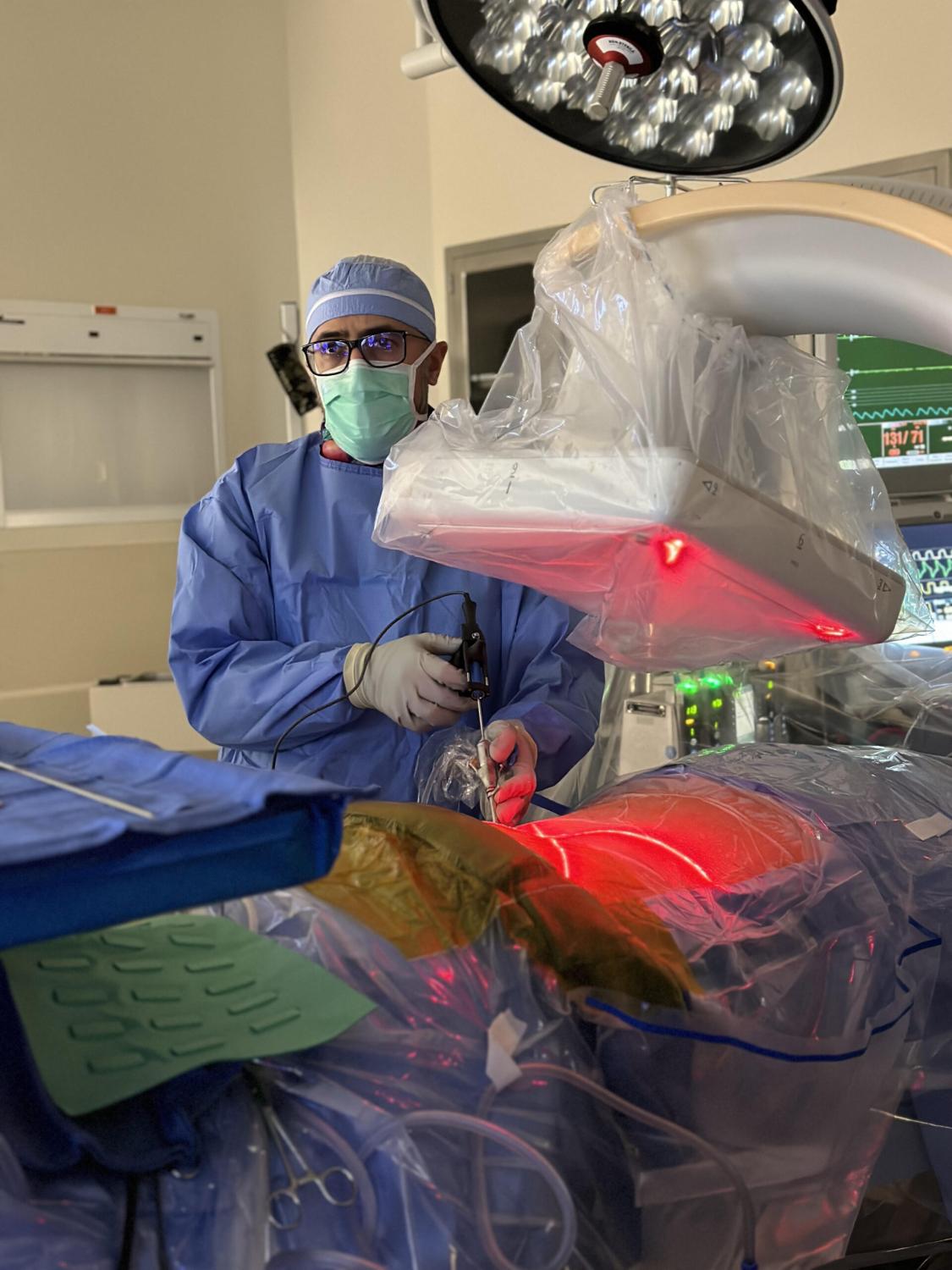
Imagine grappling with a condition that twists your spine, distorts your posture, and severs your ability to move freely—a daily battle with invisible chains of pain and physical limitation. For millions, this is the reality of scoliosis, a complex condition marked by abnormal spinal curvature that can lead to chronic discomfort, respiratory complications, and profound impacts on self-esteem and quality of life. While traditional treatments like braces or spinal fusion surgery offer some relief, they often come with trade-offs: limited mobility, lengthy recovery times, or irreversible structural changes. What if a solution existed that could halt the progression of scoliosis while preserving spinal flexibility and reducing the invasiveness of correction? This question lies at the heart of scoliosis tethering surgery, an innovative approach challenging the status quo of spinal care. But beneath its promise lies a critical problem: the delicate balance between correcting deformity and avoiding unintended consequences.
