

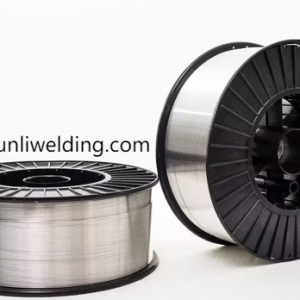
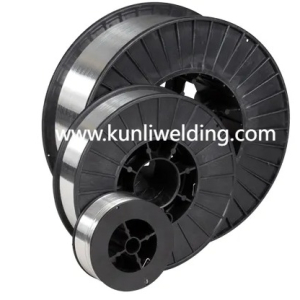

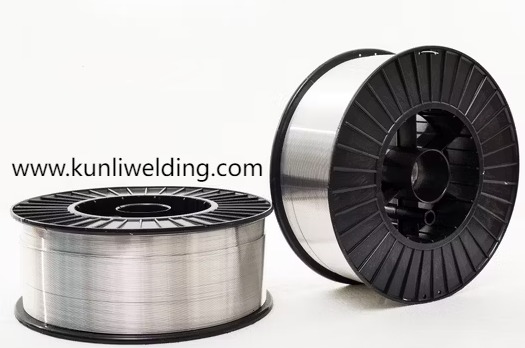
Welding consumables represent significant investments for fabrication operations, and maintaining material quality from purchase through consumption directly impacts both weld integrity and cost efficiency. Proper storage practices become particularly important for aluminum filler materials that react with atmospheric elements in ways that can degrade performance characteristics. Aluminum Welding Wire ER5183 requires specific environmental controls and handling protocols to preserve the surface condition and mechanical properties that determine successful welding outcomes and joint quality.
Humidity control stands as the primary environmental factor affecting aluminum wire storage. Moisture promotes oxide formation on wire surfaces, creating contamination that transfers into weld pools during the joining process. These oxides appear as inclusions within solidified metal, compromising mechanical strength and creating porosity that weakens joints. Climate controlled storage areas maintaining moderate humidity levels prevent excessive oxidation while avoiding the condensation that occurs when wire moves between temperature zones. Packaging materials provide the first line of defense against moisture infiltration, making container integrity essential. Damaged boxes, torn bags, or improperly sealed packaging allow atmospheric moisture access that degrades wire surfaces even within climate controlled facilities.
Temperature stability matters beyond simple humidity interaction. Thermal cycling causes condensation formation when warm, moisture laden air contacts cooler wire surfaces. This condensation accelerates surface oxidation and can introduce water vapor that becomes trapped in packaging. Storage areas maintaining consistent temperatures eliminate the thermal gradients that drive condensation formation. Placing wire inventory away from exterior walls, overhead doors, and uninsulated roof areas minimizes exposure to temperature fluctuations that occur at building envelope boundaries. Avoiding storage near heat sources like welding equipment, furnaces, or direct sunlight prevents localized temperature elevation that could alter wire properties or packaging integrity.
Packaging condition monitoring helps identify potential storage problems before they affect wire quality. Regular visual inspections detect packaging damage from handling accidents, pest intrusion, or environmental degradation. Replacing compromised packaging immediately prevents ongoing exposure to atmospheric contaminants. Many manufacturers vacuum seal wire or include desiccant packages that absorb residual moisture within sealed containers. These protective measures lose effectiveness once packaging opens, making prompt resealing critical after removing partial quantities. Dedicating specific containers for opened wire and minimizing air space within resealed packages reduces atmospheric exposure between usage periods.
Physical protection from mechanical damage preserves wire dimensional consistency and surface condition. Dropping spools, crushing boxes under excessive stacking weight, or dragging packages across rough surfaces can deform wire or damage surface finishes. Designated storage racks designed for spool dimensions prevent crushing while keeping materials organized for efficient inventory rotation. First in, first out inventory management ensures older stock gets consumed before newer purchases, preventing indefinite storage that increases contamination risk regardless of environmental controls.
Contamination prevention extends beyond atmospheric exposure to include protection from foreign materials within the storage environment. Concrete dust, metal particles, oil vapors, and chemical fumes present in many fabrication facilities can deposit onto wire surfaces or infiltrate packaging. Storing welding consumables separately from grinding operations, paint booths, and machining areas reduces cross contamination risk. Enclosed cabinets provide additional protection in facilities where complete environmental isolation proves impractical due to space or operational constraints.
Chemical exposure poses specific risks in facilities handling solvents, acids, or other reactive substances. Vapor infiltration into wire packaging can leave residues that interfere with welding or introduce contaminants into finished joints. Maintaining physical separation between welding consumables and chemical storage areas prevents exposure scenarios that compromise material quality.
Inventory documentation tracking purchase dates and storage duration helps identify wire approaching end of useful storage life before quality degradation occurs. While aluminum wire does not expire in the traditional sense, prolonged storage increases contamination risk despite proper environmental controls.
Systematic storage practices combining environmental control with proper handling procedures protect wire quality throughout its residence within fabrication facilities. Material storage recommendations and quality aluminum welding wire are available at www.kunliwelding.com to support fabrication operations maintaining consumable integrity.