
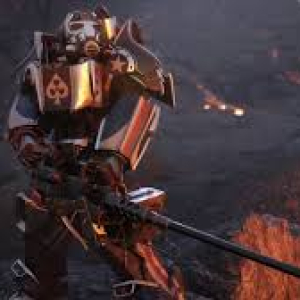

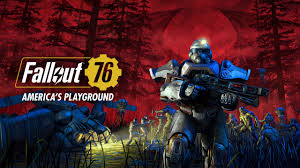
Fallout 76 stands as one of the most distinctive entries in the Fallout franchise, not because it abandons the series’ roots, but because it reinterprets them through a shared-world design. Instead of telling a story centered on a single hero, the game places players into a vast wasteland where many survivors emerge at the same time. This shift changes the tone of the experience, turning survival into a collective challenge shaped by human interaction as much as by hostile creatures and harsh environments.
Set in the ruins of Appalachia, the world feels both familiar and refreshing. The landscape is rich with forests, mountains, rivers, and abandoned towns, offering a sense of scale and variety rarely seen in earlier titles. Nature has begun reclaiming the land, creating a striking contrast between overgrown beauty and the remnants of pre-war technology. This environment tells stories without relying solely on dialogue, allowing players to uncover the past through exploration and observation.
Survival mechanics form the backbone of the gameplay. Players must constantly manage resources such as food, water, weapons, and armor. Equipment degradation and limited supplies encourage careful planning, making even routine encounters feel tense. These systems push players to think strategically, rewarding preparation and awareness rather than reckless action. Over time, surviving becomes less about raw strength and more about understanding the world and its dangers.
One of the defining elements of Fallout 76 is its multiplayer interaction. Encountering other players adds unpredictability and depth to the wasteland. Some encounters lead to cooperation, while others create moments of caution or rivalry. Public events draw groups together to complete large-scale objectives, fostering teamwork and shared accomplishment. These moments help transform the world into a living space shaped by the actions of its inhabitants rather than a static backdrop.
Character progression allows for flexibility and personalization. Players can develop builds that suit different playstyles, whether focusing on combat, exploration, support, or crafting. This freedom encourages experimentation and long-term engagement. Progress feels earned through experience and adaptation, reflecting the idea that survival in a broken world requires constant learning and adjustment.
Base-building reinforces the theme of rebuilding civilization. Personal camps function as shelters, crafting hubs, and expressions of creativity. These camps dot the landscape, serving as visible signs that humanity is slowly reclaiming the wasteland. They also provide opportunities for social interaction, as players visit each other’s camps to trade, rest, or simply explore different designs.
Fallout 76 Items has continued to evolve, expanding its systems and narrative depth. Ongoing updates have refined its mechanics and strengthened its identity as a living world. What began as an experiment has grown into a more complete and engaging experience, shaped by both developers and players alike.
Ultimately, Fallout 76 offers a vision of the apocalypse that emphasizes resilience through connection. By blending exploration, survival, and shared experience, it presents a wasteland where the future is not rebuilt by one hero, but by many survivors learning to endure together.