



For decades, collectors were told one thing mattered above all else: rarity.
Today, that belief is being challenged — and in many cases, replaced.
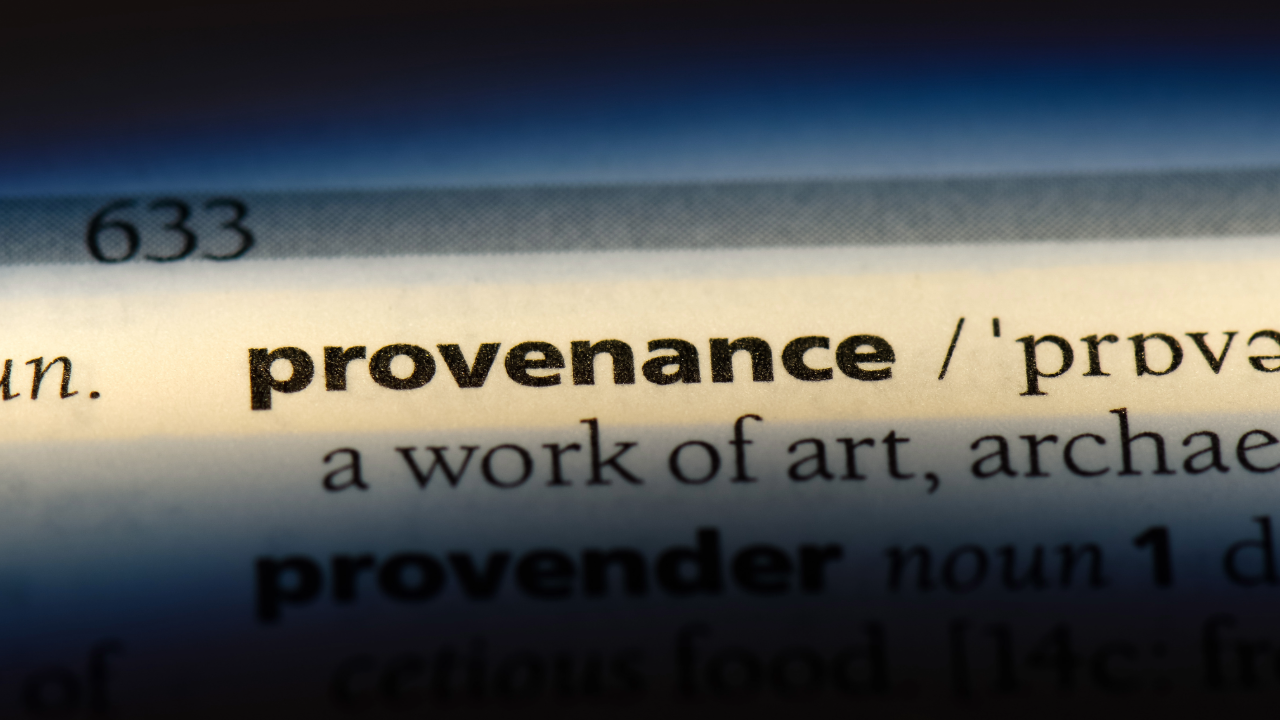
In a global collecting market flooded with replicas, manipulated listings, and unverifiable items, provenance has become the true measure of value. Not hype. Not trends. Not even condition alone.
Ownership history — who owned it, when, how, and why — is fast becoming the most trusted currency in modern collecting.
🔍 The Authenticity Crisis No One Can Ignore
As collectibles have moved online, the market has expanded — but so have its risks.
Collectors now face:
- Fake or altered items presented as originals
- Listings with no ownership history
- “Too good to be true” deals
- Items separated from their original context
- Digital listings with zero long-term traceability
Even experienced collectors are being caught off guard.
Major auction houses like Christie’s and Sotheby’s have publicly emphasized that provenance is no longer optional — it’s essential for trust, valuation, and legitimacy.
🧠 Why Ownership History Matters More Than Hype
Hype fades. Provenance endures.
A collectible with clear, documented ownership:
- Commands higher trust
- Holds value during market corrections
- Is easier to insure
- Is easier to resell
- Carries historical context
Two identical items can exist — but the one with a verifiable story will always win.
Collectors aren’t just buying objects anymore.
They’re buying documented history.
⚠️ The Hidden Risks of Undocumented Collectibles
Undocumented items carry silent but serious risks:
- Disputes over authenticity
- Difficulty proving ownership
- Lower resale confidence
- Reduced buyer pools
- Insurance complications
- Legal uncertainty in cross-border sales
In many cases, collectors only discover these issues when it’s too late — during resale, inheritance, or appraisal.
Without documentation, ownership becomes a claim instead of a fact.
🛡️ Provenance as Long-Term Protection
Provenance isn’t about prestige — it’s about protection.
A documented collectible becomes:
- Traceable over time
- Verifiable without the seller present
- Resistant to fraud claims
- Future-proof against market skepticism
In an era where digital records outlast paper certificates, collectors are shifting toward living provenance — records that evolve with the item itself.
🧩 How MPC Supports Provenance-Driven Collecting
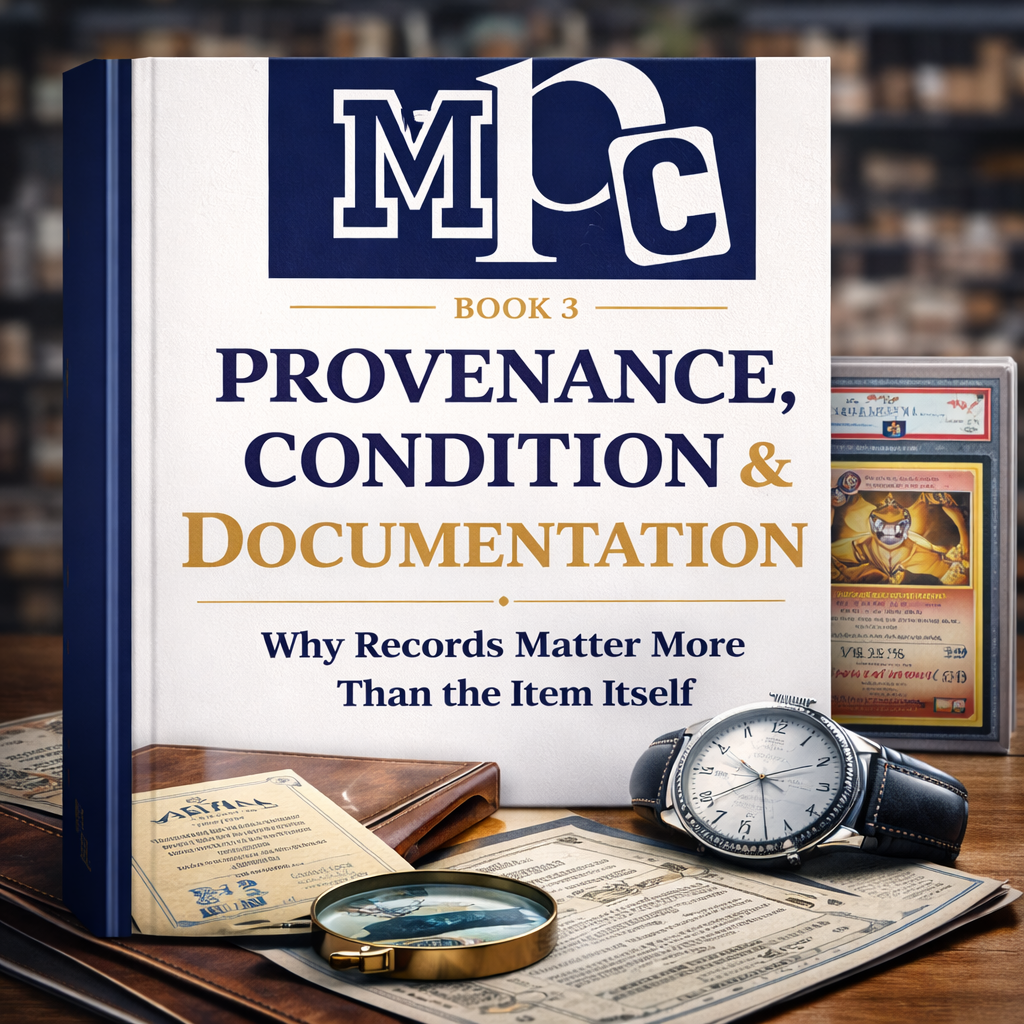
This shift is exactly why My Premium Collection (MPC) was built with provenance at its core.
MPC doesn’t just help collectors list items — it helps them prove and preserve their story.
🔹 MPC Provenance Features Include:
- Provenance notes & documentation
Store acquisition details, certificates, context, and historical information in one secure place.
- Image history & ownership records
Maintain visual timelines that show condition, authenticity markers, and evolution over time.
- Secure collectible profiles
Each item has its own structured record — not just a photo and a title.
These features transform collectibles from static possessions into verifiable assets.
💡 Why MPC Matters in the Modern Market
MPC understands a fundamental truth of today’s collecting world:
Value is no longer just what something is — it’s what can be proven about it.
By enabling collectors to document ownership, history, and context, MPC:
- Reduces fraud risk
- Increases long-term value
- Strengthens resale confidence
- Preserves collectible legacy
MPC helps collectors prove ownership and history — not just claim it.
🔮 The Future of Collecting Is Documented
As markets mature, trust replaces speculation.
As collectors become more informed, proof replaces promises.
Provenance isn’t a trend — it’s the foundation of the next generation of collecting.
And platforms like MPC are ensuring that every collectible has more than a price tag —
it has a story that can be trusted.