




Collecting has never stood still. What people choose to collect—and why—has always reflected the culture, technology, and values of the time. From carefully curated stamp albums to climate-controlled sneaker rooms, collecting categories evolve alongside society itself.
This evolution doesn’t mean traditional collecting is disappearing. Instead, it shows how new generations reinterpret what is worth preserving, documenting, and celebrating.
🔍 Traditional vs. Modern Collectibles: A False Divide
For decades, collecting was defined by categories rooted in history, scarcity, and craftsmanship:
- Stamps
- Coins
- Antiques
- Fine art
- Historical documents
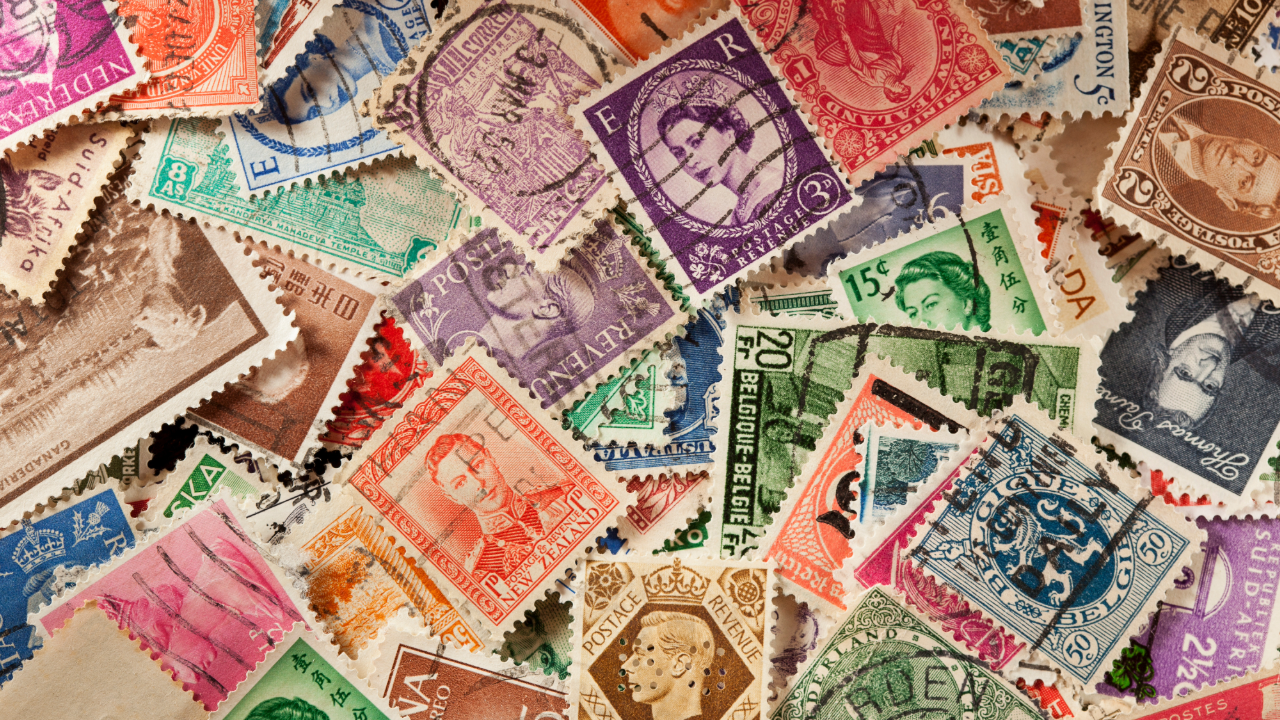
Institutions like the National Postal Museum highlight how early collectors valued stamps not just for rarity, but for what they represented—national identity, communication, and global connection.
Today’s emerging categories—such as sneakers, trading cards, designer toys, video game memorabilia, and pop-culture artifacts—are often viewed as “new” or “less serious.” But the motivations behind them are strikingly familiar.
Collectors have always sought:
- Cultural relevance
- Limited production
- Authenticity
- Personal meaning
The categories change. The instincts do not.
🧠 Why Collecting Categories Change Over Time
Collecting evolves because society evolves.
Each generation tends to collect objects that:
- Reflect their formative experiences
- Represent innovation or disruption
- Carry emotional or nostalgic weight
- Signal identity and belonging
In the 20th century, stamps and coins told stories of empires, wars, and exploration. In the 21st century, sneakers and pop culture items tell stories of street culture, music, sport, and digital communities.
Museums such as the Victoria and Albert Museum now actively preserve modern cultural objects—fashion, design, and everyday artifacts—recognising that today’s “ordinary” items often become tomorrow’s historical treasures.
💻 The Role of Technology in Shaping Collectability
Technology has fundamentally reshaped what can be collected—and how collections are valued.
Key shifts include:
- Mass awareness: Social media turns niche items into global phenomena
- Authentication tools: Digital records, provenance tracking, and expert databases
- Global access: Collectors discover categories far beyond their local markets
- Digital-first culture: Items tied to digital moments gain physical significance
Where earlier collectors relied on local clubs and printed catalogs, modern collectors rely on online knowledge hubs, global communities, and real-time insights.
Collectability is no longer defined solely by age—it’s defined by context, documentation, and cultural impact.
🔄 What Today’s Collectors Value Differently
Modern collectors tend to place greater emphasis on:
- Storytelling over speculation
- Personal connection over pure resale value
- Documentation and knowledge
- Community and shared passion
A sneaker collected today isn’t just footwear—it may represent an athlete’s legacy, a cultural movement, or a defining moment in design history.
This mindset explains why newer categories gain legitimacy faster than ever before. Knowledge travels instantly, and value is shaped collectively.
🧩 Collectiblepedia: Bridging Generations of Collectors
This is where Collectiblepedia plays a crucial role.
Rather than favouring “old” or “new” categories, Collectiblepedia takes an encyclopedic, unbiased approach to collecting:
- Traditional collectibles are documented with historical depth
- Modern categories are contextualised with cultural insight
- Cross-category connections reveal how collecting evolves
- Knowledge is preserved without judgement or hype
By placing stamps and sneakers side by side, Collectiblepedia helps collectors understand why categories emerge—and how they fit into a broader collecting narrative.
💡 Why Collectiblepedia Matters
Collecting is not a static hobby—it’s a living reflection of human culture.
Collectiblepedia connects:
- The past — preserving traditional knowledge
- The present — documenting modern trends
- The future — helping collectors recognise what may matter tomorrow
Whether you collect century-old stamps or contemporary streetwear, understanding the evolution of collecting deepens appreciation and sharpens insight.
Because every collectible—no matter the category—starts with the same question:
Why does this object matter to us right now?
And answering that question is what keeps collecting alive across generations.