



Domestic heating oil continues to be a vital fuel source for thousands of homes across the United Kingdom, particularly in rural and off-grid areas. While heating oil is reliable, efficient, and cost-effective, it must be handled with care. Over the years, domestic heating oil suppliers have observed that most safety issues arise not from faulty fuel, but from poor storage, lack of maintenance, or simple unawareness.
This guide brings together practical, real-world safety advice commonly shared by experienced UK heating oil suppliers. Whether you are a new homeowner or have relied on heating oil for decades, these tips will help you protect your property, your family, and your fuel investment.
1. Choose the Right Location for Your Oil Tank
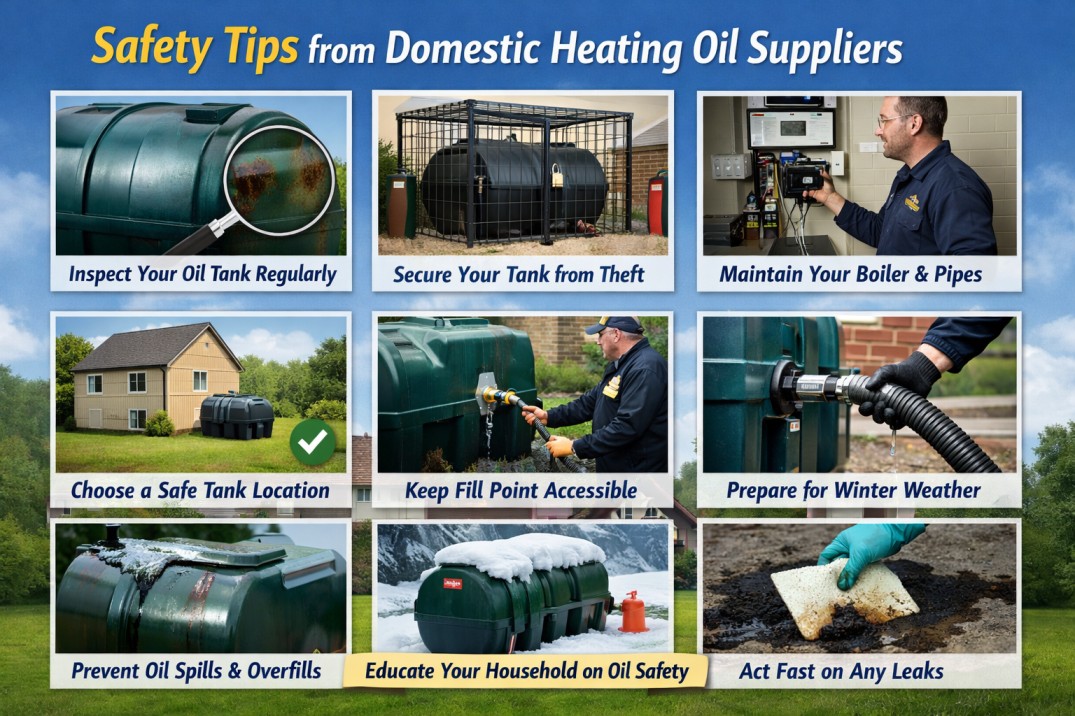
One of the most common safety concerns suppliers encounter is poorly positioned oil tanks. Your oil tank should always be installed on a stable, non-combustible base, such as concrete or paving slabs. It must be level and positioned away from potential hazards.
In the UK, tanks should not be placed too close to buildings, drains, or watercourses. Poor placement increases the risk of fire spread, environmental contamination, and costly clean-ups. Reputable domestic heating oil suppliers often recommend reviewing tank placement every few years, especially if the surrounding landscape changes.
2. Regularly Inspect Your Oil Tank
Heating oil tanks do not last forever. Over time, exposure to weather, temperature changes, and natural wear can weaken tank materials. Steel tanks may corrode, while plastic tanks can degrade due to UV exposure.
Suppliers advise homeowners to visually inspect their tanks at least once a month. Look for signs such as:
-
Bulging or cracking
-
Rust patches or discolouration
-
Oil smells or stains near the base
-
Damp ground around the tank
Catching these issues early can prevent leaks that may cost thousands of pounds to resolve.
3. Protect Your Tank from Impact and Theft
Another growing concern across the UK is accidental impact and fuel theft. Vehicles, falling branches, or garden equipment can easily damage an unprotected oil tank.
Domestic heating oil suppliers recommend installing physical barriers, such as bollards or fencing, particularly if your tank is near a driveway or road. Lockable tank caps and alarms are also strongly advised, as heating oil theft continues to rise in rural communities.
Preventing unauthorised access is not just about saving fuel—it also reduces the risk of deliberate or accidental spills.
4. Keep Fill Points Clearly Accessible
During deliveries, drivers need clear and safe access to your oil tank. Overgrown vegetation, locked gates, or unclear fill points can lead to delivery errors or spills.
Suppliers stress the importance of keeping the fill pipe clearly marked and unobstructed. Ensure that:
-
The fill point is easy to locate
-
The area is well lit during winter months
-
Pets are secured during deliveries
-
Children are kept away from the tank area
Good access reduces delivery time and minimises safety risks.
5. Never Overfill Your Oil Tank
Overfilling is one of the most avoidable yet frequent causes of oil spills. Even experienced homeowners can underestimate remaining fuel levels, especially during cold weather when usage increases.
Heating oil suppliers recommend checking tank levels before placing an order and informing the supplier of your tank’s total capacity. Installing a tank gauge or digital monitor provides accurate readings and helps prevent overfilling.
An oil spill, even a small one, can lead to environmental damage and costly clean-up responsibilities for the homeowner.
6. Maintain Your Boiler and Pipework
Your oil tank is only one part of the heating system. Suppliers often highlight that neglected pipework and boilers pose just as much risk.
Annual servicing by a qualified OFTEC-registered engineer ensures:
-
Safe combustion
-
Reduced carbon monoxide risk
-
Improved fuel efficiency
-
Early detection of leaks or blockages
Frozen or damaged pipes during winter are a common cause of heating failure. Insulating external pipework is a simple but highly effective safety measure recommended by suppliers.
7. Prepare for Cold Weather Conditions
UK winters can be unpredictable, and heating oil systems are particularly vulnerable to freezing temperatures. Domestic heating oil suppliers frequently advise homeowners to winter-proof their systems well before temperatures drop.
Key precautions include:
-
Insulating tanks, pipes, and filters
-
Keeping tanks at least one-quarter full
-
Clearing snow and ice from tank areas
-
Checking for water contamination in fuel
Cold weather preparation not only improves safety but ensures uninterrupted heating when it is needed most.
8. Act Quickly If You Suspect a Leak
If you notice oil smells, visible leaks, or sudden drops in tank levels, act immediately. Turn off the oil supply if safe to do so and contact your supplier or heating engineer without delay.
Suppliers stress that attempting DIY fixes often worsens the problem. Prompt professional action can limit damage, protect groundwater, and reduce clean-up costs.
9. Educate Everyone in the Household
Safety is most effective when everyone understands the basics. Domestic heating oil suppliers encourage homeowners to explain simple safety rules to all household members, including:
-
Avoiding open flames near the tank
-
Not tampering with valves or caps
-
Reporting unusual smells immediately
Even small awareness steps can prevent serious incidents.
Final Thoughts
Domestic heating oil remains a dependable energy source for many UK homes, but safety must always come first. The advice shared by experienced heating oil suppliers is built on decades of real-world experience, not theory.
By inspecting your tank regularly, maintaining your heating system, protecting against theft, and preparing for seasonal changes, you can enjoy safe, efficient heating all year round. Most importantly, proactive care today can prevent costly emergencies tomorrow.
A safe heating oil system is not just about compliance—it’s about peace of mind for you and your family.