

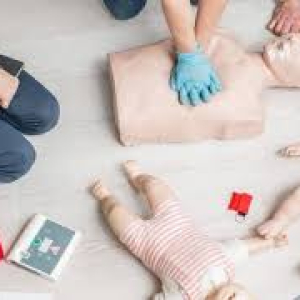
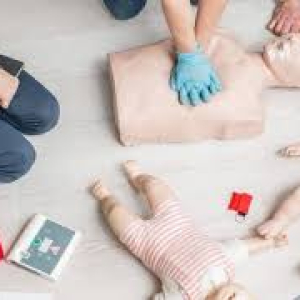



Workplace safety in Victoria, Australia, hinges on having qualified first aiders ready to respond to emergencies. Employers must ensure compliance with the Occupational Health and Safety Act 2004 (OHS Act) and Occupational Health and Safety Regulations 2017 (OHS Regulations), which mandate adequate first aid provisions based on risk assessments. This guide breaks down the key legal requirements for first aiders, drawing from WorkSafe Victoria guidelines and national standards.
Core Legislation Governing First Aid
Victorian employers bear primary responsibility as Persons Conducting a Business or Undertaking (PCBUs) to provide first aid facilities, equipment, and trained personnel "so far as is reasonably practicable." The WorkSafe Victoria Compliance Code: First Aid in the Workplace offers practical guidance, emphasizing risk assessments to determine needs, no fixed numbers exist, but higher-risk sites demand more coverage.
Failure to comply can result in penalties, as these duties stem directly from the OHS Act's welfare provisions. Businesses must assess hazards like industry type, workforce size, shift patterns, and location remoteness.
Required Qualifications for First Aiders
First aiders need nationally recognized qualifications from Registered Training Organizations (RTOs). The minimum is HLTAID011 Provide First Aid, which encompasses HLTAID009 Provide Cardiopulmonary Resuscitation (CPR). This unit covers responding to emergencies, using PPE, assessing casualties, and reporting incidents per Australian Resuscitation Council (ARC) guidelines.
CPR certification renews annually (every 12 months), while full first aid lasts three years. High-risk workplaces may require extras like anaphylaxis (22578VIC) or asthma management (22556VIC) training.
Legal sufficiency demands practical competency evidence, including simulated scenarios without prior casualty knowledge.
Number of First Aiders Needed
No legislation specifies exact numbers; instead, conduct a first aid risk assessment. Guidelines suggest:
- Low-risk offices (<50 workers): At least one first aider.
- Higher-risk sites: One per 25 workers (up to 25), two for 26-50, plus one per additional 50.
- Every shift/workgroup must have coverage; no gaps allowed.
Remote or high-hazard areas (e.g., construction, manufacturing) need advanced provisions, possibly on-site health professionals. Review assessments periodically or after incidents.
|
Workplace Risk Level |
Suggested First Aiders |
Examples |
|
Low (office) |
1 per 50 workers |
Retail, admin |
|
Medium (general industry) |
1 per 25 workers |
Warehousing |
|
High (construction/mining) |
1 per 10-25 + specialists |
Sites with hazards |
First Aid Kits and Facilities
Employers must supply fit-for-purpose kits, at least one per site or vehicle. Contents follow Safe Work Australia models: bandages, gloves, resuscitation masks, etc. - no meds unless risk-assessed.
Higher-risk needs specialized modules; remote ops require portables. Signage must identify kits and first aiders; rooms needed for large/high-risk sites.
Training Renewal and Additional Duties
Trained first aiders must stay current via refreshers. Employers provide procedures, emergency plans, and access to Ambulance Victoria.
Legal considerations include duty of care, consent, skill limits, and privacy. Records of training and assessments prove compliance during audits.
Choosing Quality Training in Victoria
Reputable RTOs deliver hands-on, compliant courses. For Melbourne businesses, providers like Growth Training Group offer tailored programs meeting all standards. If expanding to nearby areas, consider the best first aid training in Geelong from experienced teams, ensuring practical skills for real emergencies.
Growth Training Group emphasizes up-to-date curricula, including ARC-aligned simulations, ideal for Victorian workplaces.
Practical Steps for Compliance
- Perform a risk assessment using WorkSafe tools.
- Calculate first aider numbers and train via RTOs.
- Stock/maintain kits and post signs.
- Develop procedures and review annually.
- Document everything for inspections.
Why It Matters for Melbourne Businesses
In bustling Melbourne, where industries range from offices to trades, non-compliance risks fines and reputational harm. Proactive first aid saves lives, e.g., quick CPR boosts survival by 50% if within minutes. Invest in training to protect teams and meet legal duties.
Victoria's framework prioritizes practicality over rigidity, but diligence is key. Partner with trusted providers like Growth Training Group for seamless compliance and confidence.
Frequently Asked Questions on First Aid Course in Geelong
How many first aiders does my Victorian workplace need?
Victorian law requires employers to conduct a risk assessment to determine the number of first aiders, rather than mandating fixed numbers. Low-risk workplaces with fewer than 50 workers typically need at least one, while higher-risk sites may require one per 25 workers or more.
What qualification is required to be a first aider in Australia?
The minimum nationally recognized qualification is HLTAID011 Provide First Aid, which includes CPR (HLTAID009). This must be obtained from a Registered Training Organization (RTO) and renewed every three years, with CPR annually.
What are the consequences of not complying with first aid requirements?
Non-compliance with the OHS Act and Regulations can lead to fines, legal action, or imprisonment for employers. WorkSafe Victoria enforces these through inspections and incident reports.
Can first aiders prescribe medication or diagnose conditions?
No, first aiders must stay within their training scope, providing immediate care, not medical diagnosis or treatment like drugs. They follow protocols until professionals arrive, protected under Good Samaritan laws if acting in good faith.