
Antique Engagement Rings have a charm that goes far beyond modern trends. They represent history, craftsmanship, and timeless romance, making them a meaningful choice for couples who value heritage and individuality. From the ornate designs of the Victorian era to the bold geometry of Art Deco, antique engagement rings reflect changing tastes, cultural influences, and artistic movements across decades. This guide explores the evolution of antique engagement rings, helping you understand their unique styles, characteristics, and lasting appeal.
What Defines an Antique Engagement Ring?
An antique engagement ring is generally defined as a ring that is at least 100 years old. These rings were handcrafted during periods when jewelry making relied heavily on skilled artisans rather than mass production. As a result, each piece carries subtle imperfections, unique details, and a sense of authenticity that modern rings often lack. Antique engagement rings are not only symbols of love but also wearable pieces of history.
The Victorian Era (1837–1901): Romance and Symbolism
The Victorian era, named after Queen Victoria, was marked by romance, sentimentality, and deep symbolism. Engagement rings from this period often reflected love, mourning, nature, and personal emotions.
Design Characteristics
Victorian engagement rings are known for their intricate details and romantic motifs. Common elements include flowers, leaves, hearts, bows, and serpents, each symbolizing concepts such as eternal love, fidelity, or rebirth. These designs were deeply personal and often conveyed hidden meanings.
Gemstones and Metals
Diamonds were used, but colored gemstones like rubies, sapphires, emeralds, and garnets were equally popular. Yellow gold was the dominant metal, sometimes paired with silver or rose gold. Platinum was rare during this time.
Cut and Craftsmanship
Stones were hand-cut, resulting in softer shapes such as old mine cuts and rose cuts. These cuts produce a gentle, romantic glow rather than the sharp brilliance of modern diamonds.
The Edwardian Era (1901–1915): Elegance and Refinement
Following the Victorian era, the Edwardian period introduced a lighter, more refined aesthetic. Jewelry became more delicate and feminine, reflecting the optimism and sophistication of the early 20th century.
Design Characteristics
Edwardian engagement rings are recognized for their airy, lace-like designs. Filigree and milgrain detailing were widely used, creating an impression of lightness and grace. The rings often featured intricate metalwork that emphasized elegance over heaviness.
Gemstones and Metals
Diamonds became more prominent during this era, often set in platinum. Platinum allowed for finer detailing and stronger settings, making it ideal for delicate designs. Pearls and sapphires were also popular accent stones.
Overall Appeal
Edwardian rings are ideal for those who appreciate understated luxury and classic femininity. Their refined beauty makes them timeless and highly sought after.
The Art Nouveau Period (1890–1910): Nature and Creativity
Overlapping slightly with the Edwardian era, Art Nouveau jewelry embraced creativity, fluid lines, and inspiration from nature. This period marked a departure from traditional symmetry.
Design Characteristics
Art Nouveau engagement rings often feature flowing lines, asymmetrical shapes, and motifs inspired by flowers, vines, insects, and mythical figures. These designs feel artistic and expressive rather than strictly formal.
Gemstones and Enamel
While diamonds were used, emphasis was placed on craftsmanship and artistic expression rather than stone size. Enamel work was common, adding color and depth to the designs. Opals, moonstones, and peridots were frequently used.
Artistic Value
Art Nouveau rings are perfect for those who value individuality and artistic flair. Each piece feels like a miniature sculpture.
The Art Deco Era (1920–1935): Bold Geometry and Modernism
The Art Deco period marked a dramatic shift in style, influenced by industrial progress, global exploration, and modern design. Engagement rings from this era are among the most recognizable and popular antique styles today.
Design Characteristics
Art Deco engagement rings are defined by bold geometric shapes, symmetry, and strong lines. Designs often include rectangles, squares, triangles, and step patterns, creating a striking visual impact.
Gemstones and Contrast
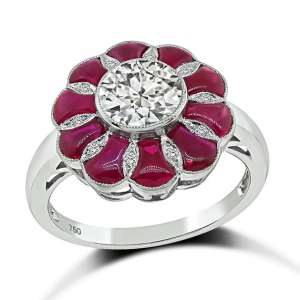
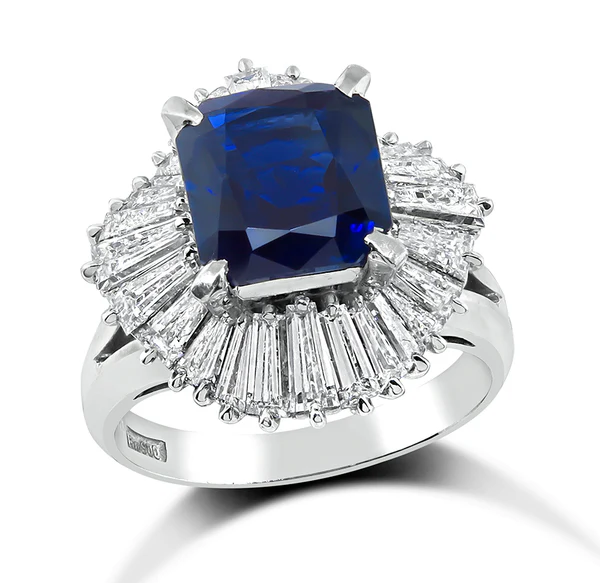
Diamonds were the centerpiece, often paired with contrasting stones such as sapphires, emeralds, onyx, and rubies. The use of contrasting colors enhanced the bold, modern look of these rings.
Metal Choices
Platinum and white gold were the preferred metals, complementing the clean, architectural designs. Settings were precise and structured, reflecting the era’s fascination with order and progress.
Timeless Appeal
Art Deco rings appeal to those who love vintage style with a modern edge. Their boldness and symmetry make them versatile and enduring.
Why Choose an Antique Engagement Ring?
Choosing an antique engagement ring is about more than aesthetics. These rings offer emotional, ethical, and artistic value that modern rings often cannot replicate.
Unique and One-of-a-Kind
Antique rings are inherently unique. No two pieces are exactly alike, making them ideal for couples who want something truly special.
Superior Craftsmanship
Handcrafted by skilled artisans, antique engagement rings showcase techniques and details that are rare today.
Sustainable and Ethical
By choosing an antique ring, you are recycling a piece of jewelry, reducing the demand for new mining and promoting sustainability.
Historical Connection
Wearing an antique ring creates a tangible connection to the past, adding depth and meaning to your engagement story.
How to Care for Antique Engagement Rings
Antique rings require thoughtful care to preserve their beauty and integrity.
-
Avoid harsh chemicals and ultrasonic cleaners.
-
Clean gently using mild soap and a soft brush.
-
Have the ring inspected regularly by a jeweler experienced in antique jewelry.
-
Remove the ring during heavy physical activities to prevent damage.
Proper care ensures that these treasured pieces can be enjoyed for generations to come.
Choosing the Right Era for You
Selecting the perfect antique engagement ring depends on personal style and lifestyle. Romantic personalities may gravitate toward Victorian designs, while lovers of elegance may prefer Edwardian rings. Those with artistic tastes might choose Art Nouveau, and individuals drawn to bold, modern aesthetics often favor Art Deco.
Understanding the characteristics of each era helps you make an informed and meaningful choice.
Conclusion
From the romantic symbolism of the Victorian era to the striking geometry of Art Deco, antique engagement rings offer a journey through history, art, and love. Each ring tells a story shaped by its time, craftsmanship, and cultural influences. Choosing an antique engagement ring means embracing timeless beauty, individuality, and a legacy that transcends generations. Whether you are drawn to delicate filigree or bold geometric patterns, these rings remain enduring symbols of love and commitment.