



Getting a tattoo is a permanent decision, but sometimes personal preferences or circumstances change, making tattoo removal necessary. Q-switched Laser treatment has become the gold standard for safely and effectively removing unwanted tattoos. Its precision allows it to break down ink particles in the skin without causing significant damage to surrounding tissue. Understanding what to expect before, during, and after the procedure can help patients achieve the best possible results.
How Q-Switched Laser Removes Tattoos:
Q-switched lasers deliver ultra-short pulses of high-energy light that target tattoo ink specifically. The rapid pulses create a photoacoustic effect that shatters pigment particles into smaller fragments, which the body then naturally eliminates through the lymphatic system. Key features include:
-
Targeted breakdown of ink particles without harming surrounding skin
-
Effective for multiple ink colors, though some colors respond better than others
-
Minimal thermal damage, reducing the risk of scarring
Types of Tattoos Treated:
Q-switched laser treatment can address a wide range of tattoo types, from amateur to professional designs. Treatment success depends on ink type, color, and tattoo depth. Common tattoos treated include:
-
Black and dark blue professional tattoos
-
Colored tattoos, including red, green, and yellow shades
-
Amateur or hand-drawn tattoos
-
Faded or partially removed tattoos requiring touch-ups
Advantages Over Other Removal Methods:
Compared to surgical excision or dermabrasion, Q-switched lasers offer a safer and more precise method of tattoo removal. Advantages of this treatment include:
-
Minimal risk of scarring and infection
-
Non-invasive and generally well-tolerated
-
Gradual fading of tattoo pigment with natural skin healing
-
Short treatment sessions suitable for most areas of the body
Safety and Suitability:
Q-switched laser treatment is suitable for most skin types and tones when performed by a qualified practitioner. Proper assessment and customized settings reduce risks and optimize outcomes. Safety considerations include:
-
Adjusting energy levels for darker skin tones to minimize hypopigmentation
-
Evaluating the type and depth of tattoo ink
-
Monitoring skin response during each session for maximum safety
What to Expect During a Session:
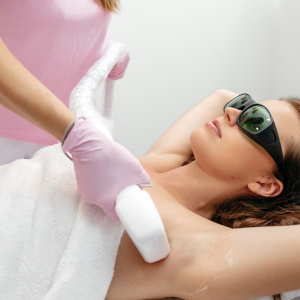
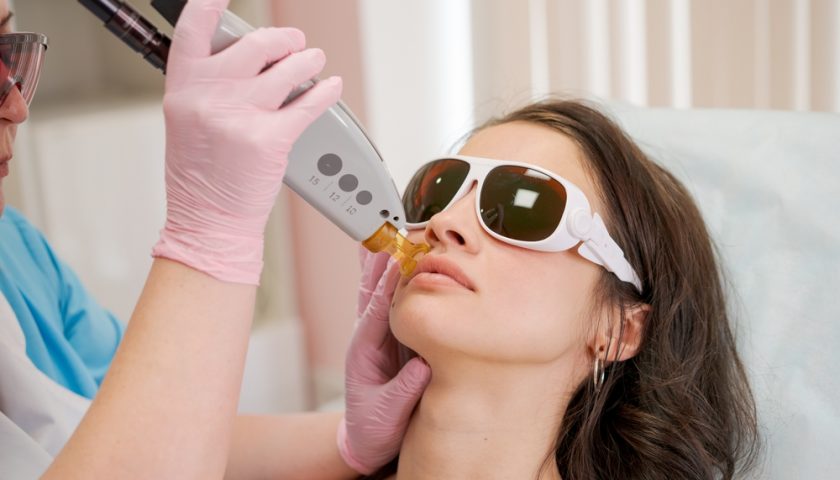
A typical Q-switched laser session is relatively quick and involves controlled targeting of the tattoo area. Patients may experience mild discomfort, often described as a snapping or tingling sensation. A session generally includes:
-
Cleaning and prepping the tattooed area
-
Wearing protective eyewear
-
Delivering laser pulses to break down ink particles
-
Using cooling devices or topical anesthetics to reduce discomfort
Immediate Skin Response:
After a session, the skin will show temporary changes that indicate the laser has effectively targeted the tattoo. Common responses include:
-
Redness and mild swelling around the treated area
-
Darkening or whitening of the tattoo immediately after treatment
-
Minor blistering or scabbing as part of the natural healing process
Recovery Time and Downtime:
One of the benefits of Q-switched laser tattoo removal is that it generally requires minimal downtime. Most patients can resume normal activities immediately, although treated skin should be protected during the healing process. Recovery expectations include:
-
Redness, tenderness, and slight swelling for 24–48 hours
-
Formation of scabs or crusts over treated areas, which heal naturally
-
Gradual fading of tattoo pigment over several weeks
-
Avoiding sun exposure and friction to promote proper healing
Number of Sessions Required:
The number of sessions needed to remove a tattoo depends on factors such as ink color, tattoo size, and depth. On average, multiple sessions are required for complete removal. Guidelines include:
-
4–10 sessions for standard professional tattoos
-
Fewer sessions for small, single-color tattoos
-
Sessions spaced 6–8 weeks apart to allow the body to clear fragmented ink naturally
Post-Treatment Care:
Proper post-treatment care is essential for minimizing complications and ensuring effective tattoo removal. Recommended care practices include:
-
Keeping the area clean and lightly moisturized
-
Avoiding picking or scratching scabs
-
Applying broad-spectrum sunscreen to prevent hyperpigmentation
-
Wearing loose clothing to avoid friction over treated areas
Combining Treatments for Stubborn Tattoos:
In some cases, tattoos that are large, multicolored, or heavily saturated may benefit from combination treatments. Combining approaches can enhance ink removal and overall skin appearance. Options include:
-
Additional Q-switched laser sessions targeting specific ink colors
-
Topical agents to support healing and pigment clearance
-
Microneedling or other skin-rejuvenating treatments post-laser to improve texture
Final Thoughts.
Q-switched laser treatment is a safe and effective solution for removing unwanted tattoos while preserving surrounding skin. Its ability to precisely break down ink particles and stimulate natural clearance makes it the preferred method for tattoo removal. With multiple sessions, proper aftercare, and professional supervision, patients can expect gradual and long-lasting results, achieving clearer, smoother skin and a fresh canvas for the future.