





For many collectors, passion comes first.
The thrill of discovery. The story behind the item. The pride of ownership.
But when it comes to value, emotion alone doesn’t protect your collection.
In today’s collectible market, documentation is money—and the absence of it quietly erodes value long before a sale, trade, or insurance claim ever happens.
The Market Has Changed: Stories Are No Longer Enough
Collectors used to rely on verbal history:
“I bought it from a private seller.”
“It’s been in my family for years.”
“Everyone knows it’s authentic.”
Unfortunately, modern buyers, insurers, and auction houses don’t operate on trust alone.
They operate on proof.
Major institutions like Christie’s and Sotheby’s consistently highlight provenance, ownership history, and authentication as core drivers of value—not optional extras.
How Undocumented Collections Lose Value (Quietly)
1. Provenance Gaps Trigger Doubt
Without a clear ownership trail:
- Buyers hesitate
- Appraisers downgrade estimates
- Auction houses request deeper verification—or refuse listings
A single missing link can reduce value dramatically.
2. Authenticity Becomes a Question Mark
Even genuine items lose credibility without documentation.
Authentication isn’t just about what the item is—it’s about how confidently that claim can be proven.
No paperwork = higher perceived risk = lower offers.
3. Insurance Claims Get Complicated
Insurers don’t insure passion—they insure verifiable assets.
According to guidance from the Insurance Information Institute, missing documentation often results in:
- Lower coverage limits
- Delayed claims
- Partial or denied payouts
In worst cases, collectors only realise this after a loss occurs.
4. Resale Readiness Disappears
When the time comes to sell or trade:
- Buyers demand records
- Platforms require evidence
- Negotiations stall
What could have been a smooth transaction turns into weeks—or months—of scrambling for proof.
Why Buyers Demand History, Not Stories
Modern collectors think like investors:
- They want transparency
- They want traceability
- They want confidence the asset will hold value after purchase
A story may attract interest—but history closes the deal.
This shift is driven by:
- Global online marketplaces
- Cross-border trading
- Increased fraud awareness
- Institutional buyers entering the collectible space
The Hidden Cost of Missing Data
What collectors don’t see is often what costs them the most:
- Lower appraisal benchmarks
- Reduced liquidity
- Missed trading opportunities
- Loss of leverage during negotiations
These losses compound over time—and they’re almost always preventable.
How My Premium Collection (MPC) Solves This Problem
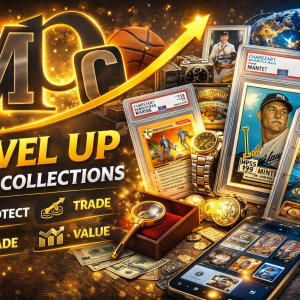
This is exactly why My Premium Collection (MPC) exists.
MPC isn’t just about managing collections—it’s about protecting their value.
🔐 MPC’s Documentation-First Approach
Provenance Records
- Upload certificates, invoices, appraisals, and expert opinions
- Keep everything linked directly to the collectible
Ownership History
- Track when and how items were acquired
- Maintain a clear, chronological ownership trail
Secure Documentation Storage
- Centralised, protected digital records
- Accessible whenever you need them—for insurance, resale, or trading
Instead of scrambling for proof, MPC ensures it’s already there.
From Passion to Preparedness
Collectors who document properly:
- Sell faster
- Insure smarter
- Trade with confidence
- Protect long-term value
Collectors who don’t?
They often learn the cost too late.
Why This Matters for the Future of Collecting
As collectibles become:
- More global
- More digital
- More investment-focused
Documentation won’t be optional—it will be expected.
MPC helps collectors stay ahead of that curve, turning collections into well-documented, future-ready assets rather than vulnerable passion projects.
You may own the collectible.
But without documentation, the market doesn’t fully trust it.
My Premium Collection ensures your collectibles are not just owned—but proven, protected, and prepared for whatever comes next.