
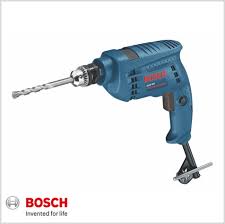
When it comes to drilling tasks, choosing the right tool can make a big difference in both results and effort. Two commonly confused tools are the drill machine and the hammer drill. While they may look similar, they are designed for different purposes. Understanding how each tool works and where it performs best will help you choose the right one for your project, whether for home use or professional work.
What Is a Drill Machine?
A drill machine, often called a standard or rotary drill, is primarily designed for making holes and driving screws into materials like wood, plastic, metal, and light masonry. It works by rotating the drill bit at high speed, allowing smooth and controlled drilling. Drill machines are widely used for furniture assembly, carpentry work, electrical installations, and general DIY tasks.
Most drill machines come with variable speed control, forward and reverse functions, and compatibility with different drill bits and screwdriver attachments. Because of their simplicity and ease of use, they are ideal for beginners and home users.
What Is a Hammer Drill?
A hammer drill is built for tougher drilling jobs, especially on hard materials like concrete, brick, and stone. In addition to the rotating motion, a hammer drill produces a rapid hammering or pulsing action. This forward-and-back movement helps break through hard surfaces while the bit rotates, making drilling faster and less physically demanding.
Hammer drills are commonly used in construction, renovation, and heavy-duty installation work. Many hammer drills also allow you to switch off the hammering action, enabling the tool to function like a regular drill when needed.
Key Differences in Working Mechanism
The main difference between a drill machine and a hammer drill lies in how they operate. A standard drill relies only on rotation to cut through materials. This makes it precise and suitable for softer surfaces.
A hammer drill, on the other hand, combines rotation with impact. The hammering motion delivers small, rapid blows that help the drill bit penetrate hard materials more efficiently. This makes hammer drills more powerful but also slightly heavier and louder than regular drill machines.
Material Compatibility
Drill machines are best suited for wood, plastic, aluminum, and thin metal sheets. They can handle light masonry with special bits, but drilling into concrete can be slow and stressful for the tool.
Hammer drills excel at drilling into concrete, brick, cement walls, and stone. For regular woodworking or screw-driving tasks, however, the hammer function is unnecessary and may even damage softer materials if not switched off.
Ease of Use and Comfort
Drill machines are generally lighter, more compact, and easier to control. This makes them comfortable for long hours of use and ideal for small household tasks. Hammer drills are heavier due to their internal impact mechanism and require a firmer grip, especially when drilling into hard surfaces.
For occasional home use, a drill machine is usually sufficient. For frequent wall drilling or construction work, a hammer drill offers better performance and efficiency.
Which One Should You Choose?
The right choice depends on your needs. If your work mostly involves assembling furniture, hanging shelves on wooden or metal surfaces, or doing basic repairs, a drill machine is the better option. It is affordable, versatile, and easy to handle.
If you often work with concrete walls, brick surfaces, or masonry structures, a hammer drill is the smarter investment. It saves time, reduces effort, and delivers cleaner results on tough materials.
Final Thoughts
Both drill machines and hammer drills have their own strengths and are designed for specific applications. A drill machine offers precision and versatility for everyday tasks, while a hammer drill provides the extra power needed for heavy-duty drilling. By understanding the differences, you can confidently select the right tool and complete your projects more efficiently and safely.