



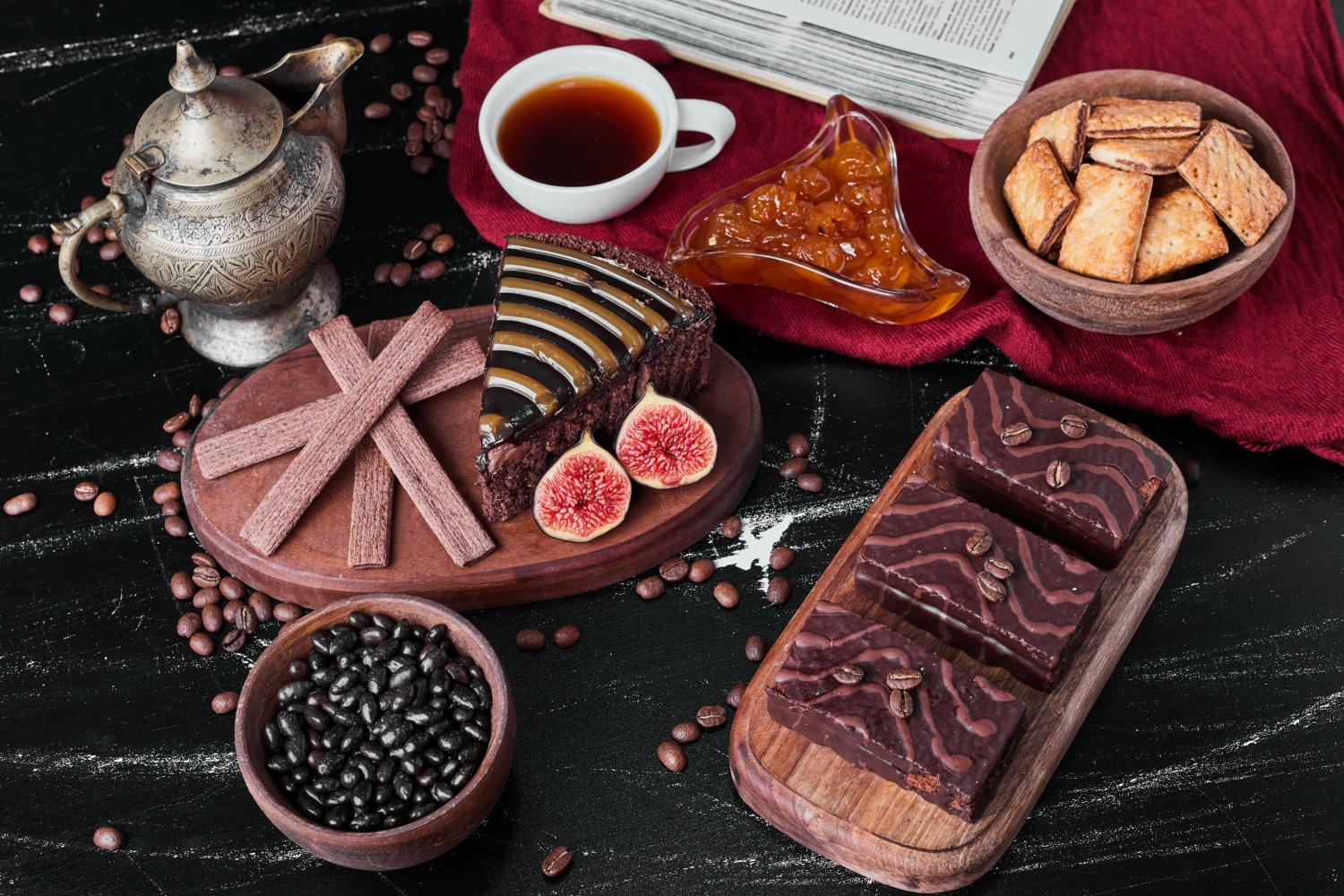
Chocolate lovers are always searching for creative ways to enjoy their favorite indulgence. From truffles and pralines to brownies and bars, the world of chocolate offers endless possibilities. One delightful and increasingly popular option is chocolate bark—a versatile, customizable, and visually stunning confection that appeals to both casual snackers and gourmet enthusiasts alike.
Whether you’re looking for a unique homemade dessert, a thoughtful gift, or a premium retail treat, chocolate bark stands out for its simplicity and sophistication. In this article, we’ll explore what chocolate bark is, its origins, how to make it, and why it continues to grow in popularity among dessert lovers worldwide.
What Is Chocolate Bark?
Chocolate bark is a thin layer of melted chocolate spread on a flat surface and topped with a variety of ingredients such as nuts, dried fruits, candies, seeds, or spices. Once cooled and hardened, the chocolate is broken into irregular pieces, giving it a rustic, bark-like appearance—hence the name.
Unlike traditional chocolate bars that are molded into uniform shapes, chocolate bark embraces an artisanal look. This makes it ideal for gourmet presentations, holiday treats, and handcrafted gifts. The combination of textures and flavors creates a sensory experience that is both visually appealing and delicious.
The Origins and Evolution of Chocolate Bark
While chocolate bark may seem like a modern dessert trend, its roots lie in traditional chocolate-making practices. Chocolatiers have long experimented with mixing chocolate with nuts, spices, and fruits to create unique confections. Over time, the concept of spreading chocolate thinly and adding toppings became popular due to its simplicity and versatility.
In recent years, chocolate bark has gained traction in home kitchens, bakeries, and specialty confectionery shops. Social media platforms have further fueled its popularity, with visually stunning bark designs becoming a favorite among food bloggers and dessert enthusiasts.
Why Chocolate Bark Is So Popular
1. Easy to Make
Chocolate bark is one of the easiest chocolate-based desserts to prepare. With just a few ingredients and minimal equipment, anyone can create a delicious batch at home. Simply melt chocolate, spread it on a tray, add toppings, and let it cool.
2. Highly Customizable
One of the biggest advantages of chocolate bark is its versatility. You can tailor it to suit dietary preferences, flavor profiles, and occasions. From dark chocolate with almonds to white chocolate with cranberries and pistachios, the possibilities are endless.
3. Perfect for Gifting
Chocolate bark makes an excellent gift for holidays, birthdays, and corporate events. Its artisanal appearance and gourmet taste give it a premium feel, making it a thoughtful and elegant present.
4. Great for Seasonal Themes
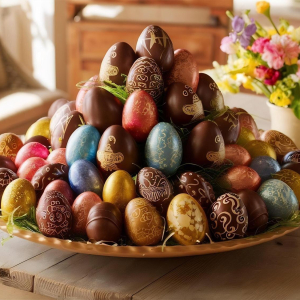
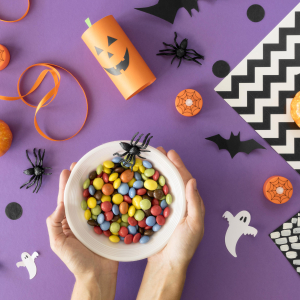
Chocolate bark can easily be adapted for seasonal celebrations. Think peppermint bark for Christmas, pastel candy bark for Easter, or pumpkin spice bark for autumn. This adaptability keeps it relevant year-round.
How to Make Chocolate Bark at Home
Creating chocolate bark at home is simple and requires minimal effort. Here’s a basic guide:
Ingredients:
-
High-quality chocolate (dark, milk, or white)
-
Toppings of your choice (nuts, dried fruits, seeds, candies, spices)
Steps:
-
Melt the Chocolate: Use a double boiler or microwave in short intervals, stirring frequently to prevent burning.
-
Spread the Chocolate: Pour the melted chocolate onto a parchment-lined baking sheet and spread it evenly with a spatula.
-
Add Toppings: Sprinkle your chosen toppings over the chocolate while it’s still warm.
-
Cool and Set: Allow the chocolate to cool at room temperature or place it in the refrigerator until fully hardened.
-
Break into Pieces: Once set, break the chocolate into irregular pieces and store in an airtight container.
This simple process allows you to create gourmet-quality chocolate bark in your own kitchen.
Popular Flavor Combinations
Chocolate bark can be tailored to suit a wide range of tastes. Here are some popular combinations:
Classic Nutty Bark
-
Dark chocolate
-
Almonds, hazelnuts, or walnuts
-
A sprinkle of sea salt
Fruity Delight
-
White or milk chocolate
-
Dried cranberries, apricots, or cherries
-
Coconut flakes
Sweet and Salty
-
Milk or dark chocolate
-
Pretzels, caramel bits, and peanuts
-
A dash of flaky salt
Exotic and Spiced
-
Dark chocolate
-
Chili flakes, cinnamon, or cardamom
-
Toasted sesame seeds
These combinations highlight how creative you can get with flavors and textures.
Health Considerations and Benefits
While chocolate bark is a treat, it can also offer some health benefits—especially when made with high-quality dark chocolate and wholesome toppings. Dark chocolate is rich in antioxidants, which may support heart health and reduce inflammation. Nuts and seeds add healthy fats, protein, and fiber, making chocolate bark a more balanced indulgence compared to many other sweets.
By choosing natural toppings and controlling sugar content, you can create a version that aligns with your dietary preferences, including vegan or low-sugar options.
Gourmet Chocolate Bark in the Market
The demand for artisanal chocolate products has led many gourmet brands to offer premium chocolate bark varieties. These often feature exotic ingredients, unique flavor pairings, and elegant packaging. For example, specialty confectioners like Chocolate Emporium have embraced handcrafted bark as part of their gourmet chocolate collections, showcasing the appeal of this versatile treat in the luxury dessert market.
Creative Uses for Chocolate Bark
Chocolate bark isn’t just for snacking. It can be used in various creative ways:
-
Dessert Toppings: Crushed bark can be sprinkled over ice cream, cakes, and cupcakes.
-
Party Favors: Individually wrapped pieces make charming party giveaways.
-
Corporate Gifts: Custom-branded packaging can elevate chocolate bark as a corporate gift.
-
Holiday Treats: Seasonal decorations and themed toppings make it perfect for festive celebrations.
These uses highlight its versatility beyond being a simple confection.
Tips for Perfect Chocolate Bark
To achieve professional-quality chocolate bark, consider these tips:
-
Use High-Quality Chocolate: The better the chocolate, the better the final product.
-
Temper the Chocolate: Tempering gives the bark a glossy finish and satisfying snap.
-
Balance Flavors: Combine sweet, salty, crunchy, and chewy elements for a complex taste profile.
-
Store Properly: Keep bark in a cool, dry place to maintain texture and flavor.
These techniques ensure your chocolate bark looks and tastes exceptional.
Conclusion
Chocolate bark is more than just a dessert—it’s a creative canvas for flavor, texture, and presentation. Its simplicity, versatility, and gourmet appeal make it a favorite among home bakers, chocolatiers, and dessert lovers alike. Whether you’re crafting a homemade treat, exploring artisanal confections, or looking for a premium gift option, Chocolate Barks offer endless possibilities for indulgence and innovation.