



Introduction
Valentine’s Day has always been more than a date on the calendar. It is a cultural moment rooted in emotion, symbolism, and meaningful gestures. Among all the ways people express affection, flowers remain the most enduring and emotionally resonant choice. Their colors, fragrances, and forms communicate feelings that words often cannot.
For those exploring the popular valentine's day flowers category to better understand what makes a floral gift unforgettable, it is worth looking beyond surface level beauty. Each bloom carries centuries of symbolism, evolving trends, and personal interpretations that shape how it is received.
This guide is designed to help you make informed, thoughtful choices by exploring flower meanings, modern preferences, cultural influences, and expert tips so your Valentine’s bouquet feels intentional rather than routine.
Why Flowers Remain the Heart of Valentine’s Day
Flowers have been used to express love since ancient civilizations. From Roman celebrations of fertility to Victorian era floriography, blooms have long acted as emotional messengers. On Valentine’s Day, they serve as tangible representations of care, admiration, and connection.
Unlike material gifts, flowers engage multiple senses at once. Their visual beauty, natural fragrance, and ephemeral nature create an emotional impact that feels both intimate and sincere. They also allow personalization, whether through color choices, flower types, or arrangement styles.
Modern gifting has evolved, but flowers continue to hold their place because they adapt effortlessly to new meanings and aesthetics without losing their romantic core.
Understanding Floral Symbolism and Emotional Language
Every flower tells a story. Understanding this silent language helps elevate a bouquet from attractive to deeply meaningful.
Roses traditionally symbolize love and devotion, but color variations shift their message. Lilies often represent purity and commitment. Tulips speak of honest affection, while orchids convey admiration and refinement.
When selecting blooms for Valentine’s Day, symbolism should align with the relationship stage. Early connections often benefit from light, cheerful flowers, while long term partnerships may lean toward deeper, more expressive varieties.
Classic Valentine Flower Choices and Their Meaning
Roses and Their Timeless Appeal
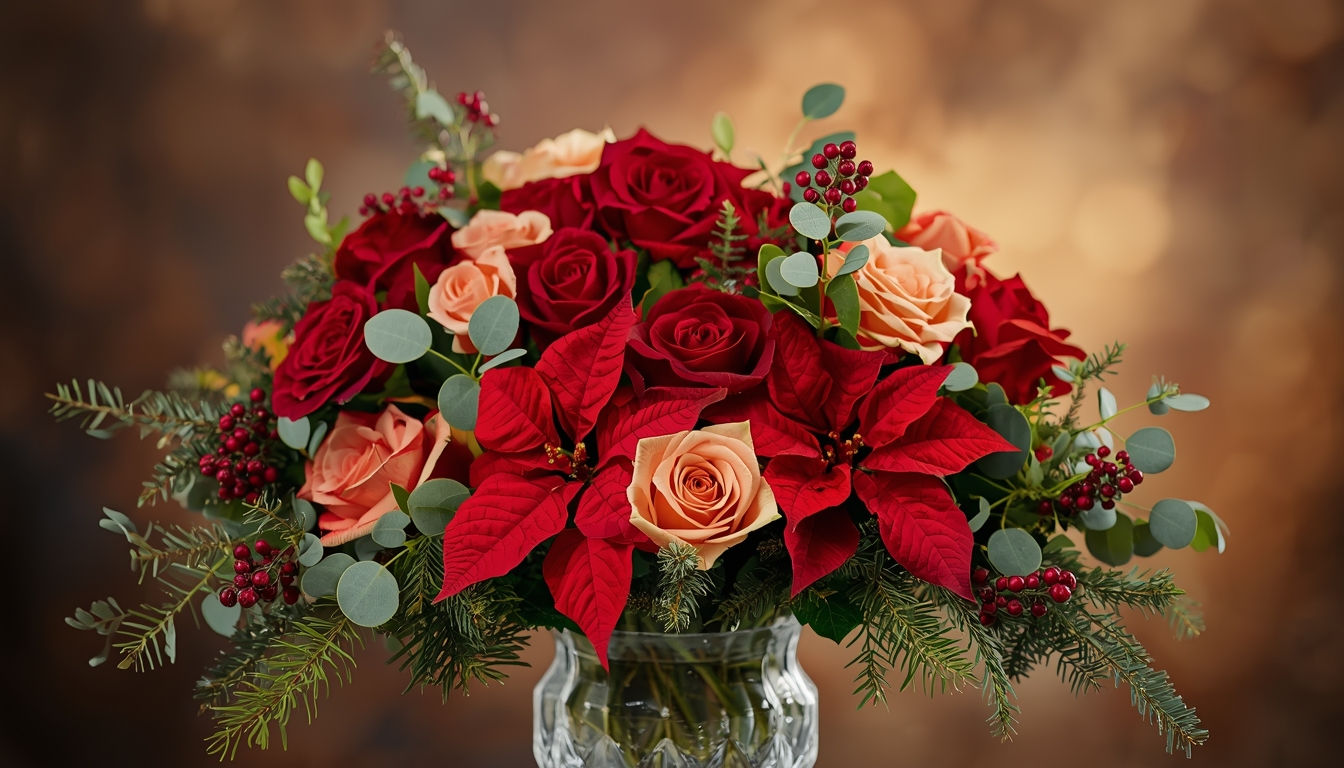
Roses dominate Valentine gifting for a reason. Their layered petals and rich colors make them visually captivating, while their symbolism resonates universally. Red roses remain the ultimate symbol of romantic love, while pink suggests admiration and gratitude. White roses communicate sincerity and respect, often chosen for elegant or understated expressions.
Tulips and Modern Romance
Tulips have grown in popularity due to their clean lines and vibrant colors. They symbolize perfect love and are ideal for those who appreciate simplicity and modern design. Their seasonal availability also makes them a fresh and relevant choice for February gifting.
Lilies for Depth and Devotion
Lilies offer dramatic beauty and fragrance. They are often associated with long lasting relationships and deep emotional bonds. Stargazer lilies in particular convey passion and ambition, making them suitable for meaningful partnerships.
Orchids as Symbols of Luxury
Orchids represent refinement, beauty, and strength. Their long lasting nature makes them ideal for recipients who appreciate elegance and sustainability. They are often chosen as potted plants, extending their impact well beyond Valentine’s Day.
Color Psychology and Valentine’s Day Flowers
Color plays a powerful role in emotional perception. Choosing the right palette can enhance the message behind your floral gift.
Red evokes passion and desire. Pink suggests tenderness and affection. White conveys honesty and grace. Purple adds an element of mystery and admiration, while yellow can symbolize friendship or joy when used thoughtfully.
Combining colors can create layered meanings, allowing a bouquet to express multiple emotions simultaneously. Understanding these nuances helps create a gift that feels intentional and personal.
Modern Floral Trends Shaping Valentine’s Day
Unique Color Palettes
Contemporary Valentine bouquets are moving beyond traditional red and white. Deep burgundy, blush tones, and even muted neutrals are gaining popularity. These palettes reflect modern tastes and allow greater customization.
Mixed Flower Arrangements
Rather than single flower bouquets, many now prefer curated mixes that combine textures and shapes. This approach adds visual interest and storytelling depth, making the arrangement feel bespoke.
Sustainable and Ethical Choices
Eco conscious consumers are increasingly mindful of sourcing. Locally grown flowers, reusable packaging, and long lasting arrangements align with values of sustainability and responsible gifting.
How to Choose the Right Flowers for Different Relationships
New Relationships
For budding romances, lighter arrangements with tulips, daisies, or pastel roses strike the right balance. They express interest without overwhelming intensity.
Long Term Partners
Established relationships often welcome richer colors and classic blooms. Deep red roses, lilies, or custom arrangements that reflect shared memories add emotional weight.
Spouses and Life Partners
For spouses, personalization matters most. Including favorite flowers, meaningful colors, or even unconventional choices like exotic blooms can make the gesture feel deeply intimate.
Presentation Matters More Than You Think
The way flowers are presented can amplify their impact. Elegant wrapping, thoughtful notes, and creative containers elevate even simple arrangements.
Minimalist designs suit modern tastes, while lush, abundant bouquets appeal to traditional romantics. Presentation should align with the recipient’s personality, not just current trends.
Timing and Delivery Considerations
Freshness is crucial. Valentine’s Day demand can affect availability, so planning ahead ensures quality and choice. Delivery timing also influences the experience. Receiving flowers early in the day can set a romantic tone, while evening surprises add drama.
Understanding these logistics helps avoid last minute compromises and ensures the gift feels seamless and thoughtful.
Beyond Bouquets Exploring Alternative Floral Gifts
Flowers are not limited to traditional arrangements. Potted plants, preserved blooms, and floral inspired gifts offer lasting alternatives.
Preserved roses maintain their beauty for months, symbolizing enduring affection. Potted orchids or succulents provide ongoing enjoyment and a living reminder of the occasion.
These options appeal to recipients who value longevity and practicality without sacrificing romance.
Cultural Influences on Valentine Flower Choices
Different cultures interpret Valentine’s Day flowers uniquely. In some regions, specific colors carry distinct meanings, while in others, certain flowers are preferred for their symbolism.
Understanding cultural context can be especially important in international or multicultural relationships, ensuring the gesture is received as intended.
Caring for Valentine Flowers to Extend Their Beauty
Proper care enhances the lifespan of floral gifts. Simple steps such as trimming stems, changing water regularly, and keeping arrangements away from direct heat can significantly extend freshness.
Sharing care tips with the recipient adds a thoughtful touch and shows consideration beyond the initial gesture.
Making Your Valentine Flower Gift Truly Memorable
The most memorable floral gifts are those chosen with intention. Rather than focusing solely on trends, consider the recipient’s preferences, shared experiences, and emotional connection.
A handwritten note, a meaningful delivery moment, or a carefully selected arrangement can transform flowers into a lasting memory rather than a fleeting gesture.
Frequently Asked Questions
What flowers are best for a first Valentine’s Day together
Light and cheerful blooms like tulips or pastel roses are ideal. They convey affection without overwhelming intensity.
Are non red flowers appropriate for Valentine’s Day
Absolutely. Pink, white, purple, and mixed arrangements are increasingly popular and often feel more personalized.
How far in advance should Valentine flowers be ordered
Ordering at least one week in advance ensures better selection and freshness, especially during peak demand.
Can flowers still feel special without being traditional
Yes. Unique arrangements, uncommon blooms, or alternative floral gifts often feel more thoughtful than classic choices.