






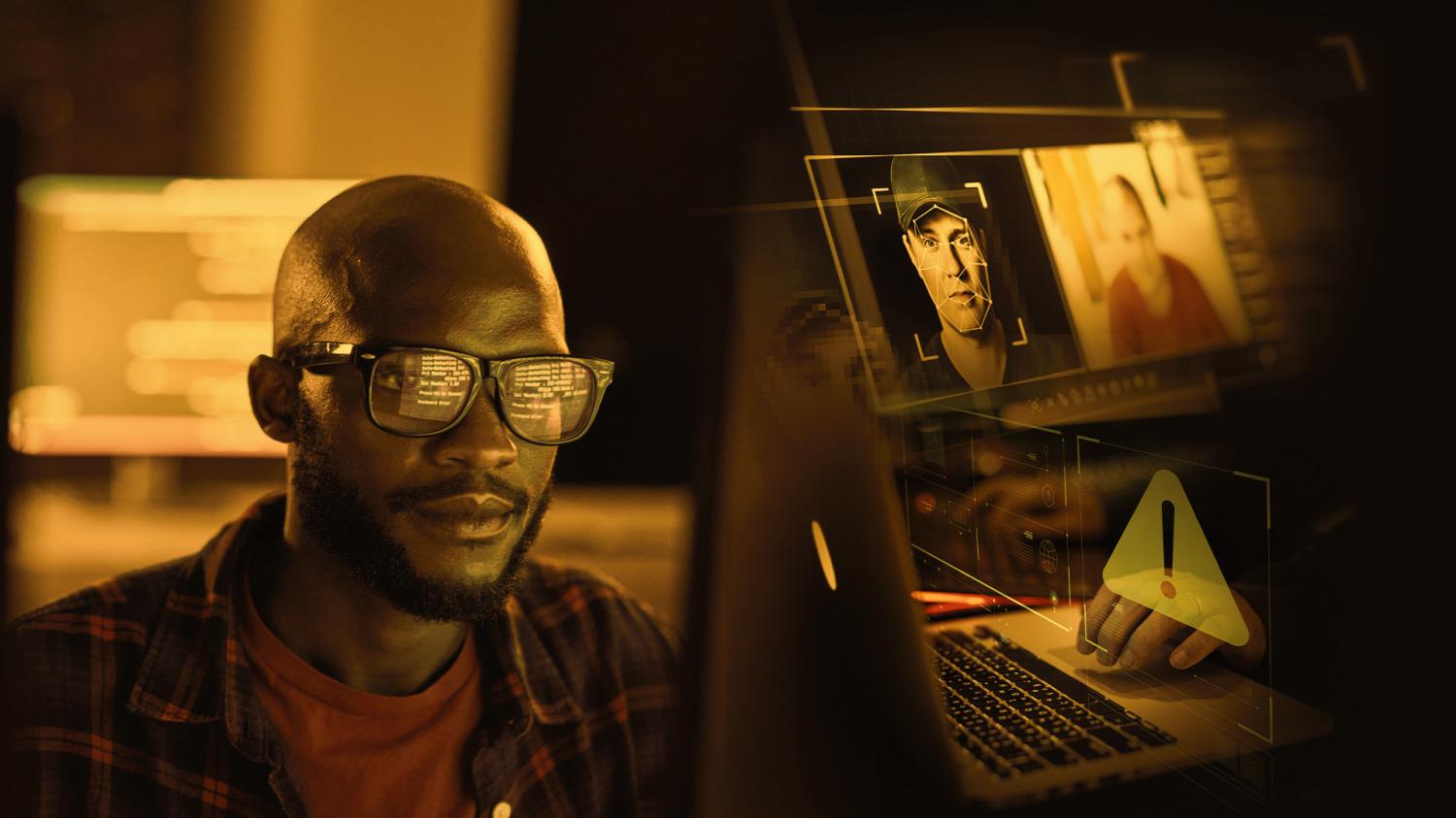
The entertainment industry is perhaps the most impacted by the rise of generative AI. While the technology offers incredible creative possibilities, it also poses a threat to intellectual property and the likeness rights of performers. For studios and news organizations, verifying what is real has become a mission-critical task.
The Role of Deepfake Detection in Modern Journalism
Newsrooms are the frontline of the battle against misinformation. Using Deepfake Detection software allows journalists to verify the authenticity of user-submitted footage before it goes to air. This ensures that a news organization’s credibility remains intact in an era where "fake news" can be generated with a single click.
Protecting the Likeness of Actors and Influencers
Unauthorized deepfakes of celebrities are frequently used in adult content or fraudulent advertisements. Studios must be proactive in monitoring for these fakes to protect their talent and their brand assets. Forensic tools can help legal teams issue takedown notices with concrete evidence of digital manipulation.
Ethical Use of AI in Film Production
As studios use AI for de-aging or reviving deceased actors, clear ethical guidelines must be established. This includes obtaining proper consent and ensuring that the use of AI is transparent to the audience. Maintaining this "creative trust" is essential for the long-term health of the entertainment industry.
Why Every Production Studio Needs a Deepfake Tabletop Exercise
A digital leak or a deepfake-related scandal can halt a major production. A Deepfake Tabletop Exercise helps production teams and PR firms practice their response to a simulated AI-generated controversy. Being prepared ensures that the organization can control the narrative and mitigate damage quickly.
Securing the Digital Workflow from End to End
From the camera to the editing suite, digital assets must be protected from unauthorized alteration. Implementing "content provenance" standards helps track the history of a file, making it easier to identify when a deepfake has been introduced. This "digital watermark" approach is the future of media security.
- Verify the source of all viral video clips.
- Implement C2PA standards for media metadata.
- Train editors on AI-assisted forgery techniques.
- Monitor for unauthorized "cloned" performances.
Building a Resilient Media Brand in the AI Era
Audiences are becoming increasingly skeptical of everything they see online. Media brands that prioritize verification and transparency will win the long-term loyalty of their viewers. By investing in detection technology, these organizations prove their commitment to the truth.
- Establish a dedicated "Deepfake Desk" in newsrooms.
- Conduct regular crisis response simulations.
- Support legislation on digital likeness rights.
- Educate the audience on how to spot fakes.
Conclusion
The media and entertainment sectors are at a crossroads where technology can either enhance or destroy credibility. By embracing advanced detection tools and rigorous personnel training, these industries can protect their creative output. Preserving the truth is the most important work a media company can do today.