



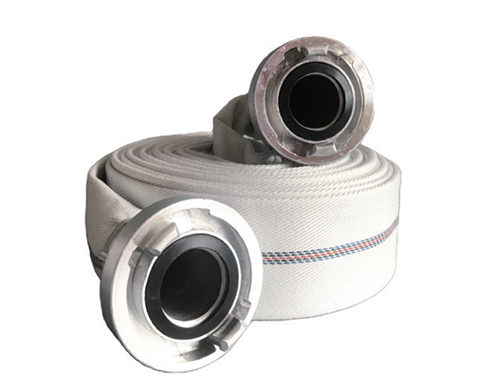
The service life of a textile hose is a testament to durable engineering, but it is not indefinite. Its performance and longevity are deeply influenced by the conditions it encounters and the care it receives. Understanding these factors is crucial for safe and effective operation. Every textile hose is designed within specific parameters—working pressure, temperature range, and chemical compatibility. Consistently operating outside these boundaries, such as subjecting a hose to surges exceeding its rated pressure, stresses the textile reinforcement and can lead to premature failure.
The environment poses constant challenges. External abrasion from being dragged over rough surfaces can wear through the protective cover, exposing the critical textile ply to damage. Constant flexing, especially at tight radii or under pressure, can fatigue both the fabric and the tube material over time. Internally, the conveyed medium itself may have a gradual effect; certain oils or chemicals can degrade the tube liner, compromising the hose from the inside out. Regular inspection becomes a vital practice, searching for telltale signs like cuts, bulges, soft spots, or exposed fabric, which indicate the textile hose may need retirement.
Proper maintenance extends a textile hose’s functional life significantly. This includes correct storage away from sunlight and ozone sources, cleaning after use to remove corrosive or abrasive residues, and avoiding sharp kinks during installation. Using appropriate fittings and ensuring they are securely attached prevents leaks and blow-offs. Ultimately, respecting the textile hose as a precision component, rather than a simple piece of tubing, is key. Through attentive care and adherence to its operational limits, the flexible, fabric-built conduit can deliver reliable, long-term service, fulfilling its role as a vital link in fluid and material handling systems.