






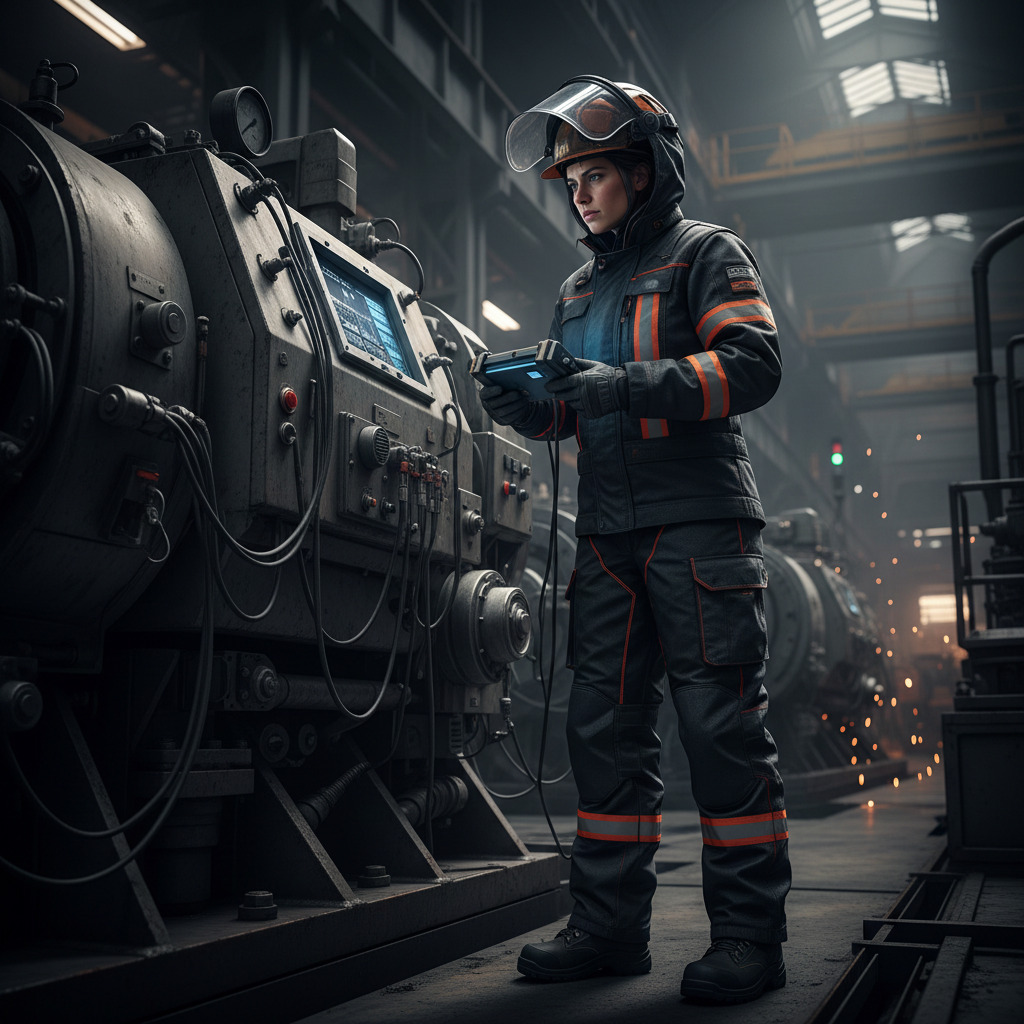
In today’s fast-paced industrial environment, employee safety and productivity are top priorities for every organization. Whether it’s construction, manufacturing, warehousing, or oil and gas operations, workers are exposed to various hazards every day. This is where industrial workwear, safety wear, and protective clothing play a vital role. They are not just uniforms—they are essential tools that protect workers, improve efficiency, and help businesses maintain compliance with safety standards.
This article explores why industrial workwear is crucial, how it enhances productivity, and what employers should consider when choosing the right protective gear.
1. Understanding Industrial Workwear
Industrial workwear refers to specialized clothing designed to protect workers from workplace hazards. It includes items like safety helmets, gloves, steel-toe boots, high-visibility jackets, flame-resistant suits, goggles, and ear protection. Unlike regular clothing, industrial workwear is engineered to handle extreme conditions such as heat, chemicals, sharp objects, and heavy machinery.
Safety wear and protective clothing are broader terms that cover all equipment used to safeguard workers from injuries or health risks. These items are often mandatory in industries with high-risk environments.
2. Protecting Workers from Workplace Hazards
The primary purpose of industrial workwear is protection. Workers in industrial settings face numerous risks such as falling objects, chemical exposure, electrical hazards, extreme temperatures, and heavy equipment accidents.
Key Safety Benefits:
-
Head Protection: Helmets protect against falling objects.
-
Eye Protection: Safety goggles prevent dust, sparks, and chemical injuries.
-
Hand Protection: Gloves protect from cuts, burns, and chemicals.
-
Foot Protection: Steel-toe boots prevent crushing injuries.
-
Body Protection: Flame-resistant or chemical-resistant clothing shields workers from burns and spills.
Without proper safety wear, even minor accidents can lead to serious injuries or fatalities. Industrial workwear significantly reduces these risks, ensuring workers can perform their duties safely.
3. Boosting Workplace Productivity
Many employers view protective clothing as a cost, but it is actually an investment. Safe workers are confident workers. When employees feel protected, they can focus on their tasks without fear of injury.
How Industrial Workwear Improves Productivity:
-
Reduced Injuries: Fewer accidents mean fewer work interruptions.
-
Better Efficiency: Comfortable workwear allows easy movement.
-
Employee Confidence: Workers perform better when they feel safe.
-
Less Downtime: Safe environments reduce absenteeism.
High-quality industrial workwear is designed for comfort and durability, which helps workers stay productive throughout long shifts.
4. Legal Compliance and Industry Standards
Most industries have strict safety regulations that require the use of safety wear and protective clothing. Employers must provide proper gear to avoid legal issues, fines, or shutdowns.
Providing certified industrial workwear helps businesses:
-
Meet workplace safety regulations
-
Avoid legal penalties
-
Maintain company reputation
-
Ensure worker welfare
Compliance is not just about avoiding fines—it shows responsibility toward employees.
5. Enhancing Worker Morale and Job Satisfaction
Employees who receive proper industrial workwear feel valued. This boosts morale and loyalty. Comfortable and well-designed protective clothing shows that employers care about their workforce.
Benefits to employee morale include:
-
Increased job satisfaction
-
Reduced stress
-
Higher motivation
-
Improved teamwork
When workers feel respected and protected, they are more likely to stay with the company long-term.
6. Preventing Long-Term Health Issues
Some workplace hazards don’t cause immediate injuries but lead to long-term health problems. Dust, chemicals, loud noise, and toxic fumes can cause chronic illnesses.
Industrial workwear helps prevent:
-
Respiratory diseases
-
Skin irritation or burns
-
Hearing loss
-
Eye damage
Protective clothing acts as a barrier between workers and harmful elements, reducing long-term health risks.
7. Durability and Cost Savings
High-quality industrial workwear may seem expensive initially, but it saves money over time. Durable protective clothing lasts longer and reduces replacement costs.
Cost-saving advantages include:
-
Fewer accident-related expenses
-
Reduced insurance claims
-
Lower employee turnover
-
Long-lasting gear
Investing in good safety wear is more economical than dealing with workplace injuries.
8. Building a Professional Brand Image
Uniform industrial workwear also enhances company branding. Workers wearing clean and standardized protective clothing create a professional impression.
Benefits for businesses:
-
Strong brand identity
-
Customer trust
-
Organized workplace appearance
-
Easy worker identification
Many companies customize industrial workwear with logos and colors, combining safety with branding.
9. Choosing the Right Industrial Workwear
Selecting the right safety wear depends on the industry and job risks. Employers should consider:
-
Hazard Type: Chemical, electrical, mechanical, or thermal risks.
-
Comfort: Breathable fabrics and proper fitting.
-
Durability: Strong materials for long-term use.
-
Compliance: Certified protective clothing meeting safety standards.
-
Weather Conditions: Waterproof or insulated gear if needed.
Regular inspection and replacement of worn-out workwear are also important.
10. Training Workers on Safety Wear Usage
Providing industrial workwear is not enough. Workers must know how to use it properly. Training programs should include:
-
Correct way to wear protective clothing
-
When to replace damaged gear
-
Cleaning and maintenance tips
-
Safety awareness training
Proper training ensures maximum protection.
Conclusion
Industrial environments come with unavoidable risks, but injuries and accidents can be minimized with the right precautions. Industrial workwear, safety wear, and protective clothing are essential for protecting workers, improving productivity, ensuring legal compliance, and boosting morale.
Employers who invest in quality safety gear not only protect their workforce but also strengthen their business performance. A safe workplace is a productive workplace. By prioritizing industrial workwear, companies create a culture of safety, responsibility, and efficiency.