

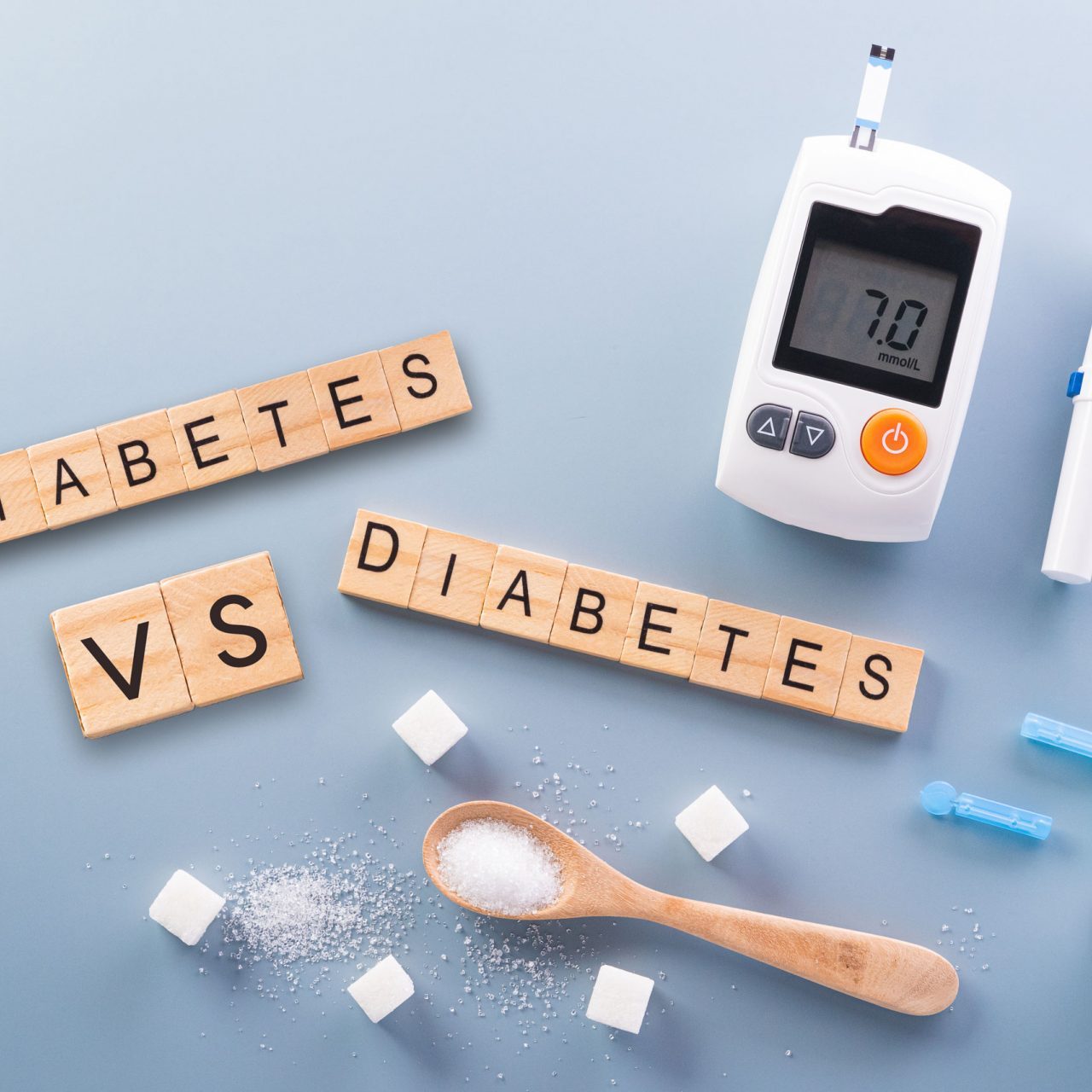
Managing fasting and insulin levels is a critical part of diabetes care. For individuals with diabetes, controlling blood sugar levels, especially during fasting, plays a significant role in maintaining overall health and preventing complications. This blog explores the key factors affecting fasting and insulin levels and offers practical tips for managing them effectively.
Understanding Diabetes and the Role of Insulin in Fasting
Diabetes is a condition that impacts the body's ability to regulate blood sugar levels. There are two primary types: Type 1 and Type 2. Both types can affect how insulin works in the body, but they do so in different ways.
In individuals with Type 1 diabetes, the pancreas produces little to no insulin, making it necessary for them to take insulin injections regularly. On the other hand, in Type 2 diabetes, the body becomes resistant to insulin, or the pancreas does not produce enough insulin to keep blood sugar levels in check.
Insulin is a hormone that helps regulate blood sugar by facilitating the absorption of glucose into cells. During fasting, insulin sensitivity tends to increase, meaning that the body becomes more responsive to the insulin it produces. However, this doesn't mean that insulin management during fasting is any less important for those living with diabetes.
How Fasting Affects Insulin Sensitivity in Diabetic Patients
Fasting, whether due to religious observances or intentional dietary practices, can influence insulin sensitivity in individuals with diabetes. When a person fasts, the body utilizes stored glucose for energy, which can lead to changes in blood sugar levels. These fluctuations are influenced by how well the insulin is working and how the body responds to insulin.
In diabetic individuals, fasting may result in improved insulin sensitivity, but it can also cause a risk of hypoglycemia (low blood sugar) if insulin levels are not adjusted properly. It's crucial to monitor blood sugar levels regularly to ensure that they stay within a safe range during fasting periods.
Important Tips for Managing Insulin Levels During Fasting
Here are some valuable tips for managing insulin levels during fasting:
- Adjusting Insulin Doses
Before beginning a fasting period, it's essential to adjust insulin doses. Work with your healthcare provider to determine the best approach to managing insulin while fasting. For example, your provider may suggest reducing the long-acting insulin dose during fasting periods to avoid hypoglycemia. - Monitoring Blood Sugar Frequently
Regular monitoring of blood sugar levels is key when managing diabetes, particularly during fasting. You should measure blood glucose levels before, during, and after the fasting period. If blood sugar levels fall too low, it may be necessary to break the fast safely by consuming a small, balanced snack. - Hydration
Staying hydrated is crucial when fasting. Water helps maintain blood sugar balance and keeps insulin working effectively. Avoid sugary drinks as they can cause spikes in blood glucose levels. - Choosing Low Glycemic Index Foods
If you're fasting for a period, focus on foods that have a low glycemic index (GI), as these foods release glucose more slowly into the bloodstream. Foods such as whole grains, legumes, and non-starchy vegetables can help maintain stable blood sugar levels during fasting periods.
The Role of Carbohydrates and Insulin Resistance
Carbohydrates directly affect insulin levels. When you consume foods that are high in refined sugars and carbohydrates, they cause rapid increases in blood glucose levels, leading to higher insulin production. For individuals with diabetes, especially those with insulin resistance (most commonly seen in Type 2 diabetes), this process can become inefficient.
Incorporating complex carbohydrates such as brown rice, sweet potatoes, and whole wheat can help slow the absorption of glucose, making it easier for insulin to manage blood sugar levels. Avoiding processed foods and focusing on whole, nutrient-dense meals can also improve insulin sensitivity over time.
Challenges of Managing Fasting and Insulin Levels in Ramadan
Fasting during Ramadan is a tradition that millions of people with diabetes observe, but it can pose unique challenges when it comes to insulin management. The extended fasting period from dawn to sunset, with no food or drink, makes it especially important to plan ahead to prevent both hypoglycemia and hyperglycemia (high blood sugar).
To manage insulin levels during Ramadan fasting:
- Adjust your insulin regimen: Your doctor may adjust the insulin doses you take during the night or before the pre-dawn meal (Suhoor) to ensure stable blood sugar throughout the day.
- Break your fast carefully: When you break your fast, make sure to consume a balanced meal with a combination of complex carbs, protein, and healthy fats to avoid sharp blood sugar spikes.
- Monitor blood sugar regularly: Even though you're fasting, it's important to check your blood glucose before and after meals to ensure it stays within a safe range.
Preventing Complications During Fasting
Diabetic patients who are fasting need to be vigilant about recognizing early signs of complications, such as hypoglycemia or hyperglycemia. Symptoms of low blood sugar can include dizziness, sweating, shakiness, confusion, and weakness. On the other hand, symptoms of high blood sugar may include excessive thirst, frequent urination, and fatigue.
To prevent these complications:
- Stay on top of insulin doses, adjusting as necessary.
- Eat balanced meals during non-fasting hours.
- Monitor blood sugar closely, especially if you're new to fasting or experiencing changes in your routine.
Importance of Regular HbA1c Testing for Diabetic Patients
The HbA1c test is an essential tool for managing diabetes. It provides a snapshot of your average blood sugar levels over the past two to three months, allowing your healthcare provider to assess how well your insulin management plan is working.
For diabetic patients, keeping track of HbA1c levels is crucial, as it helps determine if changes to your insulin regimen or lifestyle are necessary. Ideally, the target HbA1c for most people with diabetes is below 7%, but this can vary depending on individual health conditions and goals.
Book Your HbA1c Test at Chughtai Lab via Instacare and Get 25% Discount!
To ensure you're managing your diabetes effectively, it’s important to get regular HbA1c tests. Book your test now through Instacare at Chughtai Lab and enjoy a 25% discount. This test will help you track your blood sugar levels and adjust your insulin management plan as needed. Don’t wait—take control of your health today!
Frequently Asked Questions (FAQs)
- Can I fast if I have diabetes?
Yes, you can fast with diabetes, but it requires careful planning. Work with your healthcare provider to adjust your insulin doses and monitor your blood sugar levels closely during the fasting period. - How often should I check my blood sugar while fasting?
It's essential to check your blood sugar before, during, and after fasting periods, especially if you're taking insulin. This will help you avoid hypoglycemia and hyperglycemia. - What foods should I avoid during fasting?
Avoid foods high in refined sugars and simple carbohydrates, as they can cause sharp spikes in blood sugar. Focus on whole, unprocessed foods like whole grains, vegetables, and lean proteins.