


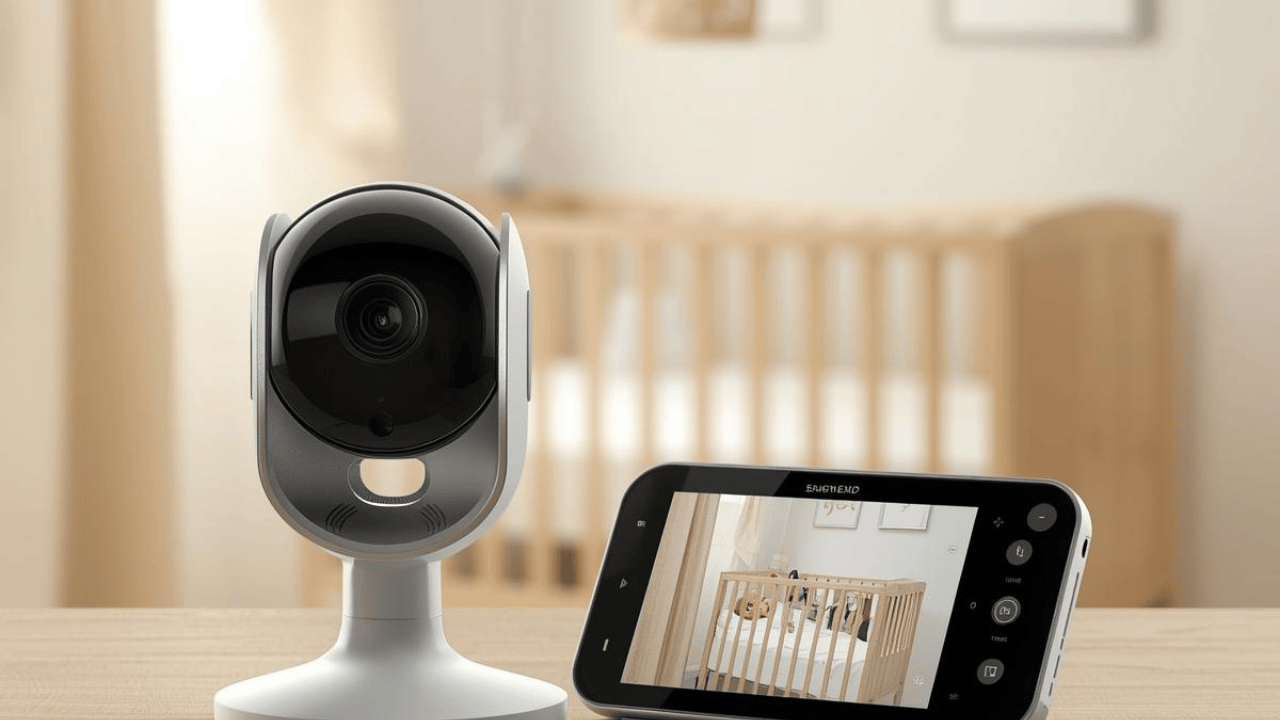
As a parent, keeping your baby safe is always a top priority. Infant monitoring devices, commonly called baby monitors, have become a popular tool for parents across the USA. These devices allow you to keep an eye or ear on your baby even when you are in another room. But how exactly do these devices work? In this article, we will explore the types of infant monitors, how they function, and why they are so useful for parents.
What Are Infant Monitoring Devices?
Infant monitoring devices are electronic tools that let parents keep track of their baby’s activities and health from another room. They provide peace of mind, alerting parents if their baby needs attention. Most monitors track sounds, movements, or vital signs, while advanced models include video cameras and temperature sensors. These devices are especially helpful for newborns or babies who struggle with sleep, allowing parents to rest while still monitoring their little one safely and conveniently.
Types of Infant Monitors
There are several types of infant monitors, each with unique features. Understanding these types can help parents choose the best option for their home and family needs.
-
Audio Monitors: Audio monitors are the most basic type of baby monitors. They allow parents to hear their baby from another room. These devices typically include a transmitter placed near the baby and a receiver held by the parent. When the baby cries, coos, or makes noises, the sound is transmitted to the parent’s device. Audio monitors are simple to use and do not require internet connections. They are reliable for small homes where the parent and baby are close to each other. Some audio monitors even have features like volume control and sound sensitivity adjustments.
-
Video Monitors: Video monitors take baby monitoring to the next level by allowing parents to see their baby as well as hear them. These monitors use a camera placed near the crib and a screen on the parent’s side. Modern video monitors often come with night vision, which helps parents see their baby clearly in low-light conditions. Many video monitors also have two-way communication. This means parents can talk to their baby through the monitor, which can be comforting for both. Some models even allow parents to pan, tilt, or zoom the camera remotely.
-
Movement Monitors: Movement monitors are designed to track a baby’s movements while they sleep. These devices often come with a sensor pad placed under the baby’s mattress. The sensor detects the baby’s motion and sends alerts to the parent if no movement is detected for a certain period. This type of monitor is particularly useful for newborns and infants at risk of sleep apnea. Movement monitors provide an extra layer of safety, as they alert parents to changes in the baby’s breathing or position.
-
Smart Monitors: Smart monitors are the newest type of infant monitors. They connect to smartphones and other smart devices. These monitors can track the baby’s sleep patterns, breathing, temperature, and even heart rate. They often come with apps that send real-time alerts and summaries to parents. Smart monitors are ideal for parents who like to use technology to manage their baby’s care. They offer convenience, detailed information, and even tips for improving sleep and safety.
How Infant Monitors Work
Although each type of infant monitor has unique features, most devices work using similar principles. Here’s a closer look at how these devices function:
Sound Transmission
For audio and video monitors, the main function is sound transmission. The monitor near the baby contains a microphone that picks up sounds. These sounds are then transmitted through radio waves or Wi-Fi to the parent’s receiver. Parents can adjust the sensitivity so that even soft noises, like a baby’s whimper, can be heard.
Video Streaming
Video monitors capture images using a small camera near the crib. The video signal is transmitted to a screen or smartphone. Many monitors use Wi-Fi or radio frequency for video transmission. Advanced models also use encryption to protect the video feed, ensuring privacy and security.
Movement Detection
Movement monitors use sensor pads that detect vibrations or pressure changes from the baby’s movements. If the baby stops moving for a certain time, the monitor sends an alert. Some monitors use wearable devices, like small wristbands or socks, to track movement and vital signs.
Smart Features
Smart monitors combine multiple functions. They often use sensors and cameras to track sleep, breathing, and temperature. The data is sent to a smartphone app where parents can monitor trends and receive alerts. Many smart monitors also integrate with voice assistants, allowing parents to check on their baby hands-free.
Choosing the Right Infant Monitor
When choosing an infant monitor, parents should consider factors such as:
-
The size of the home
-
Desired features (audio, video, movement, or smart)
-
Connectivity options (Wi-Fi or radio frequency)
-
Budget
-
Reliability and brand reputation
Working with trusted baby monitor manufacturers can ensure the device meets safety standards and provides reliable performance.
Conclusion
Infant monitoring devices are valuable tools for parents in the USA. They provide comfort, safety, and convenience by allowing parents to hear, see, and track their baby from another room. From basic audio monitors to advanced smart monitors, there is a device suitable for every family. By understanding how these devices work and choosing the right one, parents can enjoy peace of mind while keeping their baby safe and happy.