


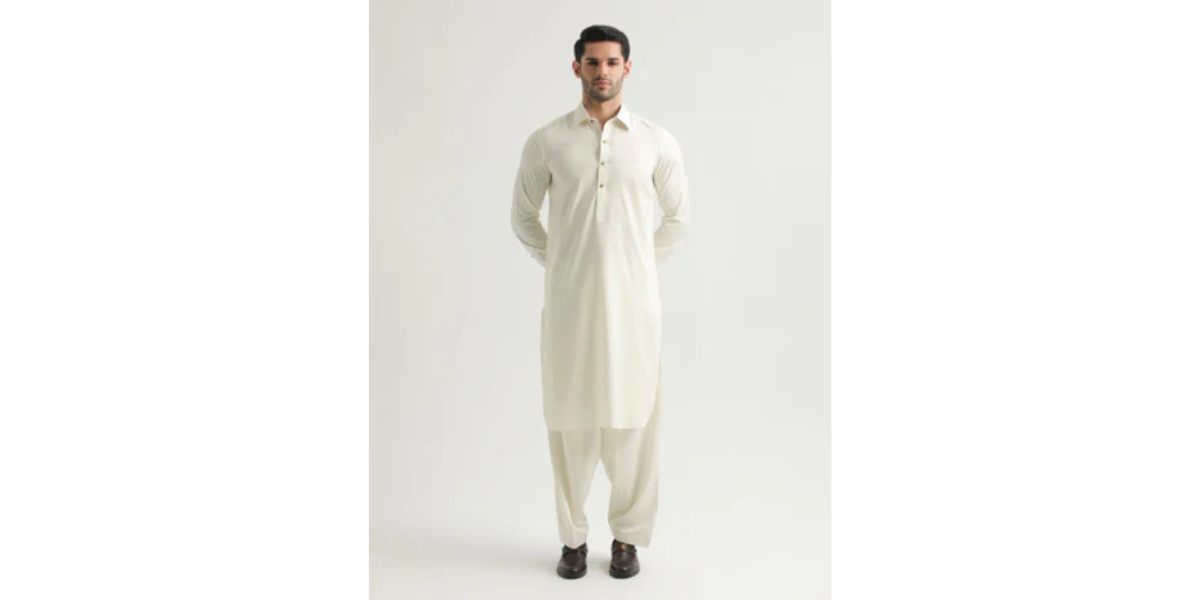
Have you ever bought a Shalwar Kameez that looked good in the shop but didn’t feel right when you wore it? Maybe the fabric felt heavy, the fitting looked awkward, or the color didn’t suit your personality. Many men face this problem. They love wearing Shalwar Kameez, but they don’t always know how to choose the right one.
This guide will help you understand Shalwar Kameez from a practical, lifestyle-focused angle — how to choose it smartly, wear it confidently, and build a strong personal style around it.
Why Shalwar Kameez Still Dominates Men’s Fashion
Fashion trends change every year. But Shalwar Kameez never goes out of style. Why?
Because it offers three powerful benefits:
-
Comfort for long hours
-
Respectable and modest appearance
-
Cultural identity
Especially in Pakistan, Shalwar kameez for men is worn in offices, markets, weddings, Friday prayers, and family gatherings. It works for almost every situation.
Unlike tight jeans or formal suits, it allows your body to move freely. That’s why many professionals, businessmen, and students prefer it daily.
Understanding the Structure of Shalwar Kameez
To choose better, you must understand the outfit properly.
1. Kameez (Upper Part)
-
Long shirt
-
Can be straight cut or slightly loose
-
May include collar variations (band collar, simple neckline)
2. Shalwar (Lower Part)
-
Traditional loose trousers
-
Gathered at waist
-
Comfortable for walking and sitting
When both pieces are balanced in size and proportion, Shalwar Kameez men styles look elegant and confident.
How to Choose the Right Shalwar Kameez for Your Body Type
Many men ignore body shape. This is a big mistake.
If You Are Slim
-
Avoid extremely loose styles
-
Choose slightly tailored cuts
-
Light colors enhance your look
If You Are Healthy or Broad
-
Avoid very tight slim fits
-
Choose medium straight cut
-
Dark colors create a sharp appearance
If You Are Tall
-
Standard knee-length works well
-
Avoid very short kameez
If You Are Short
-
Slightly shorter kameez improves proportion
-
Avoid overly wide shalwar
Choosing according to body type improves confidence instantly.
Fabric Guide: Comfort Comes First
Fabric is more important than design. A stylish outfit with poor fabric will never feel comfortable.
Summer Fabrics
-
Cotton
-
Wash and wear
-
Lawn blends
These allow airflow and reduce sweating.
Winter Fabrics
-
Khaddar
-
Linen
-
Blended wool
They provide warmth without losing shape.
If you are buying shalwar kameez for men in Pakistan, always check fabric thickness according to weather. Pakistan’s climate changes significantly between regions, so fabric choice matters.
Ready-Made vs Tailor-Made: Which Is Better?
This is a common confusion.
Ready-Made
✔ Convenient
✔ Time-saving
✔ Good for quick purchases
✘ May not fit perfectly
Tailor-Made
✔ Custom fitting
✔ Fabric choice freedom
✔ Better finishing
✘ Takes time
For weddings or important events, tailoring is usually the smarter option. For daily wear, ready-made can work well if the size fits correctly.
Color Psychology in Shalwar Kameez
Colors speak before you do.
White
-
Symbol of purity
-
Perfect for religious events
-
Very popular in Pakistan
Black
-
Strong and formal
-
Ideal for evening events
Navy & Dark Blue
-
Modern and professional
-
Great for office wear
Beige & Light Grey
-
Calm and sophisticated
-
Good for daily use
Choosing the right color makes Shalwar Kameez men outfits look intentional, not random.
Styling Tips That Make a Big Difference
You don’t need expensive brands to look stylish. Small details matter.
1. Proper Ironing
Wrinkles reduce elegance instantly.
2. Clean Footwear
Peshawari chappals or loafers must be clean and polished.
3. Simple Accessories
A decent watch improves overall personality.
4. Add a Waistcoat for Formal Events
This transforms a simple outfit into a wedding-ready look.
Mistakes to Avoid When Buying
Many men waste money because of these errors:
-
Buying cheap fabric that fades quickly
-
Ignoring shoulder fitting
-
Choosing trendy colors that don’t suit personality
-
Not checking stitching quality
Smart buying saves money in the long run.
Building a Practical Wardrobe
Instead of buying random pieces, build a balanced collection:
-
2–3 daily wear sets
-
1 white set
-
1 dark formal set
-
1 winter heavy fabric set