



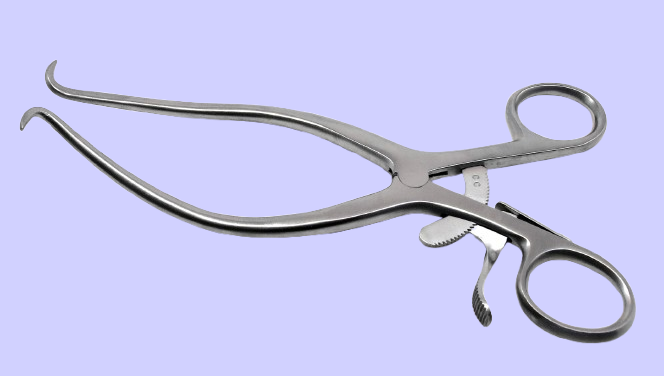
A skin retractor is one of the most essential tools in modern surgical practice. Surgeons rely on it to hold skin and soft tissues apart, ensuring clear visibility and precise access to the surgical site. Because accuracy and control matter in every procedure, the role of a skin retractor becomes critical across multiple medical specialties. At Davicon Surgical, we focus on delivering high-quality surgical instruments that support safety, efficiency, and optimal outcomes.
This in-depth guide explains everything you need to know about the skin retractor, including its uses, names, types, forceps variations, self-retaining options, and even drawing concepts used in medical education.
What Is a Skin Retractor?
A skin retractor is a surgical instrument designed to gently pull back skin, muscles, or tissues during a procedure. By doing so, it creates a clear operating field and allows surgeons to work with greater precision. Unlike cutting tools, retractors focus on exposure rather than incision, which significantly reduces tissue trauma.
Because surgeons use a skin retractor in both minor and major operations, its design emphasizes strength, comfort, and control. Moreover, manufacturers craft these instruments from high-grade stainless steel to ensure durability and sterility.
Importance of Skin Retractor in Surgery
A skin retractor in surgery improves workflow and patient safety. First, it keeps the incision open without constant manual handling. Second, it minimizes unnecessary tissue damage. Third, it enhances visibility, which reduces surgical time and improves accuracy.
Additionally, surgeons can focus fully on the procedure instead of managing tissue exposure. Therefore, the skin retractor plays a direct role in improving surgical outcomes.
Common Skin Retractor Uses
Skin retractor uses vary across medical fields. However, their primary purpose remains consistent: maintaining a clear surgical field.
Key skin retractor uses include:
- Holding back skin during general and cosmetic surgery
- Exposing underlying tissues in orthopedic procedures
- Supporting delicate work in neurosurgery
- Assisting wound exploration and closure
- Improving access during emergency procedures
Because of these advantages, surgeons consider the skin retractor a standard instrument in operating rooms worldwide.
Skin Retractor Name and Terminology
The skin retractor name often changes based on design and application. Surgeons and medical students should understand these variations to ensure proper instrument selection.
Common skin retractor names include:
- Skin hook retractor
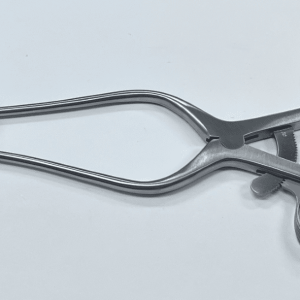
- Self-retaining retractor
- Handheld skin retractor
- Skin retractor forceps
Each skin retractor name reflects its specific structure and function. Therefore, knowing the correct terminology helps improve communication in surgical teams.
Skin Retractor Surgery Applications
Skin retractor surgery applications cover a wide range of procedures. Surgeons use them in general surgery, plastic surgery, ENT operations, and gynecological interventions.
In skin retractor surgery, proper placement ensures consistent tension without causing tissue injury. Moreover, the right retractor size allows controlled exposure while maintaining patient comfort. As a result, surgeons often choose different retractors depending on incision depth and location.
Skin Retractor Types Explained
Understanding skin retractor types helps surgeons select the best instrument for each procedure. Every type offers unique benefits depending on surgical needs.
Common skin retractor types include:
- Handheld retractors for manual control
- Self retractor designs for hands-free operatio
- Skin hook retractors for delicate tissue handling
- Adjustable retractors for variable exposure
Each of these skin retractor types supports specific surgical goals. Consequently, having multiple options available improves surgical efficiency.
Skin Retractor Forceps and Their Role
Skin retractor forceps combine gripping and retracting functions in one tool. Surgeons use them to hold tissue securely while maintaining consistent retraction.
These instruments work especially well in procedures requiring frequent adjustments. Furthermore, skin retractor forceps reduce the need for multiple tools, which streamlines the surgical process and saves time.
Skin Hook Retractor Uses in Detail
Skin hook retractor focuses on precision and delicacy. These retractors feature sharp or blunt hooks that gently lift the skin without excessive pressure.
Typical skin hook retractor uses include:
- Plastic and cosmetic surgery
- Minor dermatological procedures
- Facial and reconstructive operations
- Pediatric surgeries requiring fine control
Because of their design, skin hook retractors help minimize trauma while maximizing visibility.
Self Retractor: Hands-Free Efficiency
A self retractor holds tissues apart without manual assistance. Once positioned, it maintains constant tension throughout the procedure.
Benefits of a self retractor include:
- Reduced reliance on surgical assistants
- Consistent exposure during long procedures
- Improved surgeon focus and comfort
Therefore, many surgeons prefer a self retractor for extended operations where stability matters most.
Skin Retractor Drawing in Medical Education
A skin retractor drawing plays an important role in surgical training. Medical textbooks and lectures often use detailed illustrations to explain placement, angles, and technique.
A clear skin retractor drawing helps students understand:
- Proper positioning during surgery
- Interaction with surrounding tissues
- Differences between retractor types
As a result, drawings support both learning and safe clinical practice.
Materials and Quality Standards
High-quality skin retractors use medical-grade stainless steel. This material resists corrosion, supports repeated sterilization, and maintains structural integrity.
At Davicon Surgical, we ensure every skin retractor meets strict quality standards. Because reliability matters in surgery, precision manufacturing remains our top priority.
Choosing the Right Skin Retractor
Selecting the right skin retractor depends on several factors. Surgeons consider incision size, tissue type, procedure duration, and required visibility.
Key selection tips include:
- Choose lightweight designs for short procedures
- Select self-retaining options for long surgeries
- Use skin hook retractors for delicate tissues
- Match retractor size to incision depth
By following these guidelines, surgeons achieve better control and safer outcomes.
Maintenance and Sterilization
Proper care extends the life of a skin retractor. After every procedure, thorough cleaning and sterilization are essential. Additionally, regular inspection ensures the instrument remains free from damage.
Consistent maintenance protects both patients and surgical teams while preserving instrument performance.
Final Thought’s
A skin retractor remains a fundamental instrument in modern surgery. From basic procedures to complex operations, it ensures visibility, precision, and efficiency. By understanding skin retractor uses, names, surgery applications, types, forceps variations, and self retractor benefits, surgeons can make informed decisions in the operating room. At Davicon Surgical, we provide reliable, high-quality skin retractors designed to meet the demands of today’s surgical professionals.
FAQs About Skin Retractor
What is the main purpose of a skin retractor?
A skin retractor holds skin and tissues apart to improve visibility and access during surgery.
What are common skin retractor types?
Common skin retractor types include handheld retractors, self retractors, and skin hook retractors.
Where are skin hook retractor uses most common?
Skin hook retractor uses are common in cosmetic, dermatological, and reconstructive surgeries.
What is a self retractor used for?
A self retractor provides hands-free tissue retraction during long or complex procedures.
Why is skin retractor drawing important in education?
A skin retractor drawing helps students understand placement, technique, and safe usage.
Which material is best for a skin retractor?
Medical-grade stainless steel offers durability, safety, and long-term reliability.
Shop Online : Davicon Surgical