



Texas heat is no joke especially in Lott, Texas, where summer temperatures can climb fast and stay high for weeks. As responsible poultry owners, we understand that keeping our flock safe and comfortable is not optional it is essential. Proper Texas summer chicken care protects egg production, prevents heat stress, and keeps birds healthy all season long.
In this guide, we share practical, field tested strategies to keep chickens cool in extreme heat. From improving airflow in Chicken coops to working with professional Chicken coop builders Texas, we cover everything you need to protect your flock.
Why Texas Summer Chicken Care Is Critical
Chickens tolerate mild warmth, but once temperatures rise above 90°F, they struggle. When it crosses 100°F—which is common in Central Texas heat stress becomes dangerous.
Signs of overheating include:
-
Panting with open beaks
-
Wings held away from the body
-
Lethargy
-
Reduced egg production
-
Pale combs
If ignored, heat exhaustion can become fatal. That’s why proactive Texas summer chicken care must begin before peak heat arrives.
Start with Smartly Designed Chicken Coops
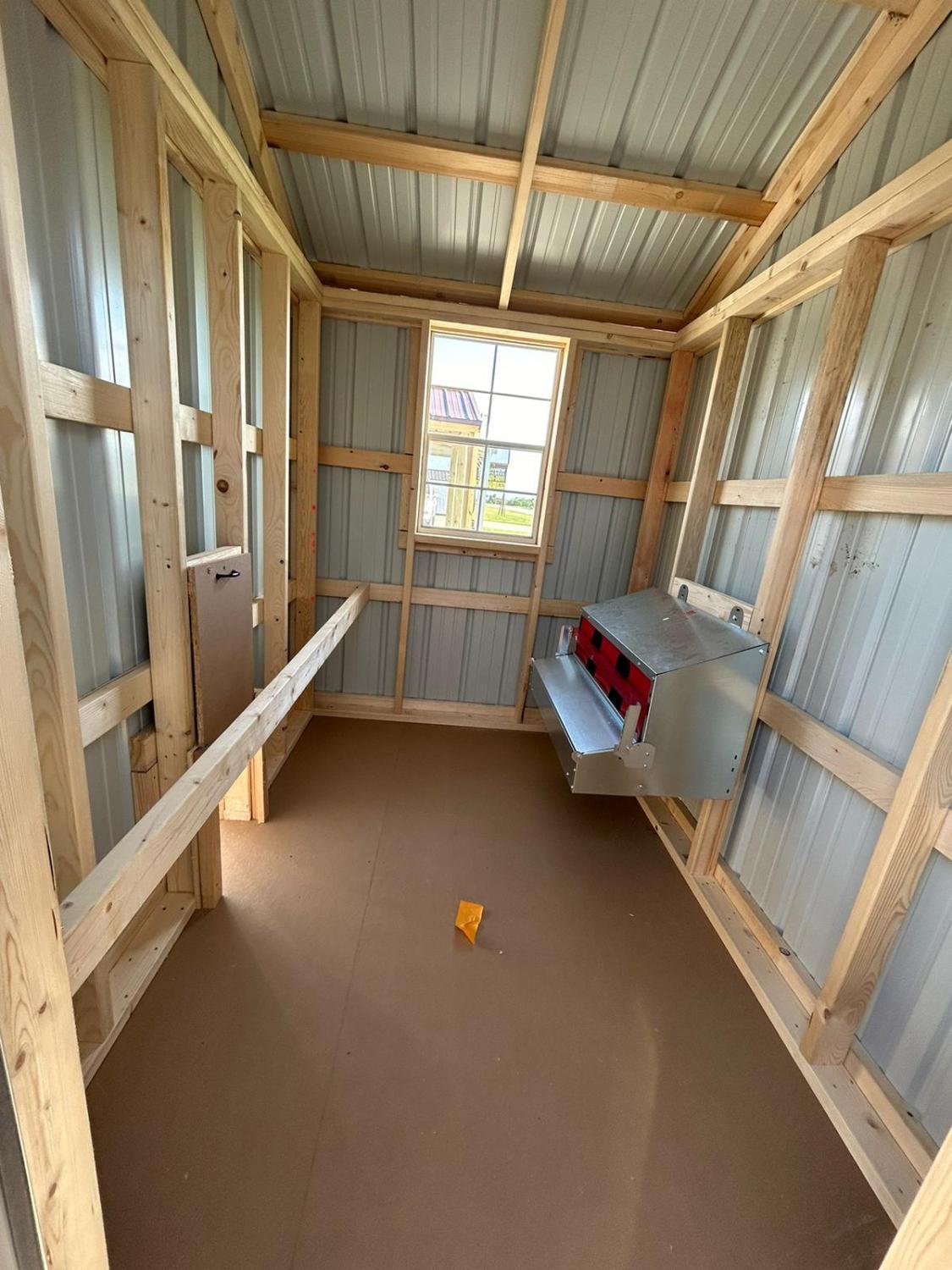
The first line of defense is proper housing. Not all Chicken coops are built for Texas weather. Poor ventilation, low ceilings, and dark roofing materials trap heat inside and create oven like conditions.
Key Features of Summer Ready Chicken Coops
We recommend coops that include:
-
Large ventilation openings
-
Hardware cloth instead of solid walls
-
High ceilings for heat rise
-
Reflective or light colored roofing
-
Proper orientation away from direct afternoon sun
If your current structure lacks airflow, consider upgrades. Many experienced Chicken coop builders Texas design structures specifically for hot climates. They understand regional weather patterns and use materials suited for extreme heat.
A professionally built coop makes a massive difference in daily temperature control.
Ventilation: The Most Important Factor
Air movement is everything. Even shade alone will not protect chickens without airflow.
Improve Natural Ventilation
-
Install additional vents near the roofline
-
Use gable vents on both ends
-
Replace solid panels with mesh sections
Cross-breeze design allows hot air to escape and cooler air to circulate.
Add Mechanical Airflow
In extreme heat waves, we recommend:
-
Solar powered fans
-
Box fans mounted safely outside reach
-
Small barn circulation fans
Fans do not cool the air, but they help evaporative cooling and reduce stagnant heat buildup.
Provide Deep, Reliable Shade
Shade reduces ground temperature significantly. Chickens instinctively seek shaded areas during peak sun.
Ways to Create Effective Shade
-
Plant fast growing trees near runs
-
Install shade cloth (70% density works well)
-
Add lean to extensions on the west facing side
-
Use metal roof overhangs
When designing new Chicken coops, we always suggest positioning the run under partial tree coverage whenever possible.
Cold, Fresh Water Always Available
Hydration is the foundation of proper Texas summer chicken care. Chickens drink far more water during heat waves.
Best Practices for Summer Hydration
-
Provide multiple water stations
-
Use large capacity waterers
-
Refresh water twice daily
-
Add frozen water bottles to containers
-
Place waterers in shaded areas
Electrolyte supplements can help during extreme heat spikes. However, always follow safe usage guidelines.
Cool Treats That Help Regulate Body Temperature
Certain foods support cooling from within. We recommend offering chilled or water rich treats in moderation.
Safe Summer Treat Options
-
Frozen watermelon chunks
-
Chilled cucumbers
-
Leafy greens rinsed in cold water
-
Frozen corn kernels
Avoid overfeeding treats. Balanced feed should remain the primary diet.
Adjust Feeding Schedules During Heat Waves
Chickens generate internal heat while digesting. Feeding at the wrong time increases stress.
Smart Feeding Strategy
-
Feed early morning
-
Offer small portions in late evening
-
Avoid heavy feeding mid afternoon
This reduces metabolic heat production during peak temperatures.
Dust Baths and Cooling Areas
Chickens regulate temperature naturally through dust bathing. Provide dry, loose soil in shaded areas.
We recommend creating:
-
Shaded sand pits
-
Loose dirt patches under trees
-
Covered dust bath boxes
Some owners lightly dampen soil to create evaporative cooling, but avoid turning it muddy.
Use Frozen Blocks for Coop Cooling
An affordable and effective trick is placing frozen gallon jugs inside the coop during heat waves. As ice melts, it cools surrounding air slightly.
Position frozen containers near roosting bars in the afternoon. Replace daily during extreme heat periods.
Roof and Insulation Upgrades
Metal roofs are common in Texas but can trap heat. To reduce heat transfer:
-
Install radiant barrier foil
-
Add roof insulation
-
Use reflective coatings
-
Extend roof overhangs
Many professional Chicken coop builders Texas incorporate insulated roof systems when building custom poultry shelters.
If you are planning a new coop, investing in proper roofing is one of the best long term decisions for flock health.
Reduce Overcrowding in Chicken Coops
Overcrowding increases body heat concentration.
We recommend:
-
Minimum 4 square feet per bird inside
-
8–10 square feet per bird in the run
More space equals better airflow and less heat buildup.
Emergency Heat Wave Action Plan
When temperatures exceed 105°F:
-
Add extra fans
-
Mist shaded ground areas lightly
-
Increase water refill frequency
-
Remove unnecessary coop panels
-
Monitor birds every 2–3 hours
If a chicken shows severe distress:
-
Move to shaded, ventilated area
-
Cool feet in shallow lukewarm water
-
Offer electrolyte water
Never use ice cold shock methods.
When to Upgrade with Chicken Coop Builders Texas
If your coop struggles every summer, it may be time to rebuild. Experienced Chicken coop builders Texas understand how to design structures suited for our climate in Lott and surrounding areas.
Custom built Chicken coops can include:
-
Elevated foundations
-
Ventilated ridge caps
-
Solar fan systems
-
Extended covered runs
-
Heat reflective roofing
A well designed coop reduces stress for both birds and owners.
Long Term Texas Summer Chicken Care Strategy
We believe success comes from combining:
-
Smart coop design
-
Reliable ventilation
-
Constant hydration
-
Shade management
-
Proper feeding adjustments
By implementing these steps, we maintain strong egg production and protect our flock year after year.
Texas summers are intense but with preparation, they are manageable.
FAQs
Q1. How hot is too hot for chickens in Texas?
Anything above 90°F requires heat management. Above 100°F demands active cooling strategies.
Q2. Do fans really help in Chicken coops?
Yes. While they do not lower temperature directly, they improve airflow and reduce heat stress significantly.
Q3. Should we close vents at night?
No. Summer ventilation should remain open unless predators are a concern. Use hardware cloth for safety.
Q4. Is misting chickens safe?
Direct misting is not recommended. Lightly mist shaded ground areas instead.
Q5. Can coop color affect heat levels?
Yes. Light colored roofing reflects sunlight and reduces heat absorption.
Final Thoughts
Keeping chickens cool in Lott, Texas requires attention, planning, and proper infrastructure. Strong ventilation, shaded environments, cold water access, and thoughtfully designed Chicken coops make all the difference. When needed, working with professional Chicken coop builders Texas ensures your setup is built specifically for our climate.