
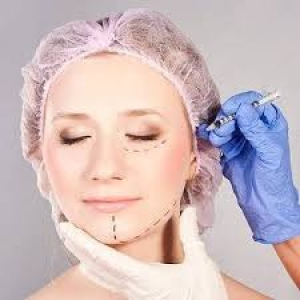

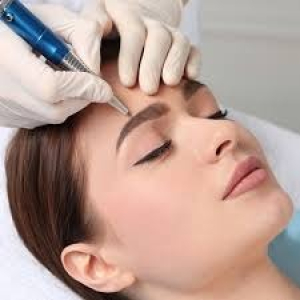
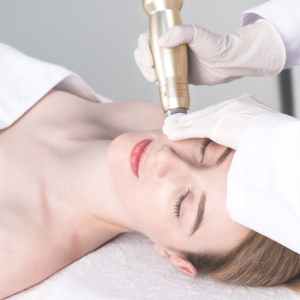

Uneven skin pigmentation is a common skin concern that affects many individuals, causing areas of the skin to appear darker or lighter than the surrounding tissue. This can be due to sun exposure, hormonal changes, aging, or post-inflammatory responses from acne or other skin conditions. One of the most effective treatments for correcting these pigmentation issues is chemical peels. Chemical Peels in Islamabad are becoming increasingly popular among people seeking brighter, smoother, and more even-toned skin. By targeting the outer layers of the skin, chemical peels can help reduce discoloration, fade dark spots, and promote a radiant complexion. In this article, we explore how chemical peels work, their benefits, risks, and what you can expect during and after treatment.
How Do Chemical Peels Work on Uneven Skin Pigmentation?
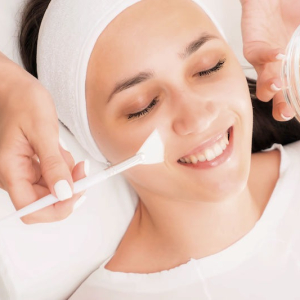
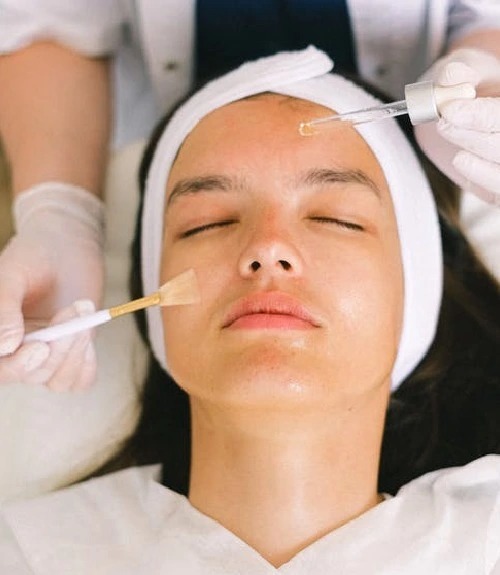
Chemical peels involve the application of a solution containing acids that exfoliate the top layers of the skin. Depending on the type of peel—superficial, medium, or deep—the solution penetrates varying depths to target damaged skin cells and promote regeneration.
-
Superficial peels use mild acids like glycolic or lactic acid and are ideal for minor pigmentation issues.
-
Medium peels use trichloroacetic acid (TCA) and address more noticeable dark spots, sun damage, and mild scarring.
-
Deep peels penetrate the lower dermis and are reserved for severe pigmentation or extensive sun damage.
By removing damaged skin layers and stimulating collagen production, chemical peels can gradually even out skin tone and reduce hyperpigmentation.
What Types of Skin Pigmentation Can Chemical Peels Treat?
Chemical peels are versatile and can address a range of pigmentation problems, including:
-
Melasma: Brown or gray-brown patches, often triggered by hormonal changes.
-
Sunspots (solar lentigines): Dark spots caused by prolonged sun exposure.
-
Post-inflammatory hyperpigmentation (PIH): Dark marks left after acne or injuries.
-
Freckles and age spots: Small brown spots due to genetics or sun damage.
While chemical peels are highly effective for superficial pigmentation, severe or resistant cases may require combined treatments such as laser therapy or topical prescription creams.
Are Chemical Peels Safe for All Skin Types?
One common concern is whether chemical peels are suitable for different skin tones and types. Generally:
-
Fair to medium skin tones respond well to most chemical peels, with minimal risk of discoloration.
-
Darker skin tones require careful selection of peel type and concentration to avoid post-inflammatory hyperpigmentation.
-
Sensitive skin may benefit from superficial peels, which are gentler and involve less downtime.
A professional consultation with a certified dermatologist or aesthetic clinic is essential to determine the most appropriate peel and minimize potential risks.
Comparison Table: Types of Chemical Peels and Their Benefits
| Peel Type | Depth | Suitable Skin Concerns | Downtime | Frequency |
|---|---|---|---|---|
| Superficial | Epidermis | Minor pigmentation, uneven tone | 1–3 days | Every 2–4 weeks |
| Medium | Upper dermis | Sun damage, melasma, acne scars | 7–10 days | Every 4–6 weeks |
| Deep | Lower dermis | Severe hyperpigmentation, deep wrinkles | 2–3 weeks | One-time or rare repeat |
This table helps you understand which chemical peel may be best suited for your skin concerns and lifestyle.
How Long Does It Take to See Results From Chemical Peels?
The timeline for visible improvement depends on the type of peel and severity of pigmentation:
-
Superficial peels: Noticeable results after 2–4 sessions, with gradual brightening of skin tone.
-
Medium peels: Significant improvement in pigmentation after 1–2 sessions, with more pronounced exfoliation and renewal.
-
Deep peels: Dramatic results, often after a single session, but require longer recovery.
Consistency and adherence to post-treatment care are key to achieving lasting outcomes.
What Is the Recovery Process Like?
Recovery varies based on peel depth:
-
Superficial peels: Mild redness or flaking for 1–3 days, minimal interruption to daily life.
-
Medium peels: Redness, swelling, and peeling for up to 10 days.
-
Deep peels: Intense redness, peeling, and swelling for 2–3 weeks; temporary protection from sunlight is crucial.
Moisturizers, gentle cleansers, and broad-spectrum sunscreen are vital during recovery to protect the renewed skin.
FAQs About Chemical Peels and Pigmentation
Can Chemical Peels Completely Remove Dark Spots?
Chemical peels significantly reduce the appearance of dark spots and uneven pigmentation but may not remove them entirely, especially if they are deep-seated. Combining peels with topical treatments or laser therapy often yields the best results.
How Often Should I Get a Chemical Peel for Pigmentation?
Frequency depends on the peel type: superficial peels can be done every 2–4 weeks, medium peels every 4–6 weeks, and deep peels are usually one-time treatments. A skincare professional will create a personalized schedule based on your skin condition.
Are Chemical Peels Painful?
Most patients experience mild tingling or warmth during the procedure. Topical numbing creams can be applied for comfort, especially for medium or deep peels.
Can I Combine Chemical Peels With Other Treatments?
Yes, chemical peels can be safely combined with microneedling, laser therapy, or prescription topical treatments to enhance results. However, spacing treatments correctly is crucial to avoid irritation.
Is Sun Exposure a Concern After a Peel?
Absolutely. Freshly peeled skin is highly sensitive to UV rays. Daily use of broad-spectrum sunscreen and avoiding direct sun exposure is critical to prevent new pigmentation from forming.
Reviews: What Our Clients Say
"I struggled with melasma for years. After a series of superficial chemical peels at the clinic, my skin tone looks more even, and dark patches are noticeably lighter. The process was comfortable, and the staff guided me through every step."
"I opted for a medium peel to address sunspots and uneven tone. The results were impressive after just one session. My skin feels smoother and looks brighter. Highly recommend consulting a professional before trying at home."
"Initially, I was worried about downtime, but superficial peels were gentle and effective. My acne marks have faded, and my complexion looks fresh. The team ensured I followed proper aftercare."
Conclusion: Are Chemical Peels Effective for Pigmentation?
Chemical peels offer a proven, safe, and effective method to reduce uneven skin pigmentation. By exfoliating damaged skin layers, stimulating collagen production, and encouraging cell turnover, peels can significantly improve skin tone and clarity. While results vary depending on peel type, skin condition, and aftercare, many patients report noticeable improvements in brightness and evenness. Consulting a qualified dermatologist or aesthetic clinic ensures the right peel choice and safe treatment tailored to your needs.
Contact Us
If you are looking to improve your skin tone and address pigmentation concerns, our expert team is here to help. Reach out to schedule a consultation and discover the best chemical peel treatment for your skin type.
Address : Office Number LG 20 - 21 Interlace Plaza I-8 Markaz Islamabad
Phone : +92 333 5705871
Email : info@glamorousclinic.com.pk
Link : https://www.glamorousclinic.com.pk/