




Introduction
A waterproofing specialist plays a vital role in protecting buildings from water damage. Companies like Allseal Waterproofing PTE Ltd use a systematic approach to detect and repair leaks effectively. By following professional waterproofing procedures, specialists ensure long-lasting protection for homes, offices, and commercial buildings.
Why Professional Leak Repair Is Important
Water leaks can cause serious structural problems if they are not repaired correctly. What may begin as a small damp patch can eventually lead to ceiling leakage, wall seepage, mold growth, and concrete deterioration.
Moisture can travel through hidden pathways inside a building. Because of this, the visible leak is often not the true source of the problem.
A trained waterproofing specialist understands how water moves through building structures. By using professional inspection techniques and proper waterproofing materials, specialists can repair leaks and prevent them from returning.
Experts from Allseal Waterproofing PTE Ltd follow a structured process to ensure that leaks are repaired thoroughly and safely.
Understanding the Causes of Water Leaks
Before fixing a leak, it is important to understand why leaks occur in the first place. Water intrusion can result from several issues within a building.
Roof Waterproofing Failure
Roofs are constantly exposed to rain and sunlight. Over time, waterproof membranes may deteriorate, allowing water to penetrate the concrete slab.
Structural Cracks
Small cracks in walls or ceilings can allow water to enter the building structure. These cracks may develop due to aging materials or environmental stress.
Bathroom Waterproofing Damage
Bathrooms are exposed to frequent water usage. If the waterproofing beneath tiles fails, water may leak to lower floors.
Balcony and Terrace Leakage
Outdoor surfaces often experience heavy rainfall. Cracks in tiles or damaged grout lines may allow water infiltration.
A professional waterproofing specialist carefully examines these areas to identify the real cause of leaks.
Step 1: Comprehensive Site Inspection
The first step in repairing a leak is a detailed inspection of the affected property.
During this stage, the specialist examines areas where water intrusion commonly occurs. These areas include:
- Roof surfaces
- Exterior walls
- Bathrooms and wet areas
- Balconies and terraces
- Plumbing systems
The inspection focuses on identifying visible damage, moisture stains, cracks, or structural weaknesses.
Professionals at Allseal Waterproofing PTE Ltd conduct thorough assessments to understand the full extent of the problem before recommending repair solutions.
Step 2: Leak Detection and Diagnosis
Water often travels through concrete structures before appearing as a visible leak. Because of this, accurate diagnosis is critical.
A skilled waterproofing specialist uses various techniques to locate the source of water intrusion.
These techniques may include:
- Moisture detection testing
- Visual structural evaluation
- Water flow tests
- Inspection of plumbing and drainage systems
Proper leak detection ensures that the repair targets the actual source of the problem rather than temporary symptoms.
Step 3: Identifying the Appropriate Waterproofing Method
Once the leak source has been identified, the next step is selecting the correct waterproofing method.
Different areas require different waterproofing solutions.
For example:
- Roof leaks may require waterproof membrane installation
- Wall seepage may require crack injection sealing
- Bathroom leakage may require no-hacking waterproofing treatment
Experienced contractors such as Allseal Waterproofing PTE Ltd choose solutions that provide durable protection for each specific situation.
Step 4: Surface Preparation
Proper preparation is essential for effective waterproofing.
Before applying waterproofing materials, the damaged surface must be cleaned and repaired.
Surface preparation usually includes:
- Removing loose paint or damaged plaster
- Cleaning dirt and debris
- Repairing cracks or structural defects
- Ensuring surfaces are dry and stable
A professional waterproofing specialist ensures that surfaces are properly prepared so waterproofing materials bond effectively.
Step 5: Crack Sealing and Structural Repair
Cracks are one of the most common pathways for water intrusion.
Specialists seal these cracks using advanced waterproofing materials designed to block moisture penetration.
One commonly used technique is polyurethane injection.
This method involves injecting waterproof material into cracks within the concrete structure. The material expands and forms a strong barrier that prevents water from entering.
Experienced contractors from Allseal Waterproofing PTE Ltd frequently use crack injection methods to repair structural leaks.
Step 6: Application of Waterproofing Systems
After repairing cracks and preparing surfaces, the waterproofing system is applied.
Several waterproofing solutions may be used depending on the type of leak.
Waterproof Membrane Installation
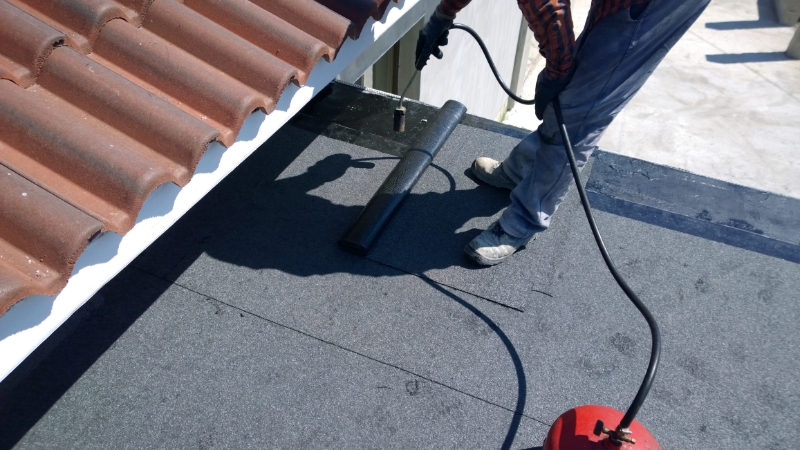
Waterproof membranes are commonly used for roofs, balconies, and terraces. These membranes create a protective barrier that prevents rainwater from penetrating the structure.
Waterproof Coatings
Protective waterproof coatings are often applied to walls and exposed surfaces. These coatings help prevent moisture penetration and increase durability.
No-Hacking Waterproofing Solutions
In areas such as bathrooms, waterproofing treatments can sometimes be applied without removing tiles.
No-hacking methods seal grout lines and tile surfaces to create a waterproof layer.
A professional waterproofing specialist selects the best waterproofing system based on the specific conditions of the building.
Step 7: Quality Inspection and Testing
Once waterproofing materials have been applied, the next step is testing the effectiveness of the repair.
Specialists conduct quality inspections to ensure that the waterproofing system is functioning correctly.
Testing may involve:
- Water ponding tests on roofs
- Moisture checks on walls
- Visual inspection of treated surfaces
Companies like Allseal Waterproofing PTE Ltd prioritize quality control to ensure reliable waterproofing results.
Step 8: Final Surface Restoration
After the waterproofing process is complete, the affected areas may require finishing work.
This may include:
- Repainting walls or ceilings
- Restoring surface coatings
- Repairing cosmetic damage
The goal is to restore the building’s appearance while maintaining the strength of the waterproofing system.
Step 9: Preventive Maintenance Advice
A professional waterproofing specialist often provides maintenance recommendations after completing repairs.
Preventive maintenance helps extend the lifespan of waterproofing systems and prevents future leaks.
Property owners may be advised to:
- Conduct regular roof inspections
- Repair small cracks quickly
- Maintain drainage systems
- Schedule periodic waterproofing assessments
Experts from Allseal Waterproofing PTE Ltd often provide guidance on maintaining waterproofing systems effectively.
Benefits of Hiring a Professional Waterproofing Specialist
Working with a professional waterproofing contractor offers several advantages.
Accurate Leak Detection
Professionals can identify hidden water sources that may not be visible during basic inspections.
Durable Waterproofing Solutions
Professional waterproofing materials provide stronger and longer-lasting protection.
Structural Protection
Proper waterproofing prevents moisture from weakening concrete structures.
Expert Knowledge
Experienced companies such as Allseal Waterproofing PTE Ltd have the knowledge and skills needed to resolve complex waterproofing problems.
Common Areas That Require Waterproofing Repairs
Waterproofing specialists often repair leaks in specific areas of a building.
Roofs
Roofs are highly exposed to rainfall and require strong waterproof membranes.
Bathrooms
Waterproofing layers beneath bathroom tiles prevent leakage between floors.
Balconies and Terraces
Outdoor areas require protective coatings to prevent rainwater infiltration.
Exterior Walls
External walls are treated with waterproof coatings to prevent seepage.
A trained waterproofing specialist can provide solutions for each of these areas.
Conclusion
A professional waterproofing specialist follows a structured process to detect leaks, repair damage, and protect buildings from water intrusion. With expert services from Allseal Waterproofing PTE Ltd, property owners can ensure durable waterproofing solutions that safeguard their structures from long-term moisture damage.