




Breast health is an essential part of a woman’s overall well-being, and early detection of breast abnormalities can save lives. If you are considering preventive measures, understanding when to schedule your first mammogram is crucial. In cities like Islamabad, many women seek expert guidance on this important screening. Mammogram in Islamabad services offer advanced imaging techniques to help detect breast issues early, ensuring timely treatment and peace of mind.In this article, we answer common questions about mammograms, who should get them, and what to expect, helping you make informed decisions about your breast health.
What Is a Mammogram and Why Is It Important?
A mammogram is a specialized X-ray of the breast used to detect early signs of breast cancer, often before symptoms appear. Regular mammograms are vital because they:
-
Detect tumors that are too small to feel.
-
Identify microcalcifications, which may indicate early cancer.
-
Help monitor breast health over time.
-
Allow timely intervention and reduce breast cancer mortality rates.
Mammograms are generally recommended for women as part of routine screening, with the frequency depending on age and risk factors.
At What Age Should I Get My First Mammogram?
The age for a first mammogram may vary depending on guidelines and individual risk factors. Generally:
-
Average-risk women: Most health authorities recommend starting at 40 years old.
-
High-risk women: Those with a family history of breast cancer, genetic predispositions (like BRCA mutations), or previous chest radiation may begin screening as early as 30 years old.
It’s important to discuss your personal risk with a healthcare provider to determine the most appropriate starting age for screening.
How Often Should I Get a Mammogram?
Screening frequency depends on age and risk:
| Age Group | Recommended Screening Interval | Notes |
|---|---|---|
| 40–49 | Every 1–2 years | Consult a doctor for personalized advice. |
| 50–74 | Every 1–2 years | Standard routine screening recommended. |
| 75+ | Based on health status | Screening may continue if life expectancy is >10 years. |
| High-risk | Annually or as advised | Includes genetic predisposition or strong family history. |
Regular mammograms help detect changes in breast tissue early, improving treatment outcomes and survival rates.
What Are the Different Types of Mammograms?
Modern mammography offers several techniques:
-
Digital Mammography: Uses digital receptors instead of film, offering better image storage and manipulation.
-
3D Mammography (Tomosynthesis): Provides a three-dimensional view of breast tissue, improving detection accuracy, especially in dense breasts.
-
Diagnostic Mammogram: Ordered when a lump or symptom is detected; more detailed than routine screening.
Choosing the right type depends on your age, breast density, and medical history.
Reviews: Experiences With Mammogram Services in Islamabad
Many women in Islamabad have shared positive experiences regarding mammogram services:
-
Patient-friendly procedures: Staff are trained to ensure comfort and reduce anxiety during the scan.
-
Advanced technology: Clinics often offer digital and 3D mammography for more precise results.
-
Quick reporting: Many centers provide results within 24–48 hours.
Are Mammograms Safe?
Mammograms use low-dose X-rays, which are generally considered safe for routine screening. The benefits of early detection far outweigh the minimal risks associated with radiation exposure. Key points include:
-
Radiation exposure from a mammogram is very low, roughly equivalent to a few months of natural background radiation.
-
Pregnant women are advised to discuss alternatives with their doctor.
-
Technological advances have further minimized radiation doses while improving image quality.
Healthcare providers ensure safety protocols are followed, making mammograms a safe screening tool for women.
What Should I Expect During My First Mammogram?
Knowing what to expect can help reduce anxiety:
-
Preparation: Avoid deodorants, perfumes, or lotions on the day of the scan.
-
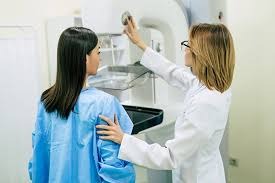
Procedure: The breast is placed on a platform and gently compressed while X-rays are taken.
-
Duration: Each scan takes about 15–30 minutes.
-
Comfort Tips: Some discomfort may occur due to compression, but it is temporary. Relaxing and following the technician’s instructions can help.
After the scan, a radiologist reviews the images and provides a report, usually within a couple of days.
Who Should Consider Getting a Mammogram Earlier?
Certain conditions warrant earlier or more frequent screenings:
-
Family history of breast or ovarian cancer.
-
Known genetic mutations (BRCA1, BRCA2).
-
Previous chest radiation exposure.
-
History of abnormal breast biopsies.
Consulting a specialist can help create a personalized screening schedule to ensure early detection and effective monitoring.
Common Myths About Mammograms
There are misconceptions that can deter women from screening:
-
Myth: Mammograms are extremely painful.
Fact: Some discomfort may occur, but pain is usually minimal and brief. -
Myth: Mammograms cause cancer.
Fact: The radiation dose is very low and the benefits outweigh the risks. -
Myth: Young women don’t need mammograms.
Fact: While routine screening often starts at 40, high-risk younger women should consult their doctor.
Educating yourself about mammograms helps overcome fear and promotes proactive breast health.
Quick Facts About Mammograms
| Feature | Details |
|---|---|
| Purpose | Early detection of breast cancer |
| Recommended Start Age | 40 for average-risk, 30 for high-risk |
| Types | Digital, 3D (Tomosynthesis), Diagnostic |
| Frequency | 1–2 years for routine, annually for high-risk |
| Safety | Low-dose X-ray; minimal risk |
| Duration | 15–30 minutes per session |
| Results | Usually within 1–2 days |
This table provides a snapshot of essential mammogram information for women considering their first screening.
Conclusion
Scheduling your first mammogram is a proactive step toward maintaining breast health and detecting potential issues early. Whether you are an average-risk or high-risk individual, consulting a qualified healthcare provider and establishing a personalized screening schedule is key. In Islamabad, numerous clinics provide advanced mammogram services with patient-centered care, making the process straightforward and reassuring.
Contact Us
For expert guidance and advanced mammogram in Islamabad services, reach out to our clinic today:
Address : Office Number LG 20 - 21 Interlace Plaza I-8 Markaz Islamabad
Phone : +92 333 5705871
Email : info@glamorousclinic.com.pk
Link : https://www.glamorousclinic.com.pk/