




The growth of online marketplaces has transformed how businesses operate in India. Many entrepreneurs now prefer selling products through platforms like Amazon, Flipkart, and Meesho because these platforms provide access to a large customer base without the need for a physical store. However, along with this opportunity comes the responsibility of understanding the tax structure that governs online sales. One of the most important regulations affecting e-commerce sellers today is the Goods and Services Tax, commonly known as GST.
For anyone planning to sell products online, knowing how GST works is essential for maintaining compliance and avoiding penalties. GST influences everything from registration and invoicing to tax collection and return filing. Entrepreneurs, especially beginners, often find this confusing at first. That is why many professionals choose to enhance their knowledge through practical learning programs offered by reputed training centers such as FITA Academy, where learners gain hands-on exposure to taxation concepts and accounting tools used by online sellers.
Understanding GST is not just about tax filing; it is about running an efficient and legally compliant online business. When sellers know how GST affects pricing, input tax credits, and marketplace deductions, they can make better financial decisions and grow their businesses confidently.
Understanding GST in the E-commerce Ecosystem
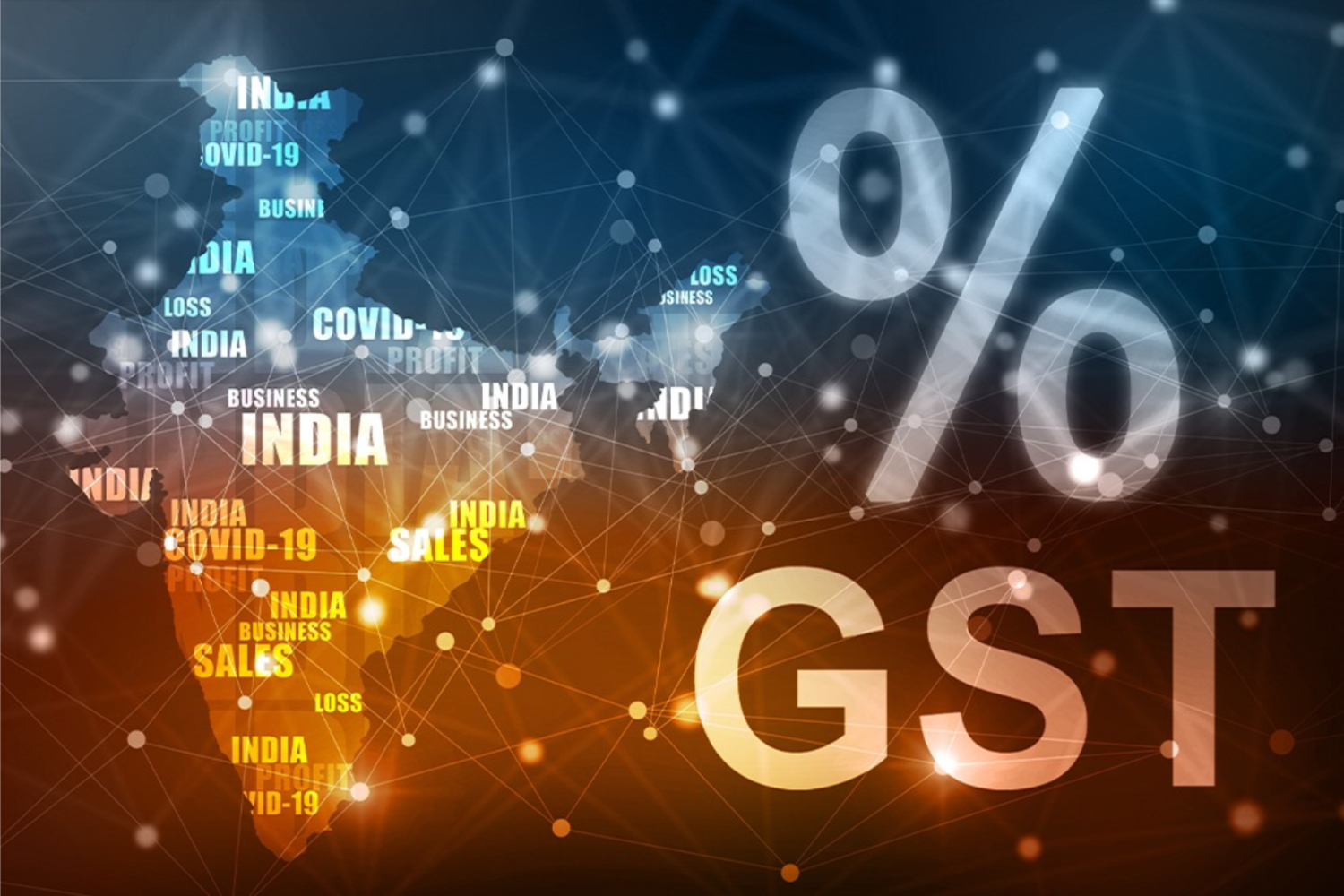
India introduced GST in 2017 to streamline and simplify its indirect tax system. Instead of multiple taxes like VAT, service tax, and excise duty, GST created a unified tax structure that applies to the supply of goods and services across the country. For online sellers, GST plays a central role because most e-commerce transactions involve interstate sales and digital invoicing.
Unlike traditional businesses, sellers operating through e-commerce marketplaces must comply with specific GST rules. The government introduced these regulations to ensure transparency and proper tax collection in online trade. As a result, sellers listing products on platforms such as Amazon or Flipkart are required to register for GST even if their turnover is relatively small.
This rule is different from offline businesses, where GST registration is mandatory only after crossing a certain turnover threshold. For online sellers, registration is usually required from the beginning because marketplaces collect tax on behalf of the government through mechanisms like Tax Collected at Source (TCS).
Understanding these regulations helps sellers avoid compliance issues and maintain smooth operations on e-commerce platforms.
Mandatory GST Registration for Online Sellers
One of the most important aspects of GST for online sellers is registration. Any individual or business planning to sell goods through an e-commerce platform must obtain a GST Identification Number (GSTIN). Without this registration, sellers may not be able to list their products or receive payments from the marketplace.
This requirement ensures that all online transactions are properly recorded and taxed. When sellers register under GST, they also gain the ability to issue GST invoices, claim input tax credit, and file returns through the government portal.
For many entrepreneurs, the registration process can initially feel complicated. It involves submitting business details, identity proof, bank information, and digital verification. However, once the process is complete, sellers can legally operate across India and reach customers in multiple states.
Learning the technical aspects of GST registration and compliance often requires professional guidance. Many aspiring entrepreneurs choose to build their accounting and taxation knowledge through programs like a GST Course in Chennai, which provides detailed training on GST laws, return filing procedures, and e-commerce tax rules. Such courses help individuals understand the practical side of GST rather than just the theoretical concepts.
Tax Collected at Source (TCS) in E-commerce
Another important concept that affects online sellers is Tax Collected at Source, or TCS. Under GST law, e-commerce operators are required to collect a small percentage of tax from sellers for every transaction processed through their platform.
For example, when a seller makes a sale through an online marketplace, the platform deducts a certain percentage of the transaction value as TCS before transferring the payment to the seller. This amount is then deposited with the government and recorded in the seller’s GST account.
Although this deduction may seem like an additional burden, it actually helps the government track online transactions more efficiently. Sellers can later claim this amount while filing their GST returns, ensuring that their tax liability is accurately calculated.
Understanding how TCS works is important for managing cash flow and maintaining accurate financial records. Sellers who fail to track these deductions properly may face difficulties during tax reconciliation.
Effect of GST on Pricing and Profit Margins
GST also influences how online sellers price their products. Since GST is included in the final price paid by customers, sellers must calculate their product costs carefully to maintain profitability.
For example, when sellers purchase raw materials or products from suppliers, they pay GST on those purchases. However, they can claim this amount as Input Tax Credit (ITC) when filing their returns. This credit reduces the overall tax burden and ensures that tax is paid only on the value added at each stage of the supply chain.
Effective management of ITC is essential for maintaining healthy profit margins. Sellers who understand how to claim input tax credit correctly can reduce their tax expenses and price their products competitively.
Many online sellers rely on accounting software to manage invoices, calculate taxes, and track input credits. Tools such as Tally are widely used by businesses to simplify accounting and GST reporting. Learning to use such tools through a Tally Course in Chennai can help entrepreneurs handle their financial records efficiently while staying compliant with tax regulations.
GST Compliance and Return Filing
Running an online business involves regular compliance with GST regulations. Sellers must file periodic GST returns that report their sales, purchases, and tax payments. These returns help the government verify that the correct amount of tax has been collected and paid.
For e-commerce sellers, return filing can sometimes become complicated because transactions happen frequently and across different states. Each sale must be recorded accurately, including the GST rate, invoice details, and customer location.
Many professionals who plan to work in taxation or accounting roles develop their expertise through academic programs offered by reputed B Schools in Chennai. These institutions focus on practical knowledge, financial analysis, and business taxation, which are valuable skills for managing e-commerce operations.
Opportunities and Challenges for Online Sellers
While GST introduced additional compliance requirements, it also created several opportunities for online businesses. One of the biggest advantages is the removal of multiple state taxes, which simplified interstate trade. Sellers can now ship products across India without worrying about complex tax structures that existed before GST.
The unified tax system also increased transparency in the e-commerce sector. Customers can clearly see the tax component in their invoices, and businesses can claim input tax credits for their purchases.
However, challenges still exist. New sellers often struggle with documentation, return filing, and understanding GST rates for different products. This is where proper training becomes valuable. Many aspiring entrepreneurs choose to learn GST concepts through professional programs offered by a reputed Training Institute in Chennai, where they receive practical exposure to real business scenarios.
GST has significantly influenced the way online sellers operate in India. From mandatory registration and TCS deductions to pricing strategies and return filing, GST affects nearly every aspect of an e-commerce business. While the system may seem complex initially, understanding the rules and maintaining accurate records can make compliance much easier.
For entrepreneurs serious about building a successful online business, gaining practical knowledge of GST and accounting tools is extremely valuable.