



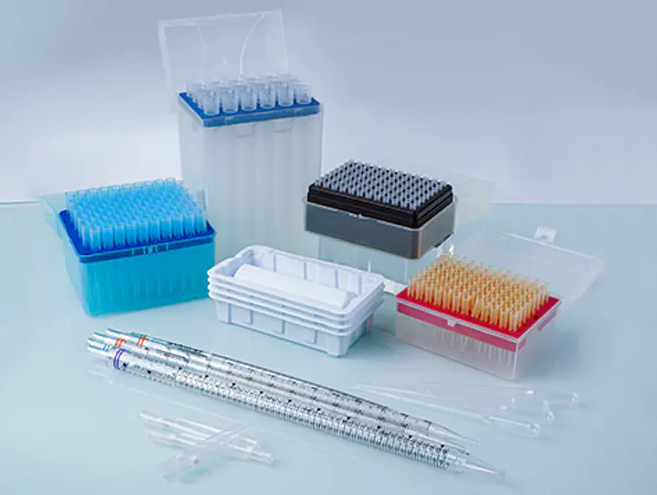
In chemical and biological research, accurate liquid handling is fundamental to successful experiments. A Pipette Tip is a primary instrument used to transfer precise amounts of liquids, ranging from microliters to milliliters, with minimal loss. Tips come in various materials, such as polypropylene, and can include features like low-retention or filtered designs to suit different reagents. Selecting the right tip is essential to avoid sample contamination and to ensure repeatable results.
For transferring larger volumes, a Serological Pipette is often employed. These pipettes typically have graduations ranging from 1 mL to 50 mL, and are constructed from either glass or durable plastics. The smooth flow of serological pipettes allows for controlled dispensing, which is important when preparing chemical solutions, culturing cells, or performing titrations.
Researchers must consider factors such as liquid viscosity, chemical compatibility, and ambient temperature when choosing pipette tips and serological pipettes. For instance, viscous reagents may require slow aspiration to prevent bubbles, while volatile solvents might necessitate specialized tips to prevent evaporation. Using proper pipetting techniques ensures consistent sample volumes, reduces errors, and maintains reproducibility across experiments.
Furthermore, laboratory efficiency can be improved by pairing pipette tips with adjustable pipettes for micro-scale liquid handling, while serological pipettes can be used with manual or mechanical pipette aids for larger volumes. By understanding the properties and applications of both tools, scientists can maintain accuracy, improve workflow, and achieve reliable results in both chemical and biological research contexts.