
When you run a pizza business, the box you choose is far more than just packaging — it is a direct extension of your brand, a promise of quality, and a practical tool that keeps your product safe from oven to customer. With so many packaging options available today, from the classic corrugated box to the sleek folding box and even alternative carriers like paper bags, making the right choice can feel overwhelming. This guide will walk you through everything you need to consider so you can make a smart, profitable decision for your pizza business.
Why Your Pizza Box Choice Matters More Than You Think
Most pizzeria owners focus heavily on dough recipes, sauce blends, and topping quality — and rightfully so. But packaging is the first thing a customer physically touches when their order arrives. A soggy, crushed, or grease-soaked box immediately undermines the experience, no matter how perfectly crafted the pizza inside may be.
The right box preserves heat, manages moisture, prevents sogginess, maintains structural integrity during delivery, and communicates your brand's identity. The wrong box does none of these things — and costs you repeat business.
Understanding the Main Types of Pizza Packaging
1. The Corrugated Box — The Industry Standard
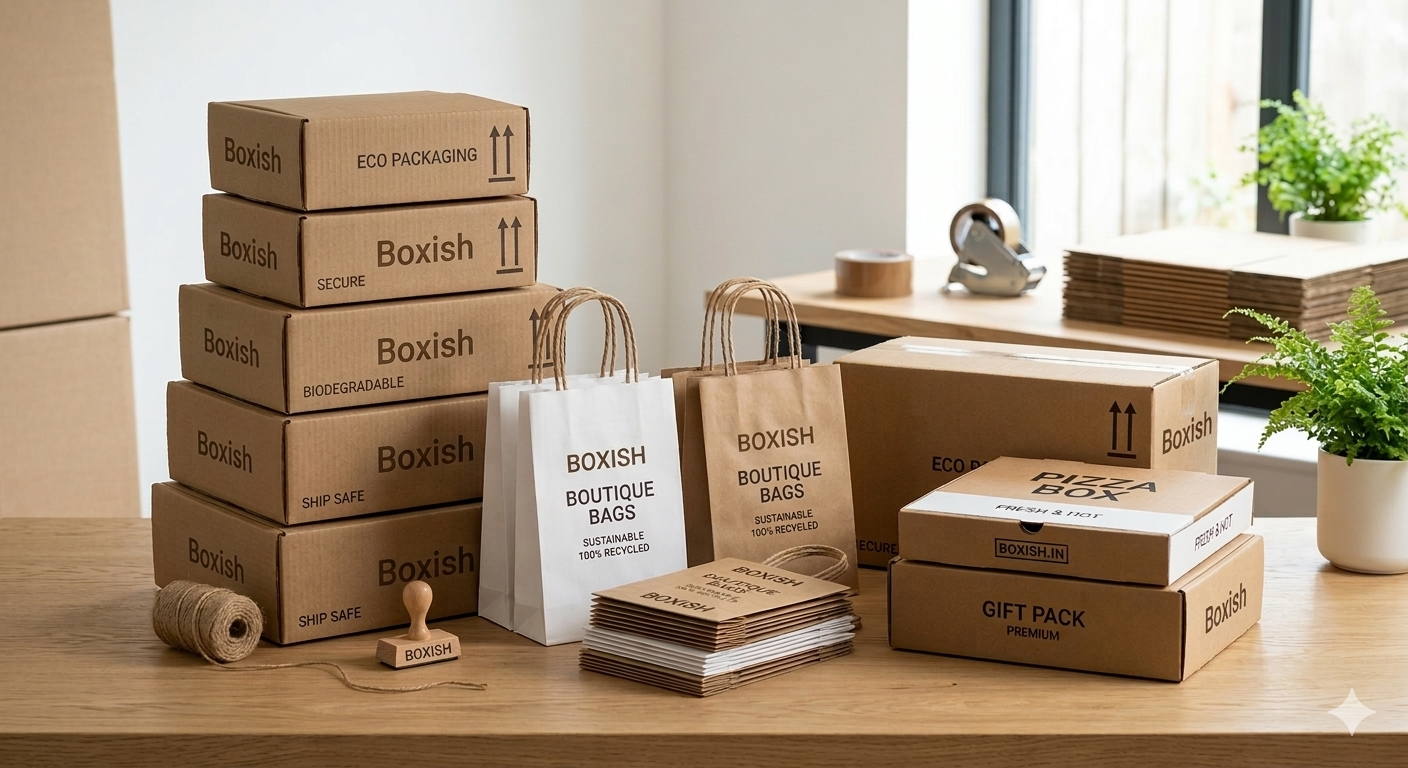
The corrugated box is the most widely used pizza packaging solution in the industry, and for good reason. It is made from a fluted inner layer sandwiched between two flat linerboards, giving it exceptional strength, insulation, and rigidity. For pizzerias offering delivery or takeout, the corrugated box provides the structural backbone needed to protect a hot, heavy pizza over longer distances.
The air pockets inside a corrugated box act as natural insulators, helping retain heat while also allowing some ventilation to reduce steam buildup — a key factor in preventing a soggy crust. If your business prioritizes delivery, especially for large or deep-dish pizzas, the corrugated box should be your go-to packaging.
Corrugated boxes are also highly customizable. You can print your logo, contact details, social media handles, and even promotional messages directly on the surface, turning every delivery into a mini billboard for your brand. When ordering in bulk, they become surprisingly cost-effective, especially for high-volume operations.
Best for: Delivery-heavy pizzerias, larger pizza sizes, long-distance orders, businesses wanting branded packaging.
2. The Folding Box — Elegant and Efficient
The folding box is a thinner, flat-packed alternative that assembles quickly and takes up far less storage space than pre-formed corrugated boxes. Made typically from solid or coated paperboard, folding boxes are lighter, cleaner in appearance, and often more visually sophisticated.
For dine-in or counter-service establishments where pizza does not travel far, a folding box may be entirely sufficient. It still provides a degree of structural protection and can be printed with attractive designs, giving your brand a premium feel. Many upscale or artisan pizzerias prefer folding boxes precisely because they look refined and modern compared to the bulkier corrugated alternative.
However, folding boxes are better suited for smaller, thinner pizzas and short carry distances. They do not insulate as well as corrugated boxes and may show grease more readily if the pizza is particularly oily. That said, many manufacturers now offer grease-resistant coatings to address this issue.
Best for: Dine-in restaurants, artisan or boutique pizzerias, personal-size or thin-crust pizzas, businesses focused on presentation.
3. Paper Bags — The Unexpected Option
Paper bags are not typically the first thing that comes to mind for pizza packaging, but they have earned a meaningful place in the industry — particularly for slices, garlic bread, calzones, or smaller pizza-adjacent items. Sturdy paper bags with reinforced bases and grease-resistant liners offer a quick, eco-friendly, and cost-effective packaging solution for grab-and-go orders.
Many pizzerias now use branded paper bags as a complement to their box packaging — for sides, desserts, or single-slice sales. They are lightweight, stackable, easy to store, and often made from recycled materials, which makes them an attractive option for businesses leaning into sustainable practices.
The eco-conscious consumer is very much a reality today. Offering paper bags made from kraft or recycled paper, alongside your corrugated or folding pizza boxes, signals environmental responsibility — something that resonates strongly with modern customers.
Best for: Single slices, appetizers, sides, eco-focused brands, grab-and-go counters.
Key Factors to Evaluate When Choosing Pizza Packaging
Size and variety of your menu. A pizzeria offering multiple sizes — personal, medium, large, and family — will likely need several box sizes across both corrugated and folding box formats. Match your box dimensions precisely to your pizza sizes to avoid unnecessary movement inside the box.
Delivery radius and travel time. The longer the pizza is in transit, the more insulation and strength you need. For delivery routes longer than 15 to 20 minutes, a corrugated box is almost always the better investment. For on-site dining, a folding box may be perfectly adequate.
Brand identity and customer experience. Every piece of packaging tells a story. Invest in custom printing on your corrugated box or folding box to reinforce your brand with every order. First-time customers who receive a beautifully branded box are far more likely to order again and share the experience on social media.
Sustainability goals. If your business is committed to reducing its environmental footprint, look for boxes made from recycled content or certified sustainable materials. Pairing recyclable corrugated boxes and folding boxes with compostable paper bags creates a fully eco-friendly packaging lineup.
Budget and order volume. Higher-volume businesses benefit from bulk pricing on corrugated boxes. Smaller or newer operations might start with folding boxes to minimize upfront costs while still delivering a quality experience.
The Bottom Line
There is no single perfect pizza box for every business — the right choice depends on your menu, delivery model, brand values, and customer expectations. Most successful pizzerias actually use a combination: a sturdy corrugated box for full pies and deliveries, a folding box for dine-in or premium presentation, and reliable paper bags for sides and slices. Together, these packaging choices create a complete, professional system that protects your product and promotes your brand at every touchpoint.