







The staircase serves as the backbone of residential architecture, acting as both a functional necessity and a primary aesthetic focal point. Within the intricate system of a balustrade, few components carry as much weight, both literally and figuratively, as newel posts. These vertical pillars are the anchors of the entire stair railing system, providing the essential structural integrity required to keep handrails secure while simultaneously offering a canvas for interior expression. Whether you are walking into a grand foyer or a modest modern townhouse, the presence of well-crafted newel posts immediately sets the tone for the quality and style of the craftsmanship throughout the building. Understanding how to choose, install, and maintain these vital elements is crucial for any homeowner or developer looking to combine safety with sophisticated design.
The Structural Importance and History of Newel Posts
To appreciate the role of newel posts in modern construction, one must first look at their fundamental purpose. At its core, a newel is the central pillar of a staircase. According to technical descriptions found on Wikipedia, the term traditionally referred to the central column of a circular or winding staircase. In contemporary straight-run or turning stairs, newel posts are the heavy uprights located at the beginning, end, and at every change of direction of a stair rail. These posts are responsible for absorbing the lateral force applied to the handrail by people moving up and down the steps. Without a sturdy newel, a railing would wobble, flex, and eventually fail, creating a significant safety hazard. Historically, these posts were often the most ornate part of the home, featuring hand-carved details that signaled the wealth and status of the owner. Today, while the styles have evolved to include minimalist and industrial looks, the mechanical requirement remains unchanged. They must be anchored deeply into the floor joists or the stair stringers to ensure that the entire assembly remains rigid under pressure.
Diverse Styles and Material Options for Your Home
Selecting the right newel posts requires a balance between the architectural era of the home and the desired modern atmosphere. There are several primary categories of posts that cater to different design languages. Box newels are perhaps the most popular choice for transitional and farmhouse styles. These are constructed like a hollow box, often featuring decorative molding, recessed panels, or flat faces for a clean, geometric look. They provide a sense of permanence and strength that smaller, turned posts might lack. On the other hand, turned newel posts are shaped on a lathe, resulting in elegant curves, beads, and coves. These are perfect for Victorian, Colonial, or traditional English interiors where soft lines and intricate details are valued. Material choice is equally diverse. While solid oak, maple, and hemlock remain the standard for their durability and staining capabilities, metal and hybrid designs are gaining traction. Professional insights from Forbes suggest that mixing materials, such as a wooden box newel with metal balusters, can modernize a space without losing the warmth of natural textures. This contrast creates a visual rhythm that draws the eye upward, highlighting the height and volume of a room.
Modern Trends and Installation Best Practices
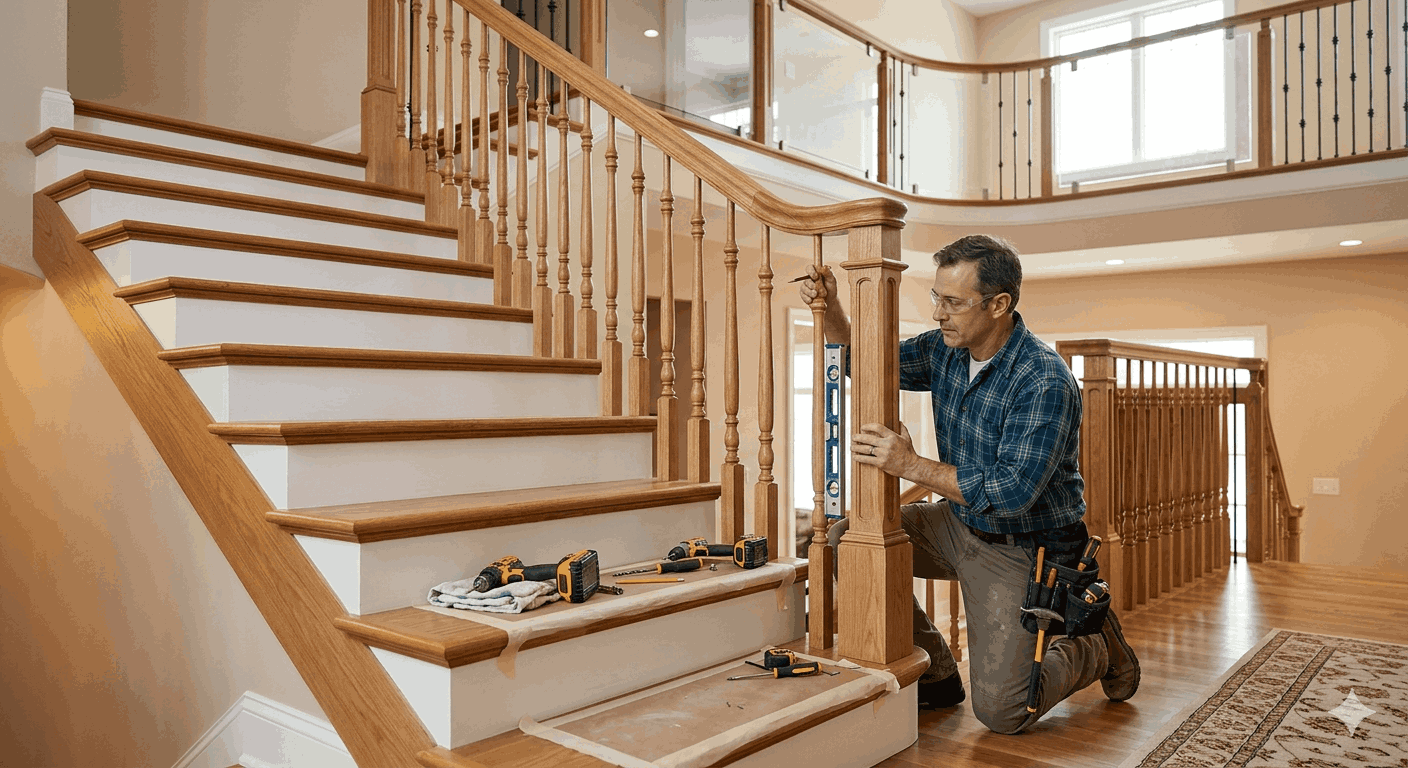
As interior design trends shift toward more open and airy concepts, the way we use newel posts is also changing. Recent reports from Google News indicate a rising demand for "slimline" and "minimalist" stair components that maximize light flow. In these designs, newel posts may be made of thin powder-coated steel or even integrated glass support systems. However, regardless of the material, the installation process remains the most critical phase. A professional installer will typically use a mounting bolt system or a heavy-duty steel plate to secure the post to the subfloor. It is essential to ensure that the post is perfectly plumb before attaching the handrails. Any slight tilt at the base will be magnified at the top of the staircase, leading to crooked rails and uneven baluster spacing. For those opting for a DIY approach, using high-quality lag bolts and structural wood screws is non-negotiable. Furthermore, when selecting your newel posts, consider the height requirements dictated by local building codes. Most residential codes require a handrail height between 34 and 38 inches, meaning your posts must be tall enough to accommodate these measurements while still allowing for decorative finials or caps at the top.
Longevity through Proper Maintenance and Care
Investing in high-quality newel posts is only the first step; maintaining them ensures they remain a beautiful part of your home for decades. Wood posts are susceptible to changes in humidity, which can cause minor cracks or "checking" over time. To prevent this, it is wise to finish the wood with a high-quality sealant, stain, or paint as soon as possible after installation. For high-traffic households, a polyurethane topcoat provides a hard-wearing barrier against the oils from hands and the occasional impact from moving furniture. Metal newel posts require less maintenance but should be wiped down periodically to prevent dust buildup in intricate crevices. If you notice any movement in your posts over time, it is vital to tighten the mounting hardware immediately. A small amount of "play" in a newel can quickly expand, damaging the surrounding flooring and loosening the balusters. By treating these posts as the structural anchors they are, you preserve both the beauty and the safety of your interior environment.
Conclusion and Next Steps for Your Renovation
Choosing the perfect newel posts is a transformative decision that bridges the gap between basic construction and artistic interior design. These components do more than just hold up a railing; they define the boundaries of your home's vertical space and provide a sense of security for everyone who uses the stairs. From the classic elegance of a turned oak post to the bold statement of a modern box newel, your choice reflects your personal style and commitment to quality. If you are planning a renovation or building a new home, do not overlook the importance of these structural pillars. Start by assessing your architectural style and consulting with a specialist who can help you navigate the various material and installation options available. Ready to elevate your home? Explore a premium collection of newel posts today and take the first step toward a safer, more stylish staircase that will impress guests and serve your family for generations to come.