



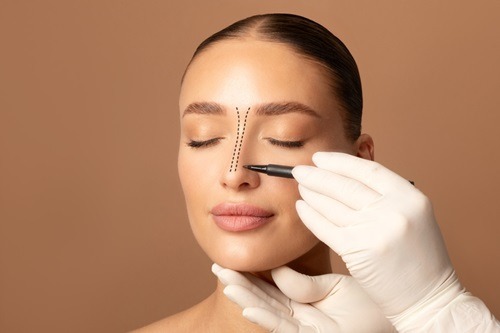
Revision rhinoplasty is a corrective surgical procedure performed to improve or fix the results of a previous nose surgery. It is often recommended when a patient is not satisfied with the aesthetic outcome or experiences functional issues such as breathing difficulties after the initial procedure. In many cases, patients seeking Rhinoplasty in Islamabad explore revision options when their first surgery does not meet expectations or leads to complications.Unlike primary rhinoplasty, revision rhinoplasty is more complex because it involves working with altered nasal structures, scar tissue, and sometimes limited cartilage availability. This makes careful planning, advanced surgical expertise, and realistic expectations essential for achieving successful outcomes.
What Is Revision Rhinoplasty?
Revision rhinoplasty, also known as secondary rhinoplasty, is a surgical procedure designed to correct or refine the results of a previous nose surgery. It can address both cosmetic concerns—such as asymmetry, irregular shape, or disproportion—and functional issues like nasal obstruction or breathing problems.This procedure may involve reshaping cartilage, reconstructing nasal structure, or using grafts from the patient’s own body (often from the ear or rib) to rebuild areas of the nose that require support or correction. Because the nasal anatomy has already been altered, revision surgery typically requires more precision and expertise than primary rhinoplasty.
Why Do Patients Need Revision Rhinoplasty?
Patients may need revision rhinoplasty for several reasons. In some cases, the initial surgery may not have fully achieved the desired aesthetic outcome, leading to dissatisfaction with the nose’s shape, size, or symmetry. In other situations, complications such as over-resection of cartilage, scarring, or structural collapse may occur.
Functional problems are also a common reason for revision surgery. These may include difficulty breathing due to a deviated septum, nasal valve collapse, or internal structural issues caused by the first surgery. Additionally, healing variations, surgical technique limitations, or unexpected tissue responses can all contribute to the need for revision.
How Is Revision Rhinoplasty Different From Primary Rhinoplasty?
| Aspect | Primary Rhinoplasty | Revision Rhinoplasty |
|---|---|---|
| Surgical Complexity | Moderate | Higher due to scar tissue |
| Tissue Condition | Untouched nasal structure | Altered and possibly weakened |
| Cartilage Availability | Natural and intact | May require grafts from other areas |
| Surgery Duration | Typically shorter | Often longer |
| Recovery | More predictable | May vary depending on correction needed |
| Risk Level | Lower | Slightly higher due to prior surgery |
Revision rhinoplasty is generally more challenging because surgeons must navigate scar tissue, altered anatomy, and limited structural support. This requires advanced surgical techniques and a highly individualized approach.
When Is Revision Rhinoplasty Needed?
Revision rhinoplasty may be needed when certain conditions arise after the initial surgery. These include noticeable asymmetry, persistent nasal deformities, or dissatisfaction with the overall appearance of the nose. In some cases, patients may feel that the nose appears too small, too large, or lacks harmony with other facial features.Functional concerns are another important indicator. If a patient experiences ongoing breathing difficulties, nasal blockage, or airflow restriction, revision surgery may be necessary to restore proper nasal function. Additionally, complications such as collapsed nasal bridges, visible irregularities, or tip deformities may also prompt consideration of revision surgery.It is generally recommended to wait at least 9–12 months after the initial rhinoplasty before undergoing revision, as the nose needs sufficient time to fully heal and stabilize.
What Are the Risks and Challenges of Revision Rhinoplasty?
Revision rhinoplasty carries some additional challenges compared to primary procedures. The presence of scar tissue can make dissection and reshaping more difficult, while limited cartilage availability may require grafting from other parts of the body.
There is also a slightly increased risk of complications such as prolonged swelling, infection, or unsatisfactory results if expectations are not properly managed. However, with a skilled and experienced surgeon, these risks can be minimized.
Another challenge is the unpredictability of healing. Since each revision case is unique, outcomes depend heavily on the extent of the previous surgery, the patient’s anatomy, and the complexity of the correction required.
What Is the Recovery Process Like?
Recovery from revision rhinoplasty is similar to primary rhinoplasty but may take longer depending on the extent of the procedure. Patients can expect swelling, bruising, and mild discomfort during the initial healing phase.
Most visible swelling subsides within a few weeks, but subtle changes may continue for several months. Final results may take up to a year or more to fully develop. Patients are usually advised to follow post-operative instructions carefully, including avoiding strenuous activities, protecting the nose from injury, and attending follow-up appointments.
Proper aftercare plays a crucial role in ensuring optimal healing and achieving the desired outcome.
How to Know If You Are a Good Candidate?
A good candidate for revision rhinoplasty is someone who has fully healed from their previous surgery and continues to experience dissatisfaction with the results. Candidates should be in good overall health, non-smokers, and have realistic expectations about what revision surgery can achieve.It is also important for candidates to communicate clearly with their surgeon about their concerns, goals, and medical history. A thorough evaluation, including physical examination and sometimes imaging, helps determine whether revision surgery is appropriate and whatoutcomes can be expected.
Conclusion
Revision rhinoplasty is a specialized procedure designed to correct or improve the results of a previous nose surgery. Whether the goal is to enhance appearance, restore facial harmony, or resolve functional issues, this procedure offers a second opportunity for patients who were not satisfied with their initial outcome.However, due to its complexity, revision rhinoplasty requires careful planning, patience, and the expertise of a qualified surgeon. Understanding when it is needed, what it involves, and what to expect during recovery can help patients make informed decisions and achieve more satisfying results.
Contact Us
If you are considering revision rhinoplasty and want professional guidance tailored to your needs, our team is here to help. Book a consultation today to discuss your concerns, explore your options, and receive a personalized treatment plan designed to achieve natural-looking and functional results. Our specialists are committed to delivering safe, precise, and patient-focused care every step of the way.