

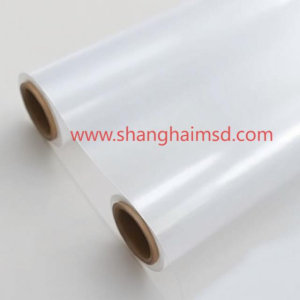
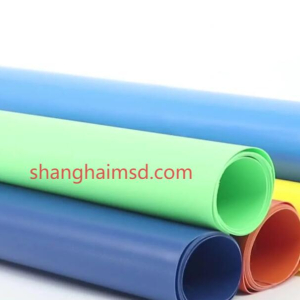
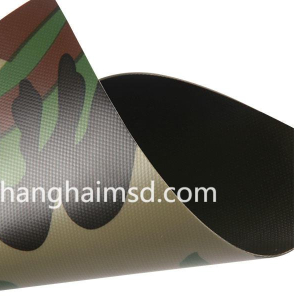

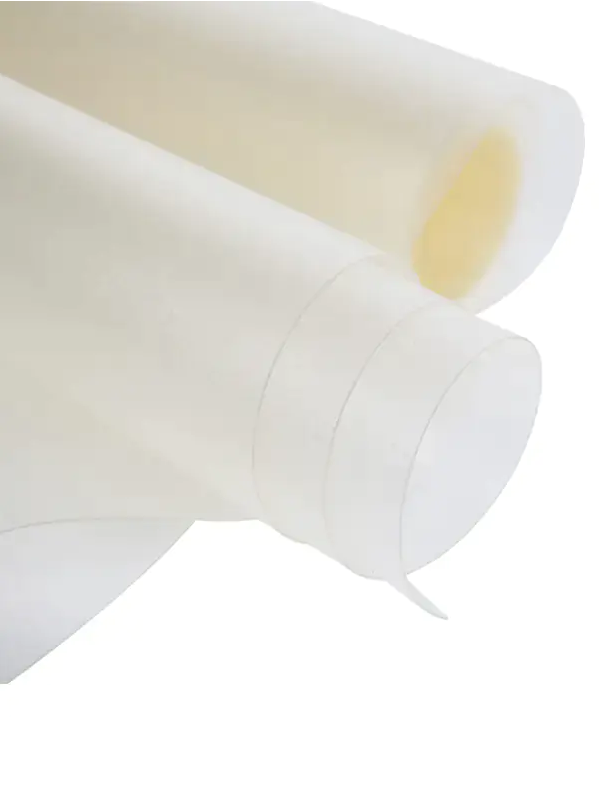
Transparent polymer sheets have become essential materials in industries such as packaging, advertising displays, and consumer product manufacturing. These materials must combine optical clarity, structural durability, and processing flexibility to meet modern production requirements. Within this category, MSD PETG Film provides a balance of transparency, toughness, and thermoforming capability, making it widely adopted for applications where both mechanical performance and visual quality are important.
PETG, known as polyethylene terephthalate glycol-modified, is produced by modifying standard PET polymer with glycol during synthesis. This modification reduces the crystallization rate of the polymer, allowing the material to maintain higher transparency and flexibility after cooling. Compared with traditional PET sheets, PETG demonstrates improved forming characteristics and greater resistance to cracking. These advantages enable manufacturers to create detailed shapes while preserving the material’s clear appearance.
The production of PETG sheets relies on extrusion processing, a manufacturing method that ensures consistent thickness and smooth surfaces. In this process, polymer pellets are melted at controlled temperatures and extruded through a precision flat die. The molten material is then cooled using polished rollers, which determine both the sheet thickness and the final surface quality. Shanghai MSD International Trade Co., Ltd utilizes advanced extrusion technology to maintain stable production conditions and achieve high optical clarity in large-format sheets.
Impact resistance is one of the defining characteristics of PETG materials. Unlike brittle transparent plastics, PETG can absorb significant mechanical stress without fracturing. This durability makes the material suitable for protective barriers, equipment covers, and safety shields where both transparency and strength are required. Even when exposed to repeated handling or sudden impacts, PETG maintains its structural integrity and appearance.
Another major advantage lies in its thermoforming performance. When heated to the appropriate forming temperature, PETG softens uniformly and becomes highly moldable. Manufacturers can use vacuum forming or pressure forming processes to create complex shapes with smooth contours and detailed features. Because the material retains its clarity during shaping, it is frequently used in cosmetic packaging, food display trays, and transparent consumer product containers.
Surface quality plays an important role in applications involving printing or decorative graphics. PETG sheets offer a smooth and consistent surface that supports several printing technologies, including screen printing, UV printing, and digital inkjet processes. These methods allow high-resolution graphics to be applied directly to the sheet surface, producing vibrant colors and precise visual details. Protective coatings can also be applied to enhance scratch resistance or chemical stability.
In addition to forming and printing, PETG sheets are compatible with a variety of fabrication techniques. The material can be cut using CNC routers or laser cutting systems, allowing precise shaping for customized components. Drilling, bending, and adhesive bonding are also common processing methods. These fabrication options make PETG suitable for constructing retail display units, equipment housings, and transparent architectural elements.
Quality testing is critical to ensure consistent material performance. Mechanical tests measure tensile strength, elongation, and impact resistance to evaluate how the sheet behaves under stress. Optical tests measure light transmission and haze levels to confirm that transparency meets application requirements. These evaluations help maintain production consistency and verify that the material meets industry standards.
Thermal analysis is another essential aspect of PETG testing. Engineers examine heat distortion temperature and softening characteristics to determine the optimal conditions for thermoforming and secondary processing. Accurate thermal data allows manufacturers to adjust heating cycles and forming parameters to produce reliable results without compromising sheet clarity.
Environmental performance testing is also conducted to simulate real-world conditions. Samples are exposed to ultraviolet radiation, humidity fluctuations, and temperature cycles to evaluate long-term durability. These tests help determine whether the material will maintain transparency and structural stability in environments such as retail spaces, display installations, or equipment enclosures.
Applications for PETG sheets extend across numerous industries. In packaging, PETG is frequently used for blister packs, clamshell containers, and protective trays due to its strength and clarity. Retail and advertising sectors rely on PETG panels for display stands, promotional signage, and product presentation structures. The electronics industry also uses PETG components for protective housings and transparent panels that require both durability and aesthetic appeal.
The recyclability of PETG materials supports modern sustainability initiatives. Many PETG products can be collected and reprocessed into new materials, helping reduce manufacturing waste. Advances in extrusion efficiency and material formulation have also contributed to more resource-efficient production methods.
Continuous research and development efforts at Shanghai MSD International Trade Co., Ltd focus on improving sheet consistency, optical quality, and mechanical performance. By refining extrusion techniques and quality control systems, the company delivers polymer sheet solutions that meet the evolving requirements of industries including packaging, display manufacturing, electronics, and consumer products.
For professionals interested in learning more about the differences between polyester-based materials and how PETG compares with traditional PET, further technical information is available from Shanghai MSD International Trade Co., Ltd at the following resource: https://www.shanghaimsd.com/news/petg-film-vs-pet-film-what-are-the-key-differences.html .