


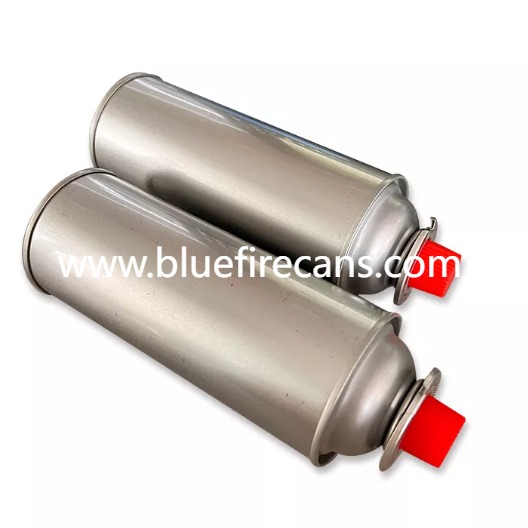
Fuel is easy to overlook. You pack the stove, grab the canister, and somewhere between the trailhead and the first night's camp, it just stops crossing your mind. Then the flame sputters out halfway through dinner, and suddenly that 450g Gas Canister becomes the most important thing you are carrying.
There is a reason this size has stuck around. Enough fuel for several meals across a few days, without tipping the scales into "why did I bring this" territory. The blend inside — usually butane cut with propane — handles temperature swings better than people expect. Cool morning air, warm afternoon wind-down, it manages. Thread it onto a compatible stove, hear that click of a solid connection, and you are cooking. Genuinely that simple.
Weight matters on the trail, but there is another signal worth paying attention to: the canister in your hand. Lift it. Shake it gently. A lighter canister means less fuel, and that tactile feedback — imprecise as it is — often tells you more than any math. Experienced outdoor cooks develop a feel for it. One shake before breaking camp and something in your gut just knows: one more night, or time to dig out the backup. It is not science. It works anyway.
Here is where most people stop thinking, though. They turn off the burner and consider the job done. It is not. Metal holds heat longer than it looks like it should. The connection point between stove and canister stays warm for several minutes after the flame goes off — sometimes longer than you'd guess. Rushing to unscrew a still-warm canister can release a brief burst of gas. Depending on the breeze, depending on where you are standing, that matters. A few minutes of patience costs you nothing. Just wait.
When you do disconnect, slow down. Even a canister that rattles like it is nearly empty still carries pressure. Crack the seal gradually, out in open air, and any residual gas has room to disperse instead of pooling. It is the kind of step that feels unnecessary — right up until the one time it is not.
Give the valve a look too. As the canister separates from the stove, it should self-seal cleanly. Catch even a faint hiss, smell even a hint of gas after the connection breaks? Do not lean in to investigate. Move the canister a short distance away, stand it upright, and let open air handle it. No drama required. Just give it space and a moment.
Storage is where a lot of people get sloppy. Upright, away from heat sources, out of prolonged sun. A half-used canister holds the same internal pressure as a brand new one and deserves the same care. Tossing it loose into a bag pocket — rolling around against everything else — is a habit worth breaking. Dedicated pouches take up almost no room, and they exist precisely because canisters deserve better than tumbling around unprotected.
Disposal is the part that rarely makes it into the conversation. When a canister is genuinely spent, it still cannot just go anywhere. Many outdoor retailers and camping hubs keep collection bins for empty canisters. Puncturing or crushing one in the field is not a clever workaround — it is a real hazard. Bring it back. Find a collection point. Let it end up somewhere it can be handled properly.
Outdoor cooking is supposed to feel easy. A good view, something warm on the stove, the smell of food after a long day on your feet. Getting the fuel side right — from the size you pick to the way you disconnect it after the last meal — is what keeps that simplicity from unraveling. Small habits. Practiced without thinking. That is what makes the whole thing quieter and safer. For quality canisters designed with outdoor cooks in mind, visit https://www.bluefirecans.com/ .