







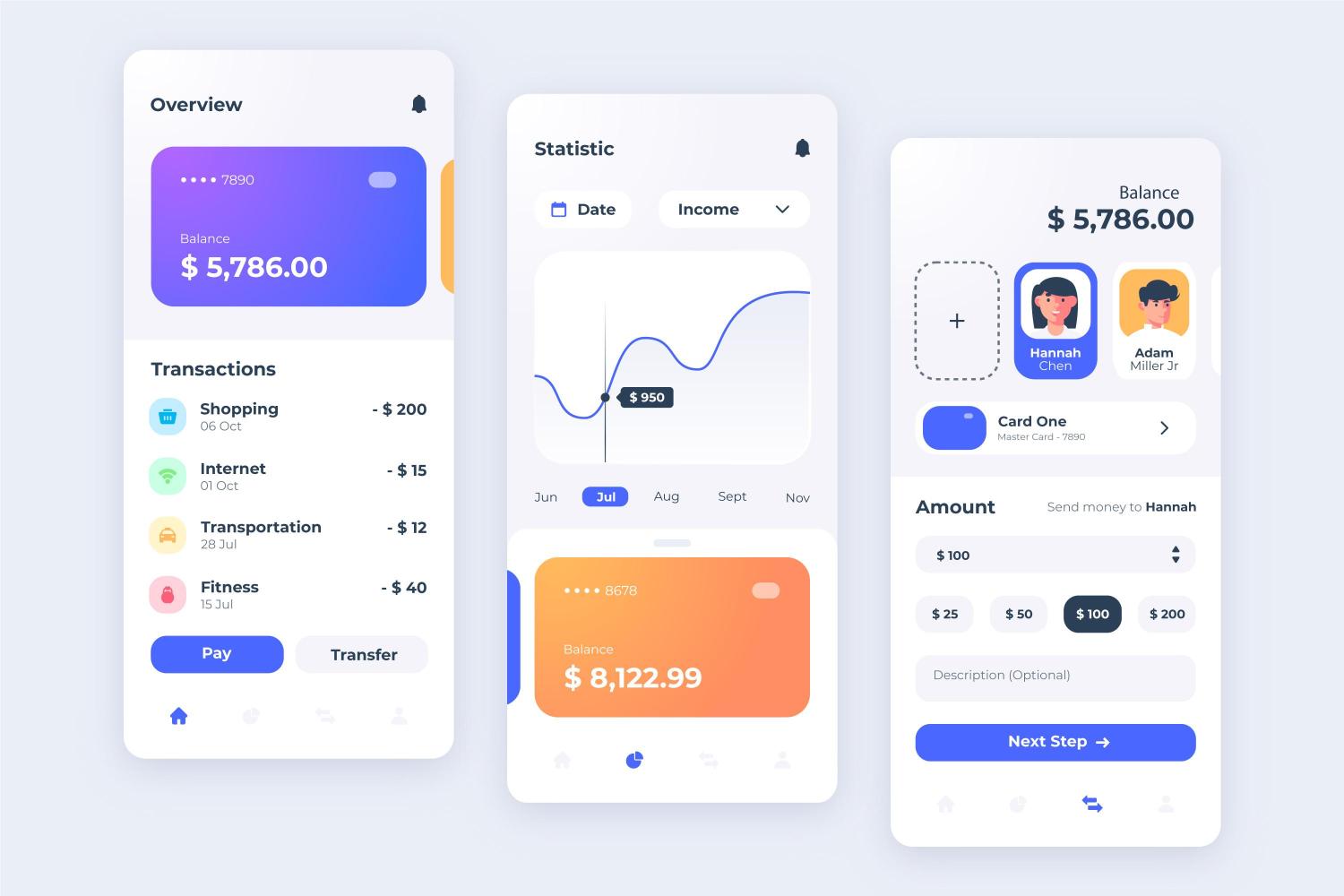
Fintech app development continues to shape how financial services are delivered, accessed, and scaled. From digital payments to lending platforms, software now sits at the core of most financial interactions. Businesses are no longer building simple apps. They are building full systems that handle transactions, compliance, and customer engagement in real time.
In 2026, this shift is more pronounced. Financial institutions, startups, and even non-financial companies are investing in fintech solutions to stay competitive. The role of technology is no longer limited to support. It defines how services are designed, delivered, and improved.
What Is Fintech App Development?
Fintech app development refers to the process of building software applications that provide financial services through digital platforms. These applications may serve individuals, businesses, or institutions. They handle tasks such as payments, investments, lending, insurance, and financial planning.
Unlike traditional financial systems, fintech applications focus on speed, accessibility, and user experience. They often integrate with multiple systems such as banks, payment gateways, and third-party APIs to deliver seamless services.
Types of fintech applications
Fintech software development covers a wide range of applications:
- Digital banking apps for account management and payments
- Payment and wallet apps for peer-to-peer transfers
- Lending platforms for credit assessment and loan processing
- Investment and trading apps for wealth management
- Insurance platforms for policy management and claims
Each category has distinct requirements in terms of compliance, scalability, and user experience.
Key Trends in Fintech App Development
AI and Automation in Finance
AI adoption in fintech development trends has moved beyond basic chatbots. Applications now use AI for fraud detection, risk assessment, and personalized recommendations. These systems analyze large volumes of financial data to identify patterns that manual processes often miss.
Automation also plays a key role in back-office operations. Tasks such as document verification, transaction monitoring, and reporting are increasingly handled by automated workflows. This reduces processing time and improves accuracy.
Embedded Finance
Embedded finance allows financial services to be integrated into non-financial platforms. For example, e-commerce platforms offering credit at checkout or ride-sharing apps providing in-app wallets.
This trend is expanding rapidly because it removes friction for users. Instead of switching between platforms, users access financial services within the applications they already use.
Open Banking APIs
Open banking continues to influence fintech software development. APIs allow secure data sharing between financial institutions and third-party applications. This creates opportunities for innovation while maintaining regulatory compliance.
For businesses, this means faster development cycles and the ability to build services on top of existing financial infrastructure. For users, it results in more personalized and connected financial experiences.
Technology Stack for Fintech Applications
Frontend Technologies
The frontend defines how users interact with fintech applications. It must be responsive, intuitive, and secure. Developers often use modern frameworks to create interfaces that handle real-time updates, such as transaction statuses or account balances.
User experience is critical in fintech. Poor interface design can lead to user distrust, especially in financial applications where accuracy and clarity are essential.
Backend Systems
Backend systems handle core operations such as transaction processing, authentication, and data management. These systems must be reliable and capable of handling high volumes of concurrent requests.
Key considerations include:
- Strong security protocols for data protection
- Scalable architecture to support growth
- Efficient data processing for real-time operations
Backend failures in fintech applications can lead to financial losses and reputational damage. This makes system design a critical part of development.
Cloud and Infrastructure
Cloud infrastructure has become standard in fintech app development. It provides flexibility, scalability, and cost control. Applications can scale resources based on demand, which is essential for handling peak transaction periods.
Cloud fintech apps also support global deployment. This allows businesses to expand into new markets without setting up physical infrastructure. However, cloud usage requires careful planning around data security and compliance.
Business Models in Fintech Apps
Subscription-Based Models
Some fintech applications charge users a recurring fee for access to premium features. These may include advanced analytics, financial planning tools, or enhanced account services.
This model provides predictable revenue and works well for platforms offering ongoing value.
Transaction-Based Revenue
Many fintech applications earn revenue through transaction fees. This includes payment processing fees, trading commissions, or service charges for financial operations.
The success of this model depends on transaction volume. Applications must focus on user growth and engagement to maintain revenue.
Platform-Based Ecosystems
Platform models connect multiple users and services within a single ecosystem. For example, a platform that connects lenders, borrowers, and financial advisors.
This approach allows businesses to generate revenue from multiple sources, including service fees, partnerships, and data-driven services.
Development Process for Fintech Applications
Fintech app development requires a structured process due to its complexity and regulatory requirements.
Planning and requirement analysis
The process begins with defining the application’s purpose, target users, and compliance requirements. Financial regulations vary by region, so early planning must address legal constraints.
Clear requirements help avoid costly changes later in the development cycle.
Development and testing
During development, teams build core features while ensuring security and performance. Testing is a continuous process. It includes functional testing, security testing, and performance testing.
Given the sensitive nature of financial data, security testing is particularly important. Even minor vulnerabilities can lead to significant risks.
Deployment and scaling
Once the application is ready, it is deployed in a controlled environment. Monitoring tools track performance, usage, and potential issues.
As the user base grows, the system must scale without affecting performance. This requires careful infrastructure planning and ongoing adjustments.
Challenges in Fintech App Development
Regulatory compliance
Fintech applications must comply with strict financial regulations. These include data protection laws, anti-money laundering rules, and payment standards.
Compliance adds complexity to development. It also requires continuous updates as regulations change.
Security concerns
Security remains one of the biggest challenges. Fintech applications handle sensitive financial data, making them a target for cyber threats.
Developers must implement strong encryption, secure authentication, and regular security audits to reduce risks.
Integration with legacy systems
Many financial institutions still rely on legacy systems. Integrating modern fintech applications with these systems can be complex.
Data formats, system compatibility, and performance limitations often create challenges. Careful planning and middleware solutions are required to bridge these gaps.
Conclusion
Fintech app development in 2026 reflects a shift toward integrated, scalable, and user-focused systems. Trends such as AI adoption, embedded finance, and open banking are shaping how applications are designed and delivered.
The choice of technology stack, business model, and development approach plays a direct role in long-term success. At the same time, challenges such as compliance, security, and system integration require careful attention.
For businesses entering or expanding in fintech, the focus should remain on building reliable systems that align with both user expectations and regulatory requirements.