



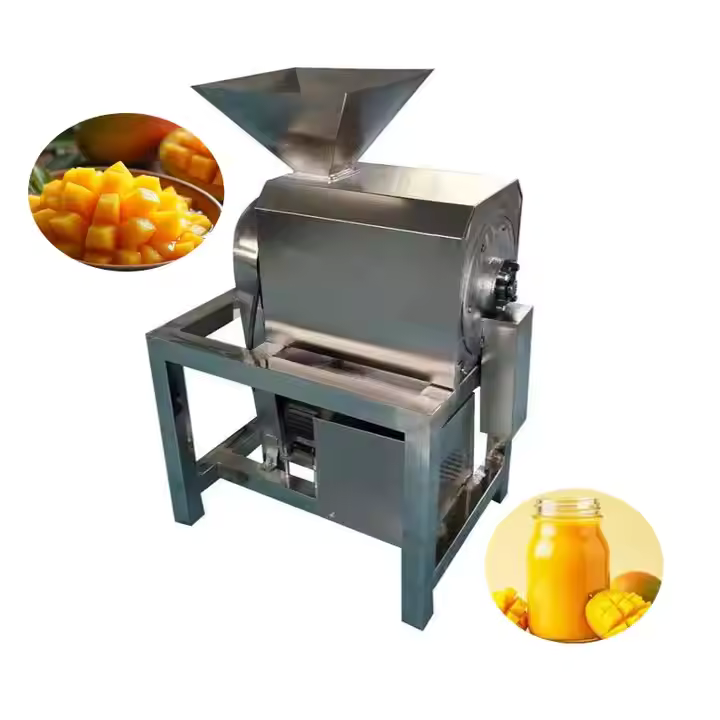
Pakistan is one of the world's top mango-producing countries, and with growing demand for processed fruit products — from juices and nectars to jams and purees — fruit processing businesses are under pressure to scale efficiently. At the heart of any high-output mango processing line sits one critical piece of equipment: the mango pulper. Choosing the right one can mean the difference between a profitable operation and constant production headaches.
What Is a Mango Pulper?
A mango pulper is an industrial machine designed to separate the pulp of mangoes from the skin and seed (stone), producing a smooth, consistent puree or pulp that is ready for further processing or packaging. Unlike manual extraction methods, a commercial-grade pulper automates the entire process, drastically reducing labor costs while improving output quality and hygiene. Most modern fruit pulping machines use a combination of rotating paddles and a perforated screen to efficiently extract maximum pulp yield with minimal waste.
Key Features & Benefits
When evaluating a mango pulper for your processing facility, the following features directly impact your return on investment:
- High Pulp Yield: A well-designed pulper extracts 85–95% of usable pulp from each mango, significantly reducing raw material wastage and improving profit margins.
- Stainless Steel Construction: Food-grade SS304 or SS316 stainless steel ensures the machine meets hygiene standards, resists corrosion, and is easy to clean — essential for long-term, food-safe operation.
- Variable Screen Sizes: Interchangeable perforated screens allow processors to adjust pulp texture and consistency depending on whether they are producing thick puree, juice concentrate, or fine nectar.
- Low Maintenance Design: Machines with sealed bearings, easy-access covers, and replaceable paddle blades reduce downtime and keep operations running during peak mango season.
- Energy Efficiency: Modern fruit pulping machines are engineered to deliver high throughput at lower power consumption, which directly reduces operating costs — a key concern for Pakistani processors facing rising electricity tariffs.
Industrial Applications
Mango pulpers are not limited to a single industry. Their versatility makes them a valuable asset across several sectors:
- Juice & Beverage Industry: Mango juice, nectars, and blended drinks rely entirely on consistent, high-quality pulp. Pulpers ensure uniform texture and color across large batches.
- Food Packaging Plants: Packaged mango pulp sold in cans, pouches, or tetra packs requires a product that meets specific viscosity and particle-size standards — only achievable through proper pulping machinery.
- Jam, Jelly & Preserve Manufacturers: These products require a thick, seed-free pulp. A pulper paired with a finishing machine delivers the exact consistency needed.
- Hotel & Restaurant Supply: Commercial kitchens and catering companies processing large volumes of mangoes benefit greatly from semi-industrial pulpers that save time while maintaining natural flavor.
- Export-Oriented Processing Units: Businesses targeting export markets must meet international food safety standards, making hygienic, stainless-steel pulping equipment a non-negotiable requirement.
How to Choose the Right One
Buying the wrong pulping machine is a costly mistake. Here are the most important factors to evaluate before making a purchase:
1. Capacity Requirements: Match the machine's throughput (typically measured in kg/hour or tons/day) to your actual production volume. Oversizing wastes capital; undersizing creates bottlenecks.
2. Type of Mangoes Processed: Fibrous varieties like Chaunsa and Sindhri require machines with wider screen gaps and stronger paddle pressure compared to less-fibrous varieties.
3. Single vs. Double Stage Pulping: For ultra-smooth pulp intended for high-end juice brands or export, a double-stage or integrated pulper-finisher setup produces a superior result.
4. Spare Parts Availability: Choose a supplier who stocks local spare parts — paddle blades, screens, and bearings wear out. Machines requiring imported parts can halt your production for weeks.
5. After-Sales Support: In Pakistan's industrial landscape, technical after-sales support is just as important as the machine itself. Always verify that the manufacturer or dealer offers installation, training, and on-site servicing.
Why Quality Matters
Cutting corners on equipment quality in food processing is never worth the short-term savings. A substandard mango pulping machine creates multiple downstream problems: inconsistent pulp quality that fails quality checks, frequent mechanical breakdowns during peak harvest season, contamination risks due to non-food-grade materials, and rejected export consignments that damage your brand reputation.
Investing in a certified, well-built machine from a reliable manufacturer protects your business, ensures food safety compliance, and builds the kind of operational consistency that long-term buyers — whether local distributors or international importers — demand.
Conclusion
Whether you are setting up a new processing line or upgrading aging equipment, selecting the right mango pulper is one of the most impactful decisions you will make for your fruit business. Prioritize build quality, local support, the right capacity for your output needs, and food-grade material standards. A well-chosen machine pays for itself within a single mango season. For detailed technical specifications and industrial-grade options suited to the Pakistani market, you can explore more at Mango pulper.