
Success on the water depends on precision, timing, and control. One of the most important skills every angler must develop is fly-fishing casting, as it determines how naturally your fly lands and how effectively you reach your target. Unlike traditional fishing, this method relies on the line’s momentum, making the technique far more important than force.
Understanding the Fundamentals
To improve your fly fishing casting, it’s essential to understand how energy transfers from the rod to the line. A smooth motion allows the rod to load and release power efficiently, creating tight loops that improve accuracy. Good timing ensures the line fully extends before changing direction.
Core basics to remember:
- Smooth acceleration matters more than power
- Pause slightly between backcast and forward cast
- Keep your wrist steady for better control
- Aim for tight, clean loops for accuracy
Key Techniques to Practice
Learning different techniques helps anglers adapt to various fishing environments. While all styles build on the same principles, mastering a few core methods can significantly improve your results.
Essential casting styles:
- Overhead cast for general use and control
- Roll cast for tight spaces or obstacles
- False cast to adjust distance and dry your fly
- Controlled long cast for covering more water
As your skills grow, you’ll notice that proper fly fishing casting is less about effort and more about rhythm and precision.
Improving Your Performance on the Water
Consistency is key when refining your skills. Regular practice builds muscle memory and improves coordination, allowing you to cast more naturally over time.
Simple ways to improve faster:
- Practice on open ground before hitting the water
- Focus on timing instead of distance
- Watch your line to understand loop formation
- Make small adjustments rather than big changes
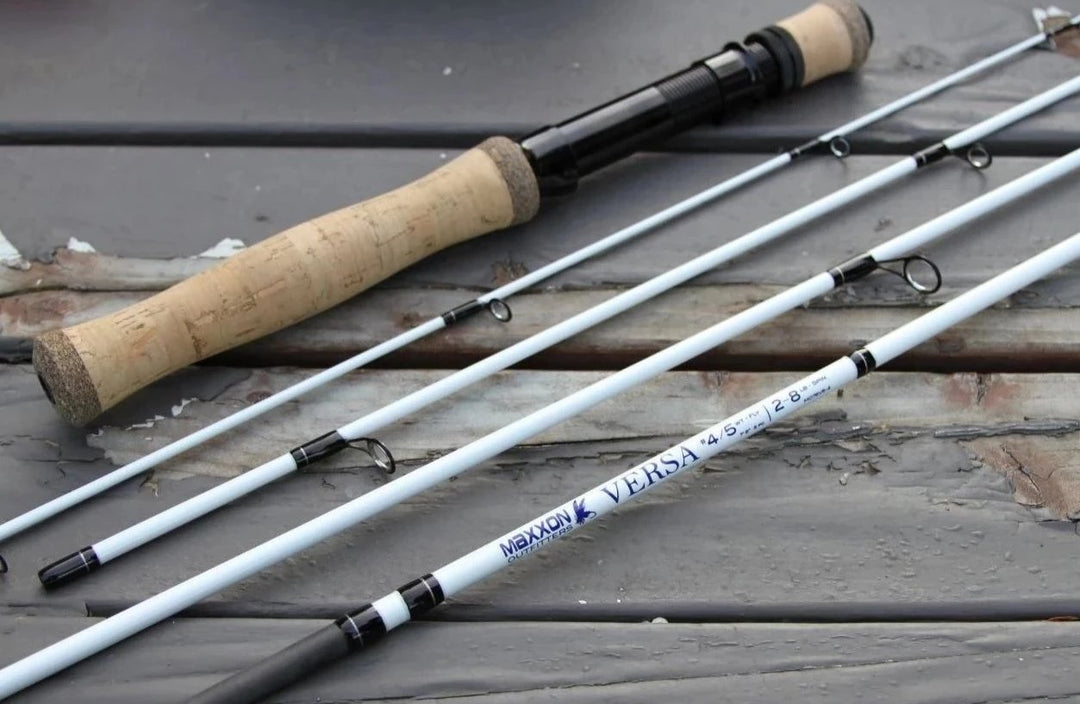
The right gear also plays an important role. A balanced and responsive rod helps transfer energy more efficiently and reduces fatigue. Choosing a versatile and well-designed setup can support both beginners and experienced anglers in improving their technique with better control and flexibility.
Why Technique Matters More Than Strength
Many beginners try to cast harder to reach longer distances, but this often leads to poor results. In reality, effective fly fishing casting depends on control, timing, and proper rod movement. When technique is prioritized, anglers achieve better accuracy and distance with less effort.
Conclusion
Improving your casting skills takes patience, but the results are worth it. With consistent practice, attention to detail, and the right equipment, you can enhance your overall fishing experience. Over time, mastering fly fishing casting becomes a natural part of your rhythm, helping you focus more on catching fish and less on technique.
Improve your casting today, choose gear that delivers control and precision.
FAQs
Q1. How can I improve my casting accuracy?
Focus on smooth movements, proper timing, and maintaining tight loops during each cast.
Q2. Is expensive gear necessary for better casting?
Not always, but a well-balanced rod can make learning easier and more effective.
Q3. How often should I practice casting?
Short and regular practice sessions are more effective than occasional long ones.
Q4. What is the most common mistake beginners make?
Using too much force instead of focusing on timing and control.
Q5. Can I practice casting without going fishing?
Yes, practicing on open ground helps build confidence and consistency.