





Introduction
Few foods carry the identity of a city as clearly as New York Style Pizza. It is more than a quick meal or a late-night option—it is part of the rhythm of urban life. From busy avenues to quiet neighborhood corners, the presence of a pizza shop signals something familiar: a place where speed, flavor, and tradition meet. What makes this style unique is not just its taste, but the way it reflects the energy and diversity of New York itself.
The Origin of a Street-Level Icon
New York Style Pizza traces its roots to early 20th-century immigrant communities, where traditional recipes were adapted to new ingredients and a faster pace of life. Instead of replicating old-world methods exactly, bakers adjusted techniques to suit larger ovens and a growing customer base. The result was a pizza designed for convenience without sacrificing quality.
What set it apart early on was its accessibility. Sold by the slice, it became food for everyone—workers, students, tourists, and locals alike. This practicality helped it evolve into a defining feature of the city’s food culture.
The Anatomy of New York Style Pizza
At first glance, a slice may seem simple, but each element is carefully balanced:
The Crust
The crust is thin but not fragile. It has enough structure to hold its toppings while remaining flexible enough to fold. This fold is not just a habit—it is part of the design, making it easy to eat while walking.
The Sauce
Rather than being overly complex, the sauce focuses on clarity of flavor. It highlights the natural taste of tomatoes with subtle seasoning, ensuring it complements rather than overwhelms the crust.
See more: Best New York Style Pizza
The Cheese
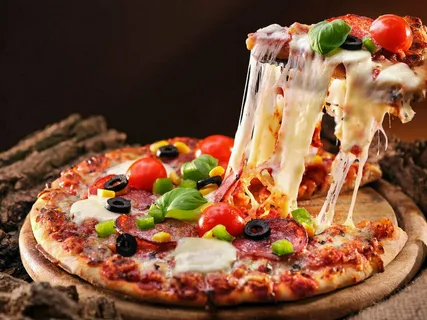
A consistent layer of melted cheese binds everything together. It stretches slightly when pulled apart, creating the familiar texture people expect from a classic slice.
Why the Fold Matters
One of the most recognizable traits of New York Style Pizza is the fold. While it may seem like a casual eating technique, it actually reflects thoughtful design. The slice is wide and thin, and folding it provides structural support while concentrating flavors into each bite.
This small detail demonstrates how the pizza is tailored to city life—portable, efficient, and satisfying without requiring utensils or a table.
A Reflection of City Life
New York Style Pizza mirrors the pace and diversity of the city. Each shop may follow the same general formula, but subtle differences give every location its own identity. Some emphasize a slightly crispier crust, while others focus on a softer bite. These variations create a landscape where no two slices are exactly alike.
The experience of ordering also contributes to its character. Quick interactions, the hum of ovens, and the constant flow of customers all add to the atmosphere. It is food that exists within motion, not outside of it.
Beyond the Basics
While the traditional slice remains the foundation, New York Style Pizza has adapted over time. Toppings, sizes, and presentation styles have expanded, but the core principles remain unchanged. Even when variations appear, they still rely on the same balance of crust, sauce, and cheese.
This ability to evolve without losing identity is part of what keeps it relevant. It can change just enough to stay interesting while maintaining the qualities that made it popular in the first place.
What Makes It Stand Out
In a world filled with countless pizza styles, New York Style Pizza stands out because of its balance between simplicity and function. It does not rely on heavy toppings or elaborate presentation. Instead, it succeeds by getting the fundamentals right.
Its strength lies in consistency. People know what to expect, and that reliability creates a lasting connection. Whether someone is trying it for the first time or returning after years, the experience remains familiar.
Conclusion
New York Style Pizza is not defined by a single recipe or technique. It is shaped by history, environment, and the needs of the people who eat it. Its design reflects movement, its flavor reflects tradition, and its presence reflects community.
What makes it truly unique is not just how it tastes, but how it fits into everyday life. It is a food that does not demand attention yet leaves a lasting impression—one slice at a time.
For more information: click here