





The angiography devices market is witnessing robust growth, driven by rising cardiovascular disease prevalence, technological advancements in imaging, and increasing demand for minimally invasive procedures. Valued at USD 14.35 billion in 2025, the market is projected to reach USD 22.93 billion by 2035, expanding at a CAGR of 4.8%. This growth reflects not only medical necessity but also the evolution of devices that make diagnosis and treatment safer and more precise.
Angiography devices, encompassing systems, catheters, balloons, guidewires, contrast media, and closure devices, are central to modern cardiovascular and neurovascular care. They enable clinicians to visualize blood vessels, diagnose blockages, and guide therapeutic interventions, ultimately improving patient outcomes and reducing procedural risks.
What Are Angiography Devices and Why Are They Important?
Angiography devices are specialized medical instruments used to visualize blood vessels and guide interventional procedures.
These devices are essential because they provide real-time, high-resolution imaging of vascular structures, enabling early detection of blockages, aneurysms, or other abnormalities. Beyond diagnostics, angiography devices support minimally invasive therapeutic procedures, reducing hospital stays and recovery time.
Clinicians rely on angiography to navigate complex vascular pathways safely. For example, coronary angiography can pinpoint the exact location of arterial blockages, allowing cardiologists to deploy stents with precision. Similarly, neurovascular angiography facilitates targeted treatment of cerebral aneurysms, demonstrating the devices’ critical role across medical disciplines.
What Are the Main Types of Angiography Devices?
Angiography devices can be categorized into systems, consumables, and accessories, each serving a distinct function.
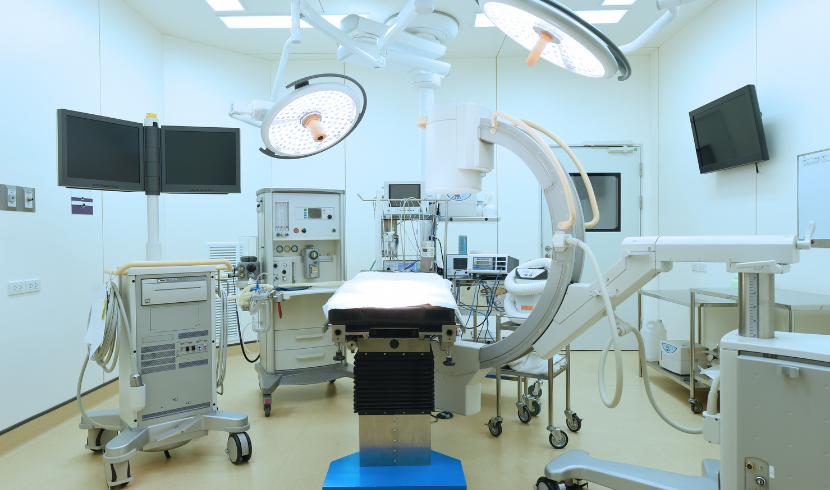
Angiography systems include advanced X-ray, CT, and MRI-based platforms designed to capture detailed images of vascular structures. Consumables such as catheters, balloons, guidewires, and contrast media enable precise navigation and intervention within blood vessels. Accessories like vascular closure devices support procedural safety by ensuring hemostasis after interventions.
Technological innovation is a key driver, with hybrid systems combining CT and MRI modalities to enhance imaging clarity. Moreover, the evolution of microcatheters and low-profile balloons allows access to smaller vessels, broadening treatment options for complex cases.
How Are Angiography Devices Used Across Medical Applications?
Angiography devices serve both diagnostic and therapeutic purposes, providing comprehensive support across cardiovascular, peripheral, and neurovascular interventions.
Diagnostic angiography includes traditional X-ray angiography, CT angiography, and magnetic resonance angiography (MRA). These techniques enable clinicians to identify stenosis, aneurysms, or other vascular abnormalities with minimal invasiveness. Therapeutic applications range from coronary angioplasty to peripheral artery interventions, where devices such as guidewires and balloons play pivotal roles in restoring blood flow.
Neurovascular angiography is increasingly important in stroke management. By visualizing cerebral arteries in real time, surgeons can perform targeted clot retrieval, significantly reducing the risk of permanent neurological damage. Similarly, peripheral angiography helps manage limb ischemia in diabetic or elderly patients, highlighting the devices’ cross-specialty relevance.
What Are the Key Market Drivers and Growth Factors?
The angiography devices market is expanding due to rising cardiovascular disease prevalence, aging populations, and demand for minimally invasive procedures.
Cardiovascular diseases remain the leading cause of mortality globally, driving continuous demand for accurate diagnostic and therapeutic tools. Patients increasingly prefer minimally invasive options due to lower risk, reduced hospitalization, and faster recovery. Additionally, healthcare infrastructure improvements in emerging regions are increasing accessibility to advanced angiography technologies.
Technological advancements further stimulate market growth. Innovations in 3D imaging, AI-assisted diagnostics, and hybrid angiography systems enhance procedural accuracy and safety. Moreover, integration with robotics and advanced navigation tools is expanding procedural capabilities, reinforcing market adoption.
How Does the Market Differ by Product and Indication?
The market is segmented by products such as angiography systems, balloons, catheters, contrast media, guidewires, vascular closure devices, and accessories. Each product addresses specific procedural requirements. For instance, catheters and guidewires facilitate vascular navigation, while contrast media enhance imaging clarity.
By indication, coronary applications dominate, reflecting the global burden of coronary artery disease. Cerebral, carotid, peripheral, and aortic applications also show notable growth. The rise of neurovascular interventions, especially in stroke management, has driven demand for dedicated cerebral and carotid angiography devices.
Integration of product functionality with indication-specific needs is a competitive differentiator. Companies investing in devices optimized for complex neurovascular or peripheral interventions are likely to capture a significant share of emerging market segments.
Which Regions Lead the Angiography Devices Market?
North America holds a leading position, driven by high healthcare expenditure, advanced medical infrastructure, and widespread adoption of innovative imaging devices. Europe follows closely, with strong cardiovascular intervention programs and well-established reimbursement frameworks.
Asia-Pacific is experiencing rapid growth due to rising cardiovascular disease prevalence, expanding hospital networks, and increasing adoption of minimally invasive procedures. Countries like India, China, and Japan are emerging as key contributors, supported by favorable government initiatives and rising healthcare awareness.
In contrast, Latin America and the Middle East & Africa exhibit moderate growth, primarily constrained by healthcare affordability and infrastructure gaps. However, strategic partnerships, device localization, and rising awareness of cardiovascular health are expected to fuel gradual expansion in these regions.
What Are the Competitive Dynamics in the Market?
The angiography devices market is highly competitive, characterized by multinational corporations offering diverse product portfolios. Companies like Siemens AG, Canon Medical Systems, Medtronic, Philips, Boston Scientific, and Johnson & Johnson dominate through continuous innovation and strategic acquisitions.
Key strategies include product diversification, investment in R&D, and collaborations with healthcare providers to enhance clinical outcomes. For instance, companies are increasingly integrating AI-driven imaging and robotic-assisted intervention capabilities into angiography systems, strengthening their market positions.
Smaller players differentiate by focusing on specialized consumables such as microcatheters, advanced guidewires, or novel contrast media formulations, catering to niche clinical needs. Overall, innovation and clinical performance remain the most critical factors shaping competitive advantage.
What Challenges Does the Market Face?
Despite growth, the angiography devices market encounters challenges such as high device costs, stringent regulatory requirements, and procedure-related risks.
Advanced systems require significant capital investment, which may limit adoption in smaller hospitals or low-income regions. Regulatory approval processes vary globally, potentially delaying product launches and market entry. Additionally, procedural complications, although rare, necessitate continuous clinician training and device improvements.
Mitigating these challenges involves developing cost-effective solutions, streamlining regulatory pathways, and enhancing device safety through technological innovations such as lower contrast doses, radiation-reducing imaging, and ergonomic designs.
Conclusion: What Does the Future Hold for the Angiography Devices Market?
The angiography devices market is poised for sustained growth, driven by technological innovation, rising cardiovascular disease prevalence, and demand for minimally invasive procedures. Advances in hybrid imaging, AI-assisted diagnostics, and microcatheter technology are expected to redefine procedural precision and safety.
Emerging markets, particularly in Asia-Pacific, present significant growth opportunities, while established markets in North America and Europe continue to drive innovation and adoption. Companies focusing on clinical efficacy, cost efficiency, and regulatory compliance will likely secure long-term market leadership. Overall, angiography devices are set to remain indispensable in modern healthcare, offering transformative benefits across diagnostics and therapeutics.
Find More Reports
Osteoarthritis Therapeutics Market
About Us:
Expert Market Research is a leading market research firm delivering data-driven insights to the pharmaceutical, biotechnology, and medical device industries. Our comprehensive research solutions include market research reports, providing in-depth analysis of industry trends and competitive landscapes; drug pipeline reports, tracking drug development progress, clinical trials, and regulatory approvals; epidemiology reports, offering detailed disease prevalence and patient population studies; and patent reports, assessing intellectual property landscapes and innovation trends, among others.
Leveraging proprietary data, advanced analytics, and expert methodologies, we help businesses navigate complex markets, optimize strategies, and drive innovation. We empower clients with actionable intelligence, enabling them to make informed decisions and stay ahead in the rapidly evolving healthcare sector.
Media Contact:
Company Name: Claight Corporation
Contact Person: Roshan Kumar, Digital Marketing
Email: sales@expertmarketresearch.com
Toll-Free Number: US +1-415-325-5166 | UK +44-702-402-5790
Address: 30 North Gould Street, Sheridan, WY 82801, USA
Website: www.expertmarketresearch.com