

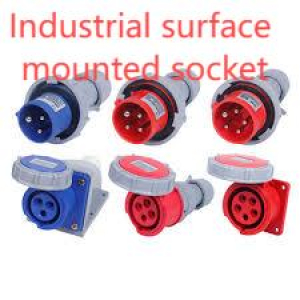
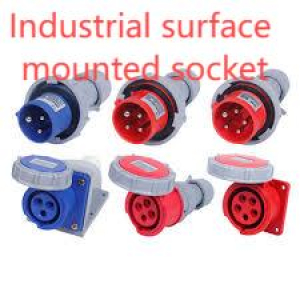


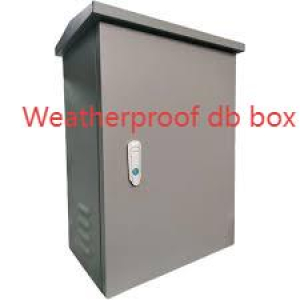

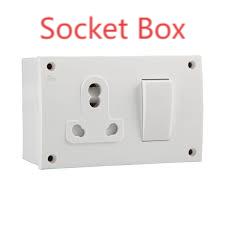
On busy sites, planners frequently locate a Socket Box at convenient mid-run points to shorten cable runs and reduce trip hazards while keeping service access obvious and safe, and facilities teams value a Socket Box that pairs durable sealing with simple module swaps so repairs are fast and predictable. Choosing the right enclosure early — one that balances environmental protection, mechanical strength, and ease-of-service — prevents recurring failures and reduces total lifecycle cost for both temporary and permanent installations.
Understand the site: micro-environments and placement logic
A successful deployment begins with a short, practical survey. Identify micro-environments: splash zones from irrigation, direct sun exposure, chemical spray areas, high foot-traffic corridors, and locations subject to impact from equipment. Mounting height matters — place units at an ergonomic level to avoid ladders and to speed visual inspections. Where possible, avoid low-lying runoff or depression areas and position entries so water naturally drips away from lid seals. Document these choices in the as-built record to guide future maintenance.
Materials, sealing systems, and finish choices
Not all enclosures age the same. UV-stable polymers maintain flexibility and color outdoors, while stainless steel and powder-coated aluminum provide superior impact resistance in high-traffic or coastal locations. Gasket chemistry must match cleaning agents and expected temperature ranges — silicone holds elasticity in cold climates, EPDM performs well against many detergents. Lid recesses, raised seal channels, and captive fasteners reduce seal wear from repeated openings. Select finishes and fasteners that prevent galvanic corrosion to keep electrical contacts reliable over time.
Nante modular integration for quick field swaps
Modular interiors greatly reduce downtime. Enclosures that accept removable mounting plates, DIN-rail subframes, and swappable inserts let technicians replace a single module — a switch, a surge protector, or a metering board — without disturbing adjacent circuits. A standardized accessory ecosystem (glands, gaskets, spare plates) allows teams to carry compact kits that solve most common failures on the first visit. Require vendors to publish compatibility matrices so replacements remain consistent across product lifecycle revisions.
Installation discipline: wiring, strain relief, and grounding
Many long-term faults begin at the terminals. Prepare conductors correctly, use ferrules where required, and tighten terminals to specified torque values. Route cables using strain-relief clamps to prevent flex at connection points and separate power from low-voltage or signal runs to reduce interference and simplify troubleshooting. Implement robust grounding and bonding for metal enclosures and include surge protection where overhead lines or exposed feeders increase transient risk. Simple practices at install time save hours of diagnostic work later.
Thermal and moisture control: active and passive strategies
Even sealed boxes can trap heat or collect condensation. Arrange heat-dissipating devices away from sensitive electronics and use thermally conductive mounting plates when necessary. For condensation-prone environments, filtered breathers, desiccant packs, or low-wattage thermostatic heaters help manage moisture while preserving IP ratings. If ventilation is needed, use filtered vents that retain ingress protection. For high-current applications, oversize conductors and busbars to limit temperature rise and extend component life.
Security, accessibility, and public-space considerations
Public installations must balance accessibility with protections. Lockable lids, tamper-resistant fasteners, and recessed anchors deter vandalism and theft; recessed status indicators and clear external labeling let authorized staff perform quick visual checks without opening the box. For hospitality or residential sites, choose low-gloss finishes that blend aesthetically while preserving rugged functionality. When theft or tamper risk is high, consider concealed mounting and integrated alarm contacts that notify maintenance teams if covers are forced.
Inspection routines and spare-part planning
Create short, repeatable checklists: verify gasket compression, confirm gland torque values, inspect for corrosion or physical damage, and measure contact resistance on critical circuits. Schedule inspections after severe weather and maintain a compact site kit — spare gaskets, common module inserts, and cable glands — to enable single-visit fixes. Track repairs and part lifetimes in a simple log to forecast replacements and negotiate better long-term purchasing terms with suppliers.
Future-proofing: space for upgrades and remote monitoring
Reserve internal space and standardized mounting points for likely upgrades: surge protection, metering, or IoT sensors that report temperature, humidity, or lid-open events. Adding modest monitoring converts passive enclosures into proactive assets that alert teams to failing seals or thermal excursions before they cause outages. Standardized footprints and interoperability across product families simplify field retrofits and reduce the need for complete enclosure replacement.
A well-specified Socket Box that matches materials to environment, enforces disciplined installation practices, and embraces modular spares and simple monitoring will remain reliable year after year. Thoughtful planning and a compact spare strategy reduce emergency calls and lower total cost of ownership. For detailed product specifications, accessory lists, and installation guides, visit www.nante.com