


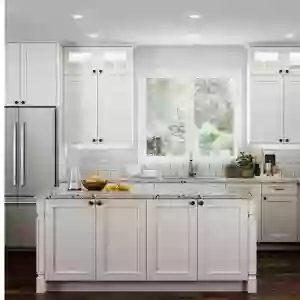
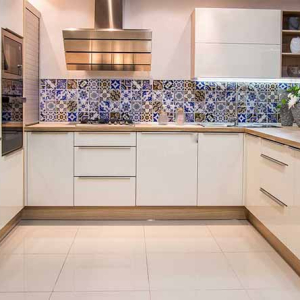

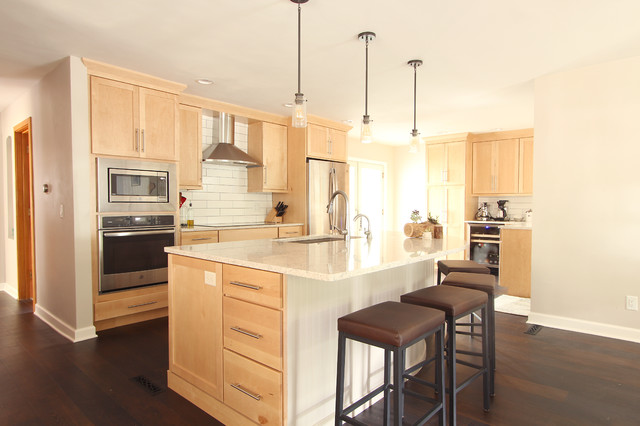
There's something about a classic kitchen that just feels right. It doesn't chase trends. It doesn't feel cold or overdone. It feels like home, warm, welcoming, and built to last.
Maple cabinets paired with light stone countertops are one of those combinations that never goes out of style. Homeowners in Milwaukee have been choosing this look for decades. And honestly, it's easy to see why.
The warmth of maple wood balances beautifully with the cool, clean surface of light stone. Together, they create a kitchen that feels both polished and lived-in. Not too formal. Not too casual. Just right.
If you're planning a kitchen remodel, getting the right help matters. Working with experienced kitchen and countertops contractors in your area makes the whole process smoother. They know local suppliers, they understand what works in Milwaukee homes, and they can help you avoid costly mistakes before they happen.
Good contractors also help you think through things you might not consider on your own like how your flooring will interact with your cabinet finish, or whether your kitchen gets enough natural light to pull off a certain stone tone. That kind of hands-on local knowledge is genuinely valuable.
II. Understanding Maple Cabinets
Maple is one of the most popular cabinet woods for good reason. It's hard, it's stable, and it holds paint and stain incredibly well.
The grain is fine and consistent. That makes it smooth to the touch and easy to finish. You won't get wild swirls or knots the way you might with oak or hickory.
In terms of color, raw maple runs from creamy white to a warm honey tone. That natural warmth is exactly what makes it such a good partner for light stone surfaces.
A few practical tips on maple finishes:
- A natural or light stain lets the wood breathe and stay warm without looking too yellow.
- White-painted maple keeps things bright and fresh great for smaller Milwaukee kitchens that need more light.
- Glazed or slightly antiqued finishes add depth without making the space feel dark.
For door styles, raised panel and Shaker doors are the most popular choices. Raised panel leans more traditional. Shaker sits right at that sweet spot between classic and clean. Either works beautifully with light stone tops.
III. Choosing the Right Light Stone Countertops
Not all light stone is the same. The material you choose affects how your kitchen looks, how it cleans, and how long it lasts.
Here's a quick breakdown of the most common options:
Granite is incredibly durable. Light granite options think colonial cream or bianco romano have gentle movement in the stone that pairs well with maple's grain. It needs sealing once a year, but it handles heat and scratches well.
Marble looks stunning. The soft veining on white or cream marble makes any kitchen feel elevated. The honest downside? It's softer and more prone to etching. If you cook a lot, it demands more maintenance.
Quartz is engineered stone, but that's not a bad thing. It's non-porous, low-maintenance, and comes in dozens of light tones and subtle patterns. Homeowners who want a clean, consistent look often land here.
This is actually where maple cabinets with quartz countertops shine as a combination. Quartz gives you the light, airy look of natural stone without the worry. And because it doesn't need sealing, the maintenance is minimal. For busy Milwaukee families, that's a real selling point.
Limestone and travertine are softer, more rustic options. They work beautifully in certain styles but need more care. They're worth exploring if you want a warmer, more organic feel in the kitchen.
IV. Classic Color Palettes and Combinations
Color is where a lot of people second-guess themselves. Keep it simple.
Warm neutral palette: Honey-toned maple with cream or ivory stone. This combo feels rich without being heavy. Add warm white walls and you've got a kitchen that glows.
Cool contrast look: White-painted maple with gray-veined quartz or marble. Crisp, clean, and timeless. This works especially well in open-concept Milwaukee homes where the kitchen flows into a living area.
Two-tone approach: Use a darker stain on the lower cabinets and lighter uppers. The stone countertop bridges the two tones naturally. It adds visual interest without chaos.
For walls, stick to soft whites, warm creams, or muted greens. Sage green walls with maple cabinets and light stone tops is a combination that photographs beautifully and looks even better in person.
V. Hardware and Fixtures
Hardware is the jewelry of a kitchen. It's small, but it matters.
For classic maple kitchens, these finishes work best:
- Brushed nickel — clean, versatile, pairs with almost any stone
- Oil-rubbed bronze — adds warmth and vintage character
- Antique brass — trending right now, and it looks gorgeous against cream-toned stone
Cup pulls and bin pulls are the most classic hardware shapes. For a more traditional Milwaukee kitchen, porcelain knobs add a nice touch. They're subtle but they elevate the whole cabinet line.
For sinks, a farmhouse apron-front sink in white or fireclay is the gold standard for this style. Pair it with a bridge faucet in brushed nickel or unlacquered brass, and the look is complete.
VI. Flooring That Works With This Look
The floor ties everything together. Get this wrong and even beautiful cabinets and stone can feel off.
Hardwood flooring is the most natural pairing for maple cabinets. Medium-toned oak floors — not too dark, not too light create just enough contrast to keep things interesting. In Milwaukee, where hardwood is common in older homes, refinishing existing floors to complement new maple cabinets is often the most cost-effective move.
Tile works well too. Large-format white or cream tile feels seamless and easy to clean. For something with more character, hexagon tile in soft gray or terracotta adds a classic vintage feel without overwhelming the space.
One thing to avoid: matching the floor too closely to the cabinet color. If both are the same honey tone, the room loses definition. You want contrast, even subtle contrast to give the eye somewhere to rest.
VII. Lighting for the Classic Kitchen Look
Lighting can make or break a kitchen. Too dim and the stone looks flat. Too harsh and the wood looks orange.
Under-cabinet lighting is one of the most practical investments you can make. It illuminates the countertop work surface and shows off the stone's texture and veining. LED strip lights in a warm white (around 2700K–3000K) are the go-to choice.
Pendant lights over an island or peninsula anchor the space visually. Choose something with a classic silhouette lantern shapes, simple drum shades, or exposed-bulb industrial pendants all work well with this aesthetic.
For the main ceiling, recessed lighting gives you even coverage without drawing attention away from the cabinets and stone. If your Milwaukee home has good bones original plaster ceilings, crown molding a flush-mount fixture with vintage character can add a lot.
Avoid cool blue-white bulbs. They make maple look greenish and stone look cold. Warm white bulbs protect the warmth that makes this look work.
VIII. Backsplash Ideas That Pull the Room Together
The backsplash is a small surface, but it does heavy lifting visually.
White subway tile is the safe, smart choice. Three-inch by six-inch tiles in a brick pattern with white or light gray grout keeps things classic and clean. It works with any version of the maple-and-stone combination.
Stone slab backsplash running the same material as your countertop up the wall creates a seamless, high-end look. It's especially stunning with marble or veined quartz. Milwaukee kitchen designers often recommend this approach for open kitchens where the backsplash is highly visible.
Mosaic tile adds personality. A small mosaic band above the range, or a full mosaic backsplash behind the sink, can introduce subtle color without competing with the cabinets or stone.
Grout color matters more than most people realize. Light grout keeps things airy. Dark grout defines each tile more sharply. For a classic look, match grout to the lighter tones in your stone.
IX. Design Tips and Mistakes to Avoid
A few things that separate a good outcome from a great one:
Watch the undertones. Maple can lean orange or yellow depending on the stain. If your stone has cool gray veining, that orange undertone will fight it. Ask your contractor to show you the cabinet sample next to your stone sample in natural light before committing.
Don't over-match. Everything being the same tone creates a flat, lifeless kitchen. You need some contrast cabinet to floor, stone to cabinet, hardware to fixture. It doesn't have to be dramatic. Even subtle variation adds life.
Be intentional with metals. Mixing metals is fine, but do it on purpose. Brushed nickel fixtures and antique brass hardware can coexist beautifully if they're balanced. What doesn't work is accidentally having four different metal finishes with no logic behind it.
Think about longevity. Trendy colors and finishes come and go. Maple with light stone has been relevant for over 30 years. If you're renovating a Milwaukee home you plan to sell eventually, this combination tends to photograph well and appeal to a wide range of buyers.
X. Conclusion
Maple cabinets with light stone countertops is one of those kitchen combinations that earns its place by being genuinely good not just fashionable.
It's warm without being heavy. Classic without being boring. And it works in Milwaukee ranch homes, updated bungalows, and modern open-concept builds alike.
The key is in the details: the right stone for your lifestyle, hardware that suits your personality, lighting that flatters the materials, and a contractor who knows the work. Get those right and the kitchen takes care of itself.
If you're ready to start planning, connect with a local professional who can walk you through material samples in your actual space. What looks great on a screen should look even better in your kitchen.