

Choosing between a rotary hammer and an impact drill can be confusing because both tools look similar and are used for drilling. However, their working style, power, and purpose are quite different. Understanding these differences helps you choose the right tool for your needs.
Working Mechanism
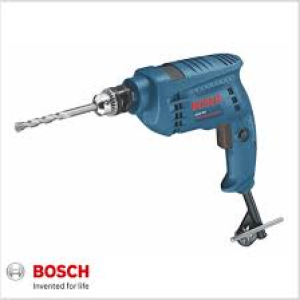
An impact drill, also known as a hammer drill, works by combining rotation with rapid forward and backward tapping motions. These small vibrations help the drill bit break into hard surfaces. However, the impact force is relatively light.
A rotary hammer uses a completely different system. It has a piston mechanism that creates strong, powerful blows directly to the drill bit. This makes it much more effective for heavy-duty tasks.
Power and Performance
Impact drills are designed for speed. They rotate quickly and deliver many small impacts, but each hit is not very strong. This means you often need to apply pressure while drilling into concrete or masonry.
Rotary hammers are built for power. They deliver fewer blows, but each one is much stronger. This allows them to drill through tough materials like concrete and stone with less effort.
Ease of Use
Impact drills require physical effort. You need to push the tool against the surface to get good results, which can be tiring during long tasks.
Rotary hammers are easier to handle for heavy work. The tool does most of the job itself, so you only need to guide it. This reduces fatigue and improves efficiency.
Applications
Impact drills are versatile tools. They can be used for drilling in wood, metal, plastic, and light masonry. This makes them a good choice for general home use and DIY projects.
Rotary hammers are specialized tools. They are mainly used for drilling into concrete, brick, and stone. Many models also support chiseling, making them useful for breaking tiles or walls.
Versatility vs Specialization
Impact drills offer more flexibility because they can function as both a regular drill and a hammer drill. This makes them suitable for a wide range of tasks.
Rotary hammers are more focused on heavy-duty work. They are not ideal for delicate materials or small jobs, but they excel in construction and renovation tasks.
Speed and Efficiency
Impact drills have higher speed, which works well for lighter materials. However, when it comes to hard surfaces, they can be slower because of limited impact strength.
Rotary hammers may operate at lower speeds, but they complete tough jobs faster due to their powerful impact mechanism.
Weight and Design
Impact drills are lightweight and compact, making them easy to carry and use in tight spaces.
Rotary hammers are heavier and bulkier due to their internal components. However, this added weight contributes to their strength and durability.
Cost Difference
Impact drills are generally more affordable and suitable for occasional use.
Rotary hammers are more expensive but offer better performance for professionals or anyone dealing with heavy construction work regularly.
Final Decision
If you need a tool for everyday tasks like drilling in wood, metal, or light walls, an impact drill is a practical choice. It is versatile, easy to use, and budget-friendly.
If your work involves concrete, stone, or demolition, a rotary hammer is the better option. It saves time, reduces effort, and delivers powerful results.
In simple terms, an impact drill is a multi-purpose tool for light to medium work, while a rotary hammer is a powerful machine designed for heavy-duty jobs. Choosing the right one depends on how and where you plan to use it.