
How to Identify an Unknown Collectible
Learn how to identify an unknown collectible. AI identification, visual research, community resources, and when to consult an expert.
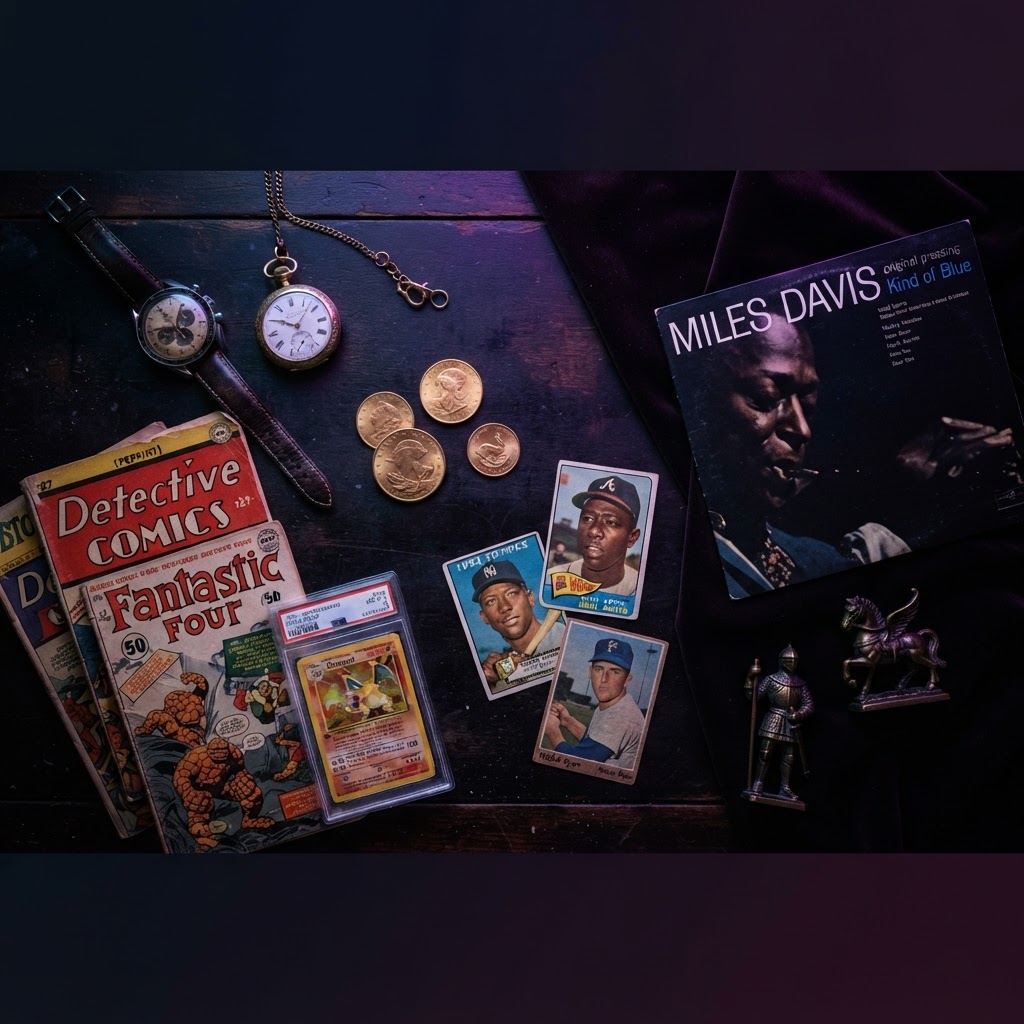
Found something at a flea market, inherited a collection, or just do not know what you have? This guide covers the methods for identifying an unknown collectible, from AI-powered tools to traditional research.
Method 1: AI Identification
The fastest method is AI identification. Upload a photograph to MPC and the AI will analyze the image to identify the item — the category, the specific model or set, detected identifiers (barcodes, serial numbers, ISBNs), and an assessment of condition. The AI provides a confidence level so you know how reliable the identification is. You can confirm or edit any field before saving.
Method 2: Visual Research
If AI identification is not conclusive, use visual research. Search Google Images for similar items. Look for identifying marks, logos, signatures, or labels. Check the back, bottom, or inside of the item for manufacturer marks, serial numbers, or date codes. Use reverse image search to find similar items online.
Method 3: Reference Books and Price Guides
For established categories, reference books and price guides are invaluable. The Overstreet Comic Book Price Guide, the Scott Catalogue for stamps, the Standard Catalog of World Coins — these references provide detailed identification information. Many are available at libraries or online.
Method 4: Online Communities
Online communities — Reddit (r/whatisthisthing, r/collectibles), Facebook groups, specialized forums — can help identify obscure items. Post clear photos from multiple angles and any marks or labels. Collectors and experts in these communities are often happy to help.
Method 5: Professional Appraisers and Dealers
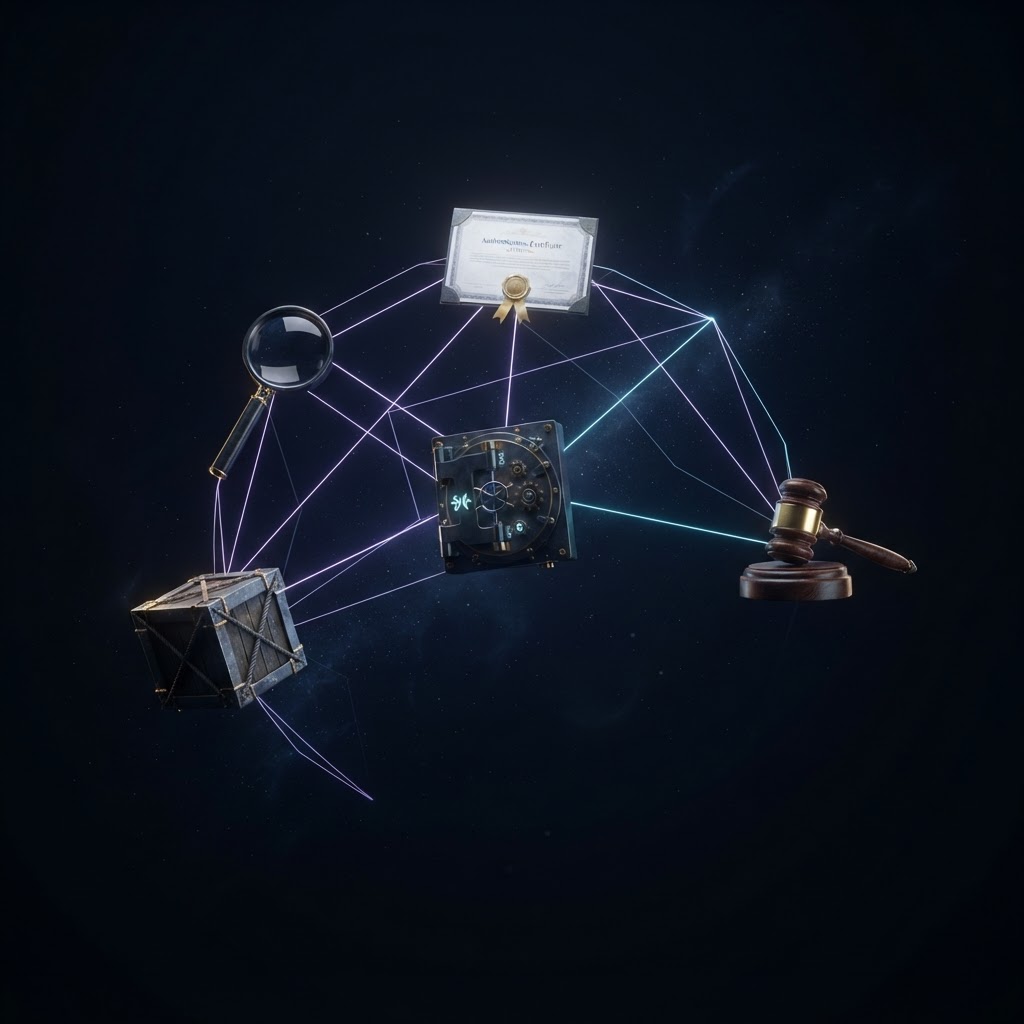
For valuable or specialized items, consult a professional appraiser or dealer. They have the expertise to identify and authenticate items, and can provide formal documentation. Look for appraisers affiliated with professional organizations (ISA, ASA, Appraisers Association of America).
What to Look For When Identifying
- •Marks and labels — manufacturer marks, hallmarks, signatures, stamps
- •Serial numbers and date codes — for watches, luxury goods, electronics
- •Barcodes and ISBNs — for books, comics, packaged items
- •Material and construction — can indicate era and origin
- •Style and design — can identify the period, maker, or movement
- •Provenance — any documentation that came with the item
How to Use Reverse Image Search Effectively
Reverse image search has revolutionized the ability of collectors to identify mysterious items, yet many users fail to achieve results because they do not prepare their source images properly. To leverage these tools effectively, you must capture high-resolution photos against a neutral background with soft, even lighting to eliminate glare and distorted shadows. Crop the images tightly to focus on unique identifying features, such as intricate carvings, distinct patinas, or manufacturing signatures, rather than the object as a whole. Uploading these specific detail shots into professional-grade search engines often yields links to auction house databases, museum archives, and collector forums where similar items have been previously cataloged. Remember that the quality of your input directly dictates the relevance of the search output, so spending extra time on photography will significantly reduce the time you spend navigating through unrelated or incorrect search results.
Tools for Reverse Image Searching
- •Use Google Lens for broad, modern-era matches
- •Use Bing Visual Search for pattern-based recognition
- •Use specialized AI tools trained on antique databases
- •Reverse search on Pinterest to find interior design context
- •Check auction archives for items with similar descriptors
- •Utilize browser-based plugins for multi-engine comparisons
Frequently Asked Questions
Can AI identify any collectible?
AI identification works best for common categories with good visual data — trading cards, coins, watches, comics, and similar items. For very obscure or specialized items, the AI may provide a general category rather than a specific identification.
What if AI identification is wrong?
Every AI identification includes a confidence level. You can always edit and correct any field before saving. The AI is a starting point, not a final answer. Use other methods to confirm.
When should I consult an expert?
For valuable items, items requiring authentication, or items you cannot identify through other methods, consult a professional appraiser or dealer. The cost is often worth it for items of significant value.
Join thousands of collectors using My Premium Collection to catalogue, value, and preserve their collectibles — privately and securely.
Identify Your Collectibles — FreeRelated Guides
How AI Can Help Identify Collectibles
Learn how AI can help identify collectibles from photographs. Computer vision, identifier detection, condition assessment, and how it works.
Learn moreHow to Photograph Collectibles for Identification
Learn how to photograph collectibles for AI identification and cataloguing. Lighting, angles, resolution, and best practices for each collectible type.
Learn moreHow to Determine the Condition of a Collectible
Learn how to determine the condition of a collectible. Standard grading scales, condition factors, and how AI can assess condition from photos.
Learn moreHow to Value a Collection
Learn how to value a collection. AI valuation, market comparables, professional appraisal, and how to track collection value over time.
Learn more